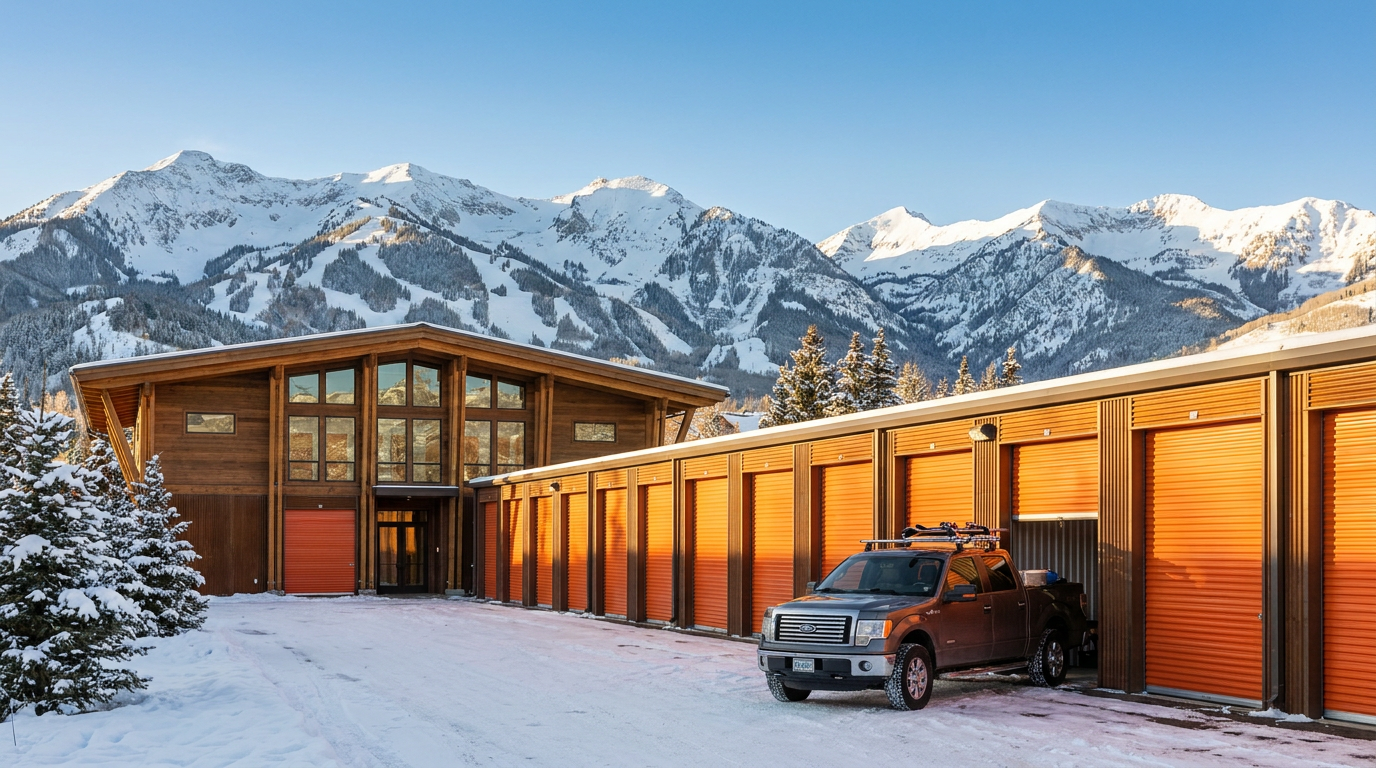
Storage for Seasonal Homeowners in Snowmass and Aspen Valley |
| STORAGE FOR SEASONAL HOMEOWNERS IN SNOWMASS AND ASPEN VALLEY
⏱ 11 min read ·
📄 #2,018 words
Seasonal homeowners in Snowmass and Aspen Valley need secure storage for ski gear, furniture, and vehicles. Learn unit sizes, costs, and local options.
|
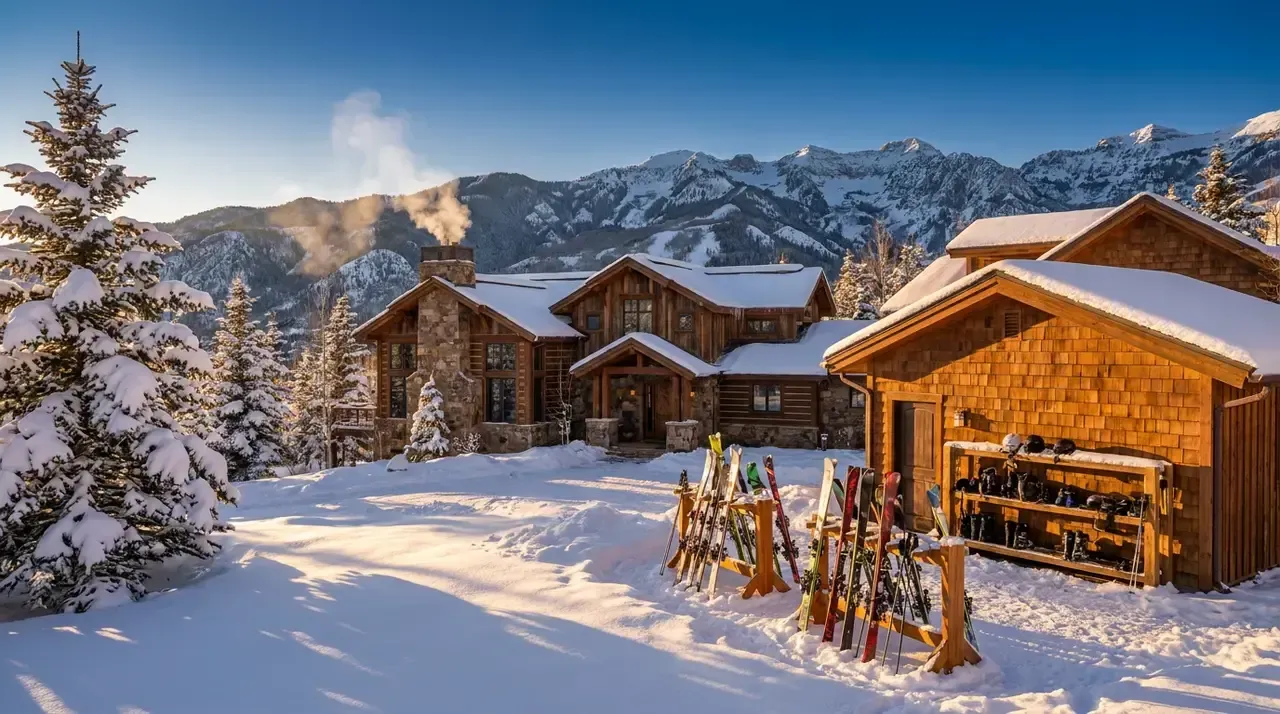
S easonal homeowners in Snowmass and Aspen Valley typically need 50 to 200 square feet of storage space, costing between $135 and $925 per month depending on unit size and features. The most common solution combines a 10x15 interior unit for household items with outdoor parking for vehicles, providing year-round protection while you are away from your mountain property.
| Key Points: | |
|---|---|
| • | Seasonal homeowners save 15 to 30 percent by storing items in Old Snowmass rather than downtown Aspen facilities |
| • | A 6x15 unit ($495/month) fits ski equipment, patio furniture, and seasonal decor for a typical 2-bedroom condo |
| • | Vehicle and RV parking spaces range from $275 to $355 monthly with 24/7 access |
| • | Month-to-month leases with no deposit required allow flexibility for unpredictable travel schedules |
| • | Interior units with power outlets enable battery maintenance for stored vehicles and equipment |
Why Seasonal Homeowners in the Roaring Fork Valley Need Storage
The Aspen and Snowmass real estate market includes approximately 4,200 second homes, according to Pitkin County Assessor records. Many of these properties sit vacant for 6 to 9 months annually while owners return to primary residences in Texas, California, Florida, and the East Coast. This creates unique storage challenges that differ from typical residential needs.
Seasonal residents face three primary storage scenarios. First, protecting valuable ski and outdoor gear during off-season months when homes may be rented or left unoccupied. Second, storing furniture and decor during renovation projects, which the Town of Snowmass Village reports increased 34 percent between 2023 and 2025. Third, keeping vehicles secure during extended absences rather than paying for long-term airport parking at Aspen-Pitkin County Airport (ASE).
Local property managers estimate that seasonal homeowners spend $3,000 to $8,000 annually on storage-related expenses. Strategic facility selection can reduce these costs significantly while providing better security and accessibility than garage storage at a vacant property.
Storage Unit Sizes for Seasonal Home Contents
Choosing the correct unit size prevents overpaying for unused space while ensuring everything fits properly. The storage unit size guide breaks down every option from compact lockers to large drive-up units.
| Property Type | Recommended Unit | Monthly Cost | Typical Contents |
|---|---|---|---|
| Studio or 1-bedroom condo | 6x5 Sky Locker | $135 | Ski gear, boots, seasonal clothing |
| 2-bedroom condo | 6x15 Interior | $495 | Furniture, decor, multiple sets of gear |
| 3-bedroom townhome | 12x11 Interior | $695 | Full room contents, outdoor furniture, bikes |
| 4+ bedroom home | 12x15 Interior | $925 | Multiple rooms, large furniture, equipment |
| Home with vehicle storage | 12x22 Drive-Up | $1,350 | Car plus household items, lighting and power |
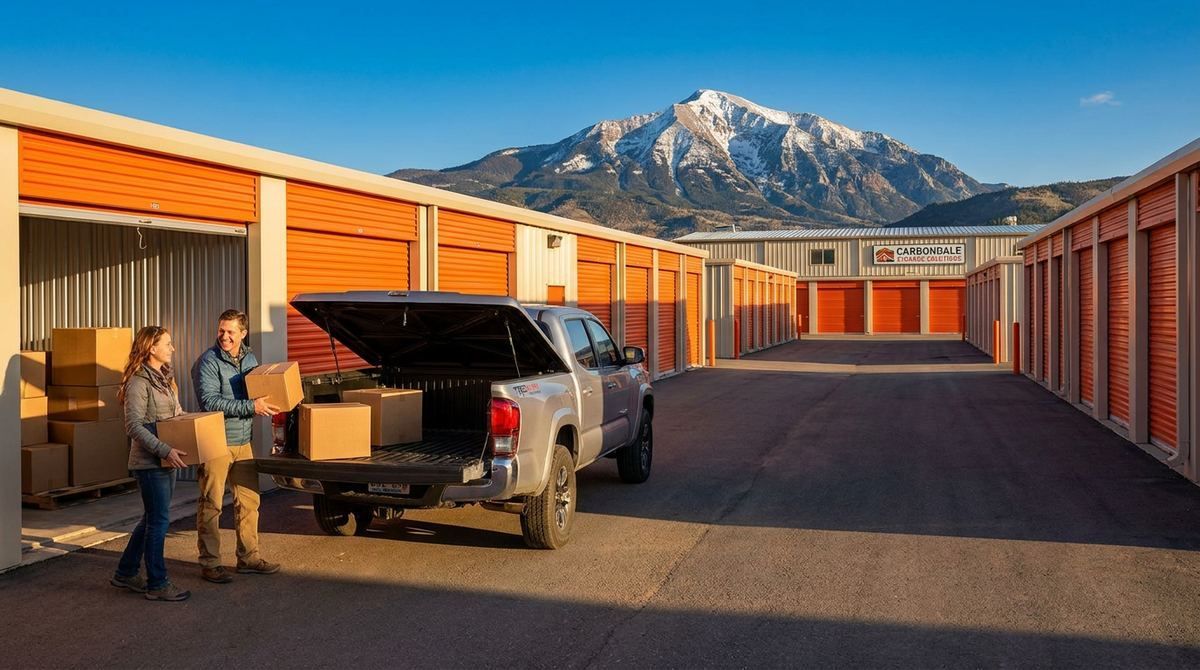
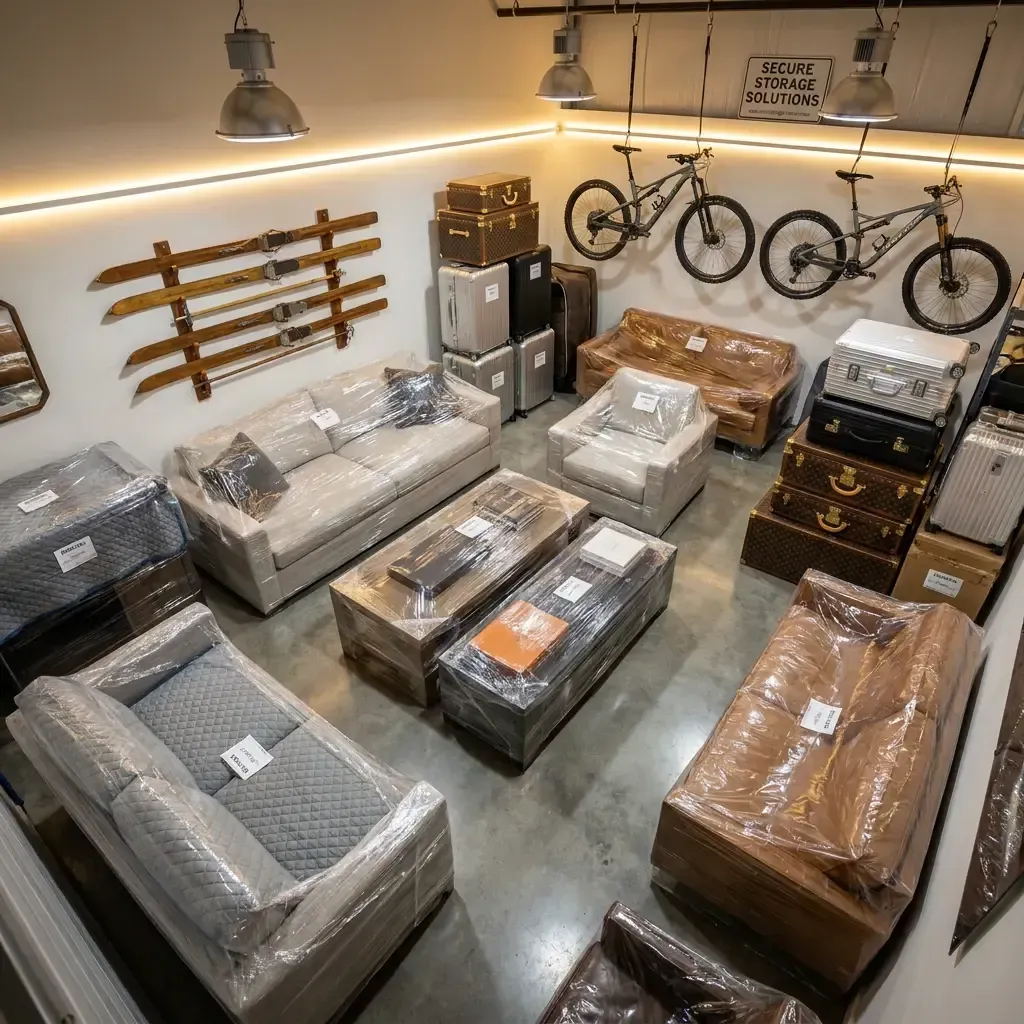
Interior units at Snowmass Self Storage include built-in lighting and power outlets. This feature allows seasonal homeowners to connect battery maintainers for stored vehicles, keep dehumidifiers running, or power motion-activated lights for added security. Competitors in Basalt and Carbondale rarely offer in-unit electrical access.
Vehicle and RV Storage Options for Extended Absences
According to the Specialty Equipment Market Association (SEMA), the average second-home owner in mountain resort communities maintains 1.7 vehicles at their seasonal property. Storing these vehicles during 6 to 9 month absences protects them from harsh winter conditions, reduces insurance costs, and prevents theft or vandalism at unoccupied homes.
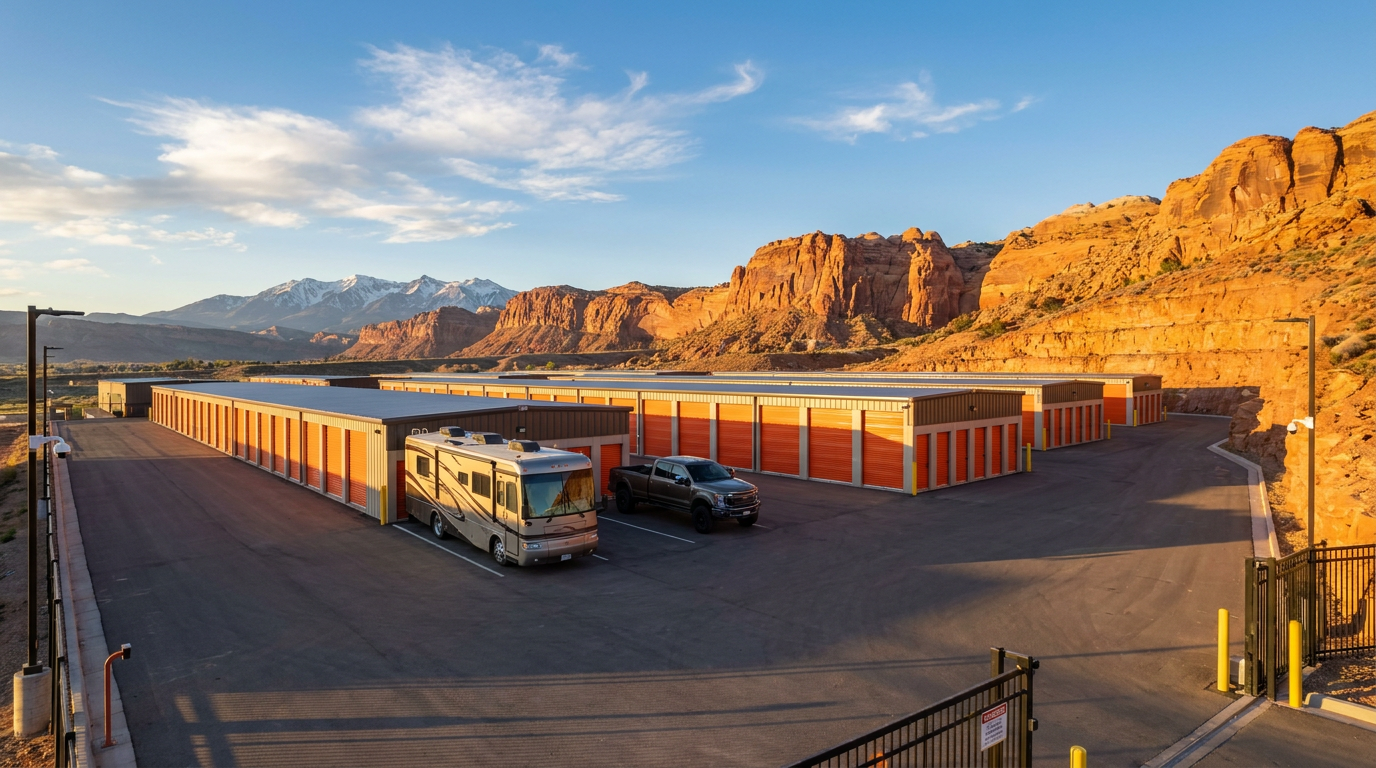
Open parking spaces accommodate most vehicles and small recreational trailers. A 10x20 space ($275/month) fits standard sedans, SUVs, and crossovers. Larger 12x43 spaces ($355/month) accommodate full-size trucks with trailers, boats up to 24 feet, or Class B camper vans. All parking areas feature paved surfaces and 24/7 access via individual gate codes.
For enclosed vehicle storage, the 12x22 drive-up unit provides protection from UV exposure, hail damage, and temperature extremes. The 19x35 premium drive-up unit ($2,500/month) includes a motorized door and can store multiple vehicles, making it ideal for homeowners with classic cars or motorcycle collections requiring climate protection.
Cost Comparison: Aspen vs. Mid-Valley Storage Facilities
Storage facilities in downtown Aspen charge premium rates due to limited real estate and high operating costs. The affordable Aspen storage guide details how mid-valley locations offer identical security features at significantly lower prices.
| Unit Type | Downtown Aspen Range | Old Snowmass (Hwy 82) | Annual Savings |
|---|---|---|---|
| 5x5 Locker | $175 to $225 | $135 | $480 to $1,080 |
| 10x10 Interior | $450 to $550 | $375 | $900 to $2,100 |
| 10x15 Interior | $600 to $750 | $495 | $1,260 to $3,060 |
| Vehicle Parking | $350 to $450 | $275 | $900 to $2,100 |
The 10-minute drive from Aspen-Pitkin County Airport to the Highway 82 location in Old Snowmass adds minimal inconvenience while generating substantial savings. Seasonal homeowners flying into ASE can stop at the facility immediately upon arrival or before departure, with the Old Snowmass Conoco gas station adjacent for fuel and supplies.
Security Features That Protect Seasonal Property
Vacant second homes and their contents represent attractive targets for property crime. The FBI Uniform Crime Report indicates that burglary rates increase 23 percent in resort communities during shoulder seasons when occupancy drops. Off-site storage provides an additional security layer beyond home alarm systems.
Essential security features for seasonal storage include digital video surveillance covering all access points and drive aisles, LED lighting throughout the facility for 24-hour visibility, individual access codes that log entry and exit times, and perimeter fencing with controlled gate access. These features create accountability and deterrence that vacant home garages cannot match.
The tenant protection plans available through SafeLease provide additional coverage for stored belongings. Plans cover burglary, fire, water damage, and other perils, with coverage levels from $2,000 to $15,000 depending on the value of stored items. This supplemental protection costs $10 to $30 monthly and fills gaps in homeowner insurance policies that may exclude off-site storage.
What Seasonal Homeowners Typically Store
Storage needs vary based on how owners use their Snowmass or Aspen property. Winter-focused owners store summer items like patio furniture, bicycles, paddleboards, and golf equipment. Summer-focused owners store ski equipment, winter clothing, snow removal tools, and holiday decorations.
High-value items requiring secure storage:
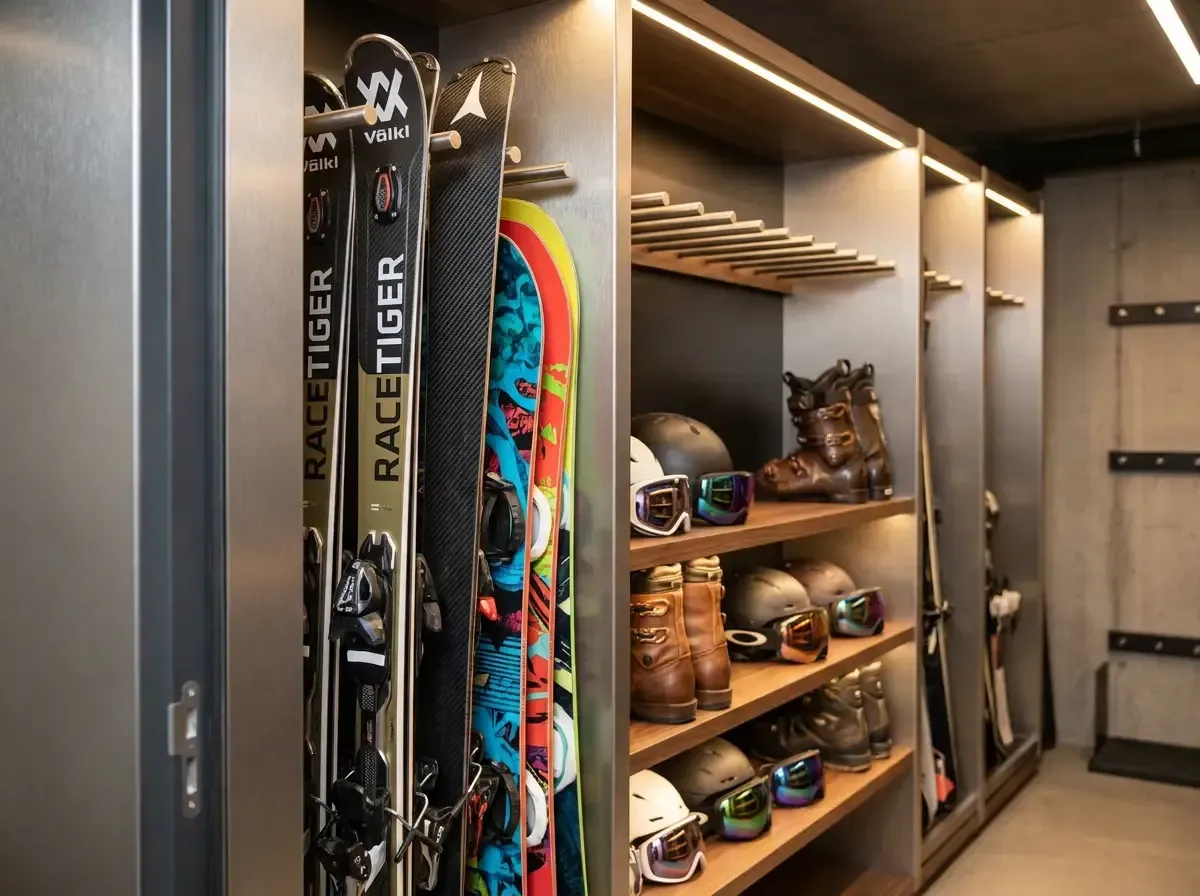
- Ski and snowboard equipment (average replacement value $2,500 to $8,000 per family)
- Mountain bikes and e-bikes ($3,000 to $12,000 each)
- Outdoor furniture sets ($2,000 to $15,000)
- Art and collectibles during renovation projects
- Wine collections requiring temperature stability
- Seasonal vehicles including motorcycles, ATVs, and snowmobiles
Bulk items that free up home space:
- Holiday decorations and seasonal linens
- Extra bedding and towels for guest seasons
- Archived documents and records
- Rarely used kitchen equipment and entertaining supplies
- Luggage and travel gear
Month-to-Month Flexibility for Unpredictable Schedules
Seasonal homeowners rarely follow predictable schedules. Business obligations, family events, weather conditions, and travel restrictions can extend or shorten planned stays with little notice. Storage facilities requiring 6 or 12-month commitments create financial risk when plans change.
Month-to-month leases with no deposit provide maximum flexibility. Owners can rent a unit in October, store winter gear through May, and cancel without penalty when they return for summer. This arrangement also accommodates unexpected situations like selling a property, extended renovation timelines, or family emergencies requiring early departure.
The ability to reserve a storage unit online in 60 seconds with instant move-in access means seasonal homeowners can secure space from anywhere. No need to coordinate with facility staff during business hours or wait for paperwork processing. This convenience proves especially valuable when travel schedules shift unexpectedly.
Protecting Stored Items from Mountain Climate Conditions
The Roaring Fork Valley experiences temperature swings from minus 20 degrees Fahrenheit in winter to over 90 degrees in summer. According to National Weather Service data for the Aspen area, these extremes can damage temperature-sensitive items stored in unprotected spaces.
Interior storage units provide significant protection compared to outdoor parking or home garages. Concrete construction moderates temperature swings, keeping interior spaces 15 to 25 degrees warmer than outdoor temperatures in winter and cooler in summer. This passive climate moderation protects most household items without requiring expensive climate-controlled units.
Items requiring additional climate consideration include wooden furniture (susceptible to cracking from humidity changes), electronics (condensation damage from rapid temperature shifts), leather goods (drying and cracking in low humidity), and photographs or documents (fading and deterioration). For these items, interior units with power outlets allow owners to run small dehumidifiers or climate control devices.
Coordinating Storage with Property Managers and Vacation Rentals
Many seasonal homeowners rent their properties through platforms like Airbnb, VRBO, or local property management companies such as Frias Properties. These rental arrangements require removing personal items, valuable belongings, and seasonal equipment that guests should not access.
The business storage solutions page details options for vacation rental owners who need to swap seasonal decor, store personal belongings during rental periods, or maintain backup furniture and supplies. A typical 2-bedroom vacation rental owner maintains $5,000 to $15,000 in stored inventory including extra linens, replacement furniture, cleaning supplies, and seasonal decorations.
24/7 access allows property managers and owners to retrieve items at any hour, accommodating guest turnover schedules that often require early morning or late evening access. Spanish-speaking staff availability also supports communication with housekeeping and maintenance teams throughout the Roaring Fork Valley.
Preparing Items for Long-Term Seasonal Storage
Proper preparation extends the life of stored items and prevents unpleasant surprises when retrieving belongings months later. The storage organization guide provides detailed tips for maximizing space and protecting valuables.
Vehicle preparation checklist:
- Fill fuel tank and add stabilizer to prevent condensation and fuel degradation
- Check antifreeze concentration for protection to minus 30 degrees Fahrenheit
- Inflate tires to maximum recommended pressure (tires lose 1 to 2 PSI monthly)
- Disconnect battery or connect to a battery maintainer if power is available
- Place moisture absorbers inside the vehicle cabin
- Cover with breathable fabric cover, not plastic
Furniture and household item preparation:
- Clean all items thoroughly before storage to prevent pest attraction
- Disassemble large furniture when possible to maximize space
- Wrap upholstered items in breathable fabric, not plastic wrap
- Store mattresses vertically on edge to prevent compression damage
- Place pallets or boards under items to allow air circulation
- Create an inventory list with photos for insurance purposes
Frequently Asked Questions About Seasonal Storage
How far in advance should I reserve a storage unit for ski season?
Reserve 2 to 4 weeks before your planned arrival during peak seasons (November through December and March through April). Mid-valley facilities maintain better availability than downtown Aspen locations, but popular unit sizes like 6x15 interior units can fill quickly during holiday periods.
Can I access my storage unit when I arrive on a late flight?
Yes. Facilities with 24/7 access allow entry at any hour using individual access codes. This accommodates late arrivals at Aspen-Pitkin County Airport, which receives flights until approximately 10 PM during ski season.
What happens if I need to extend my storage rental unexpectedly?
Month-to-month leases automatically renew until you provide notice. There are no penalties for extending, and you can manage your account online including payments and rental extensions without visiting the facility.
Is my homeowner insurance sufficient for stored items?
Most homeowner policies provide limited coverage for items stored off-premises, typically 10 percent of personal property coverage. Review your policy carefully and consider supplemental tenant protection for high-value items. Coverage gaps commonly affect stored vehicles, art, and electronics.
How do I choose between interior storage and drive-up units?
Interior units provide better climate protection and are ideal for furniture, clothing, and temperature-sensitive items. Drive-up units offer easier loading and unloading for heavy items and vehicles. Many seasonal homeowners use both: an interior unit for household items and a drive-up or parking space for vehicles.
Getting Started with Seasonal Storage
Seasonal homeowners in the Snowmass and Aspen Valley benefit most from storage facilities offering flexible terms, competitive pricing, and convenient Highway 82 access. The combination of month-to-month leases, 24/7 access, and rates 15 to 30 percent below downtown Aspen facilities creates an ideal solution for protecting property during extended absences.
Contact the Snowmass Self Storage team by phone at (970) 618-6301, text, or email to discuss your specific storage needs. Staff availability 7 days per week ensures you can coordinate storage logistics around your travel schedule, whether arriving for a weekend ski trip or departing for several months.
|