What Is a Climate Controlled Storage Unit? Complete Guide |
| WHAT IS A CLIMATE CONTROLLED STORAGE UNIT
⏱ 9 min read ·
📄 #1,608 words
Climate controlled storage units maintain 55-85°F year-round to protect furniture, electronics, and documents. Learn costs, benefits, and when you need one.
|
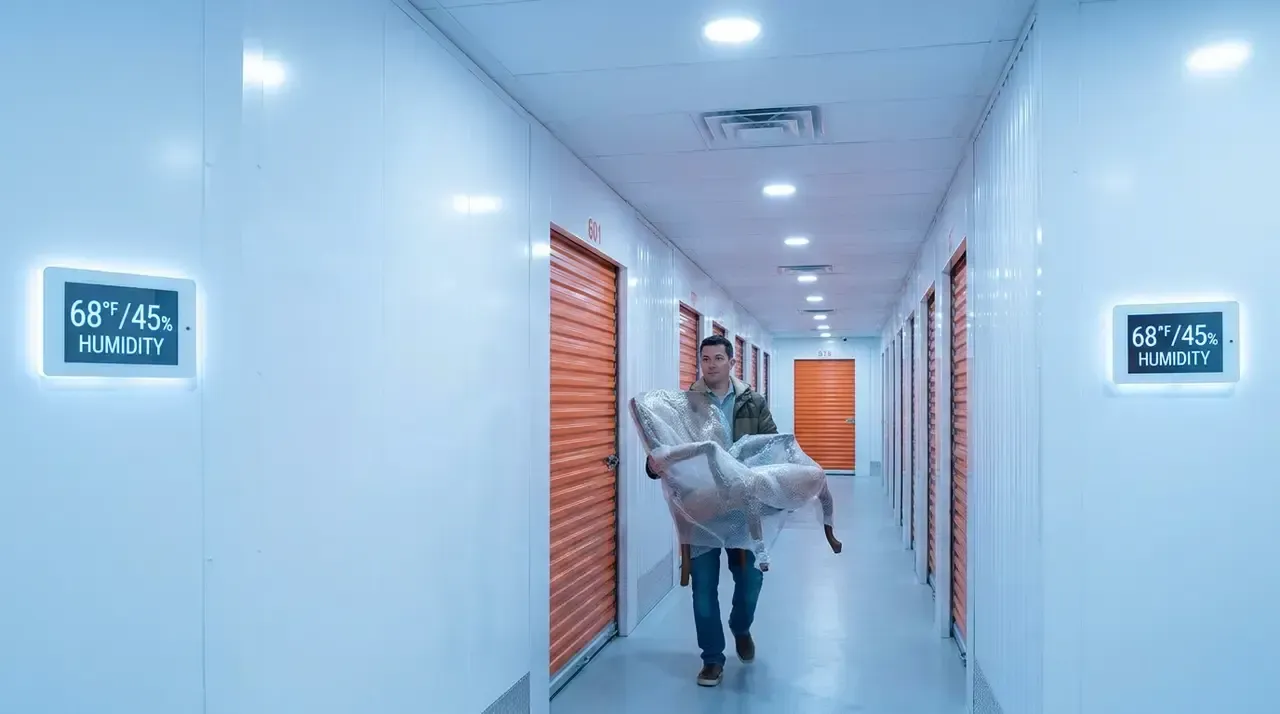
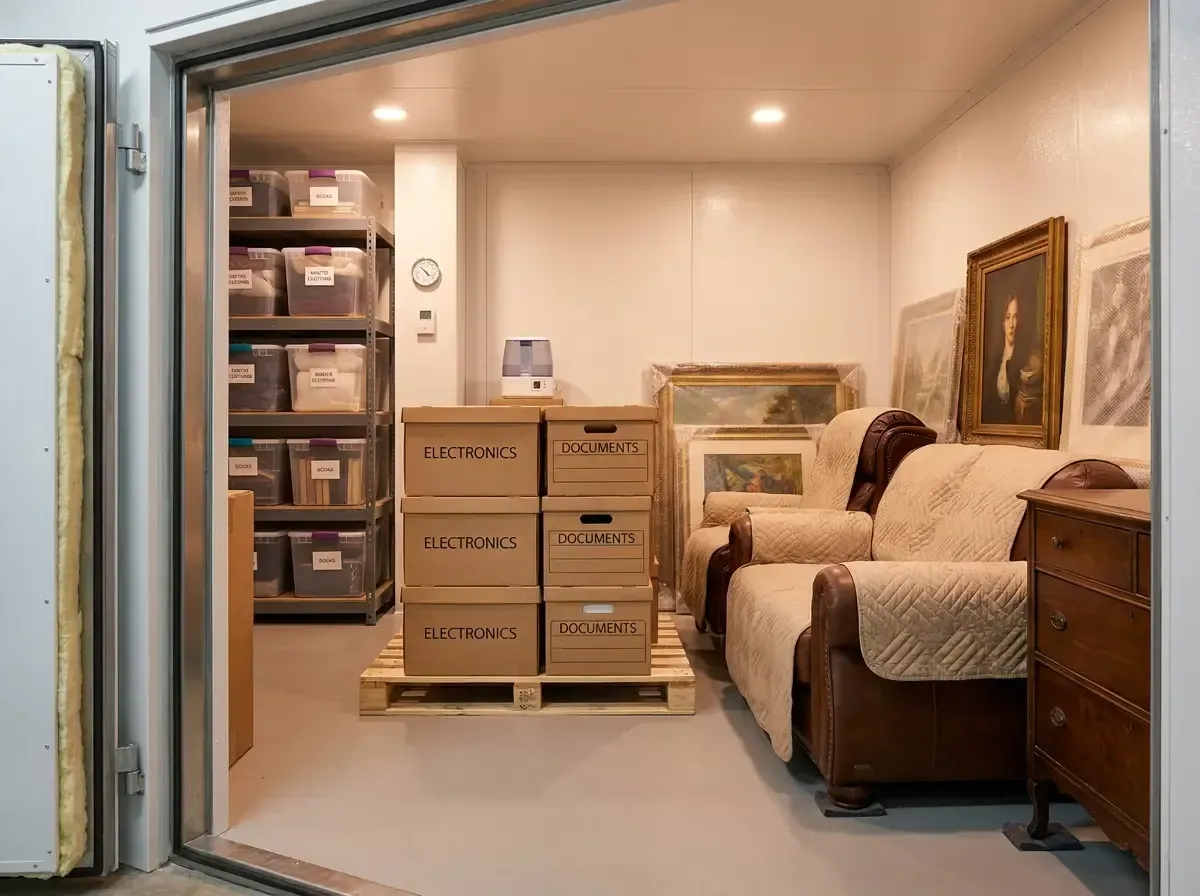
A climate controlled storage unit is an indoor self-storage space that uses HVAC systems to maintain temperatures between 55 and 85 degrees Fahrenheit year-round. These units also regulate humidity levels, typically keeping them between 30% and 50%, which prevents damage from moisture, extreme heat, and freezing conditions that can warp wood, corrode electronics, and promote mold growth.
| Key Points: | |
|---|---|
| • | Temperature maintained at 55-85°F with humidity control between 30-50% |
| • | Costs 25-50% more than standard units, averaging $125-200/month for a 10x10 space |
| • | Essential for wood furniture, electronics, documents, artwork, and textiles stored 3+ months |
| • | Indoor location provides additional protection from dust, pests, and weather |
| • | Particularly important in Colorado's mountain climate with 80+ degree temperature swings |
How Climate Controlled Storage Works
Climate controlled facilities use centralized heating, ventilation, and air conditioning systems to regulate the indoor environment. According to Extra Space Storage's research, these systems activate automatically when temperatures exceed set thresholds, maintaining consistent conditions regardless of outdoor weather.
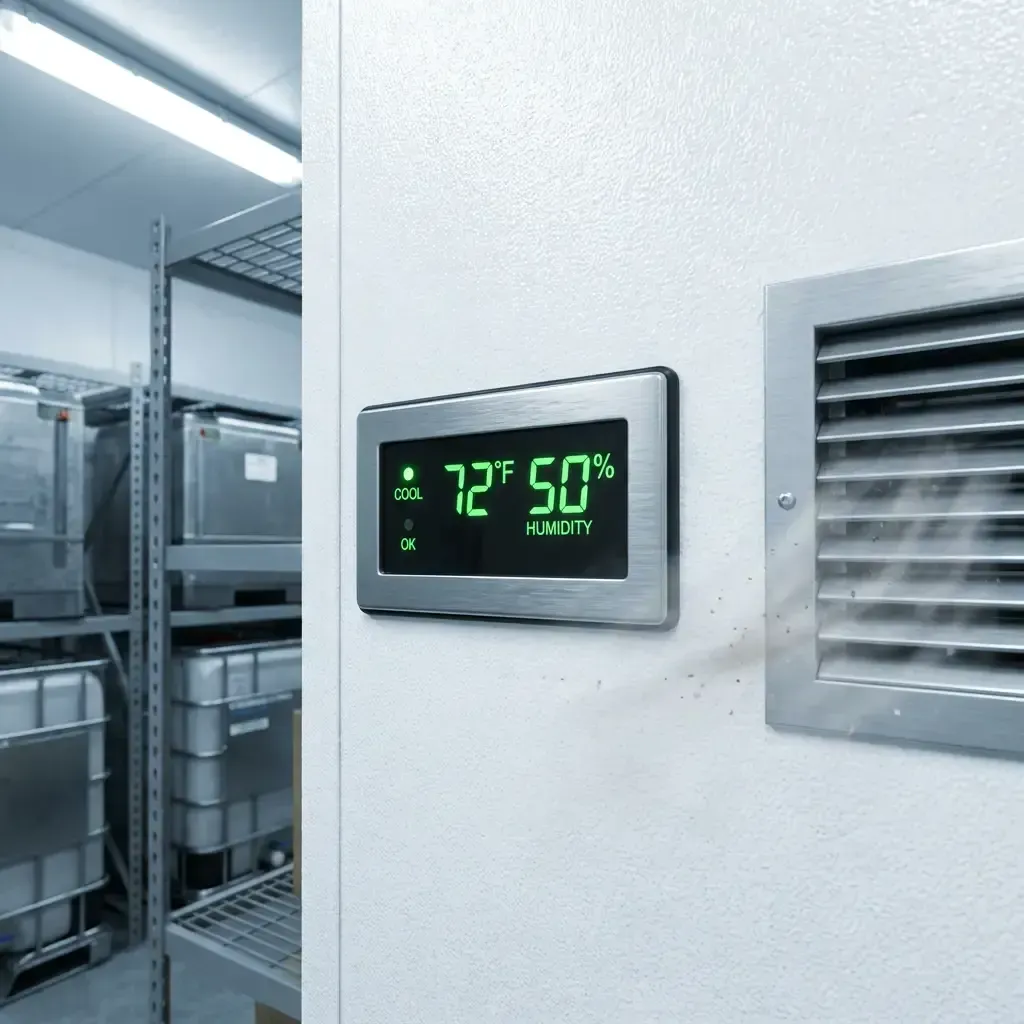
Modern facilities employ digital thermostats and building management systems that monitor conditions 24/7. Dehumidifiers work alongside HVAC equipment to remove excess moisture from the air. This dual approach prevents condensation from forming on stored items during temperature fluctuations.
The units themselves are located inside enclosed buildings with controlled entry points. This interior placement adds an additional buffer against outdoor conditions. Hallways and corridors share the climate-controlled environment, making loading and unloading comfortable even during extreme weather.
Climate Controlled vs Standard Storage: Key Differences
| Feature | Climate Controlled Unit | Standard Drive-Up Unit |
|---|---|---|
| Temperature Range | 55-85°F year-round | Follows outdoor temps (-20°F to 100°F+) |
| Humidity Control | 30-50% maintained | No control (varies 20-90%) |
| Monthly Cost (10x10) | $125-200 | $75-150 |
| Access Type | Indoor hallway access | Drive-up vehicle access |
| Dust/Pest Protection | High (sealed building) | Moderate (exterior exposure) |
| Best For | Furniture, electronics, documents, art | Tools, outdoor gear, vehicles |
The Self Storage Association reports that climate controlled units represent approximately 40% of all new storage construction, reflecting growing consumer demand for protected storage environments.
What Items Need Climate Controlled Storage?
Certain belongings require temperature and humidity regulation to prevent irreversible damage. The National Archives and Records Administration recommends storing paper documents at 65-70°F with 30-40% relative humidity to prevent deterioration.
Items That Require Climate Control
Wood Furniture and Musical Instruments: Hardwood expands and contracts with temperature changes. Repeated cycling causes joints to loosen, veneer to peel, and surfaces to crack. Pianos, guitars, and violins are particularly susceptible to humidity damage.
Electronics and Appliances: Circuit boards corrode when exposed to moisture. Condensation forms inside devices when temperatures fluctuate rapidly. Computers, televisions, stereo equipment, and cameras should always be stored in climate controlled environments.
Documents, Books, and Photographs: Paper yellows, warps, and grows mold in humid conditions. Photo prints stick together and degrade. Business records, family photos, and book collections require stable conditions for preservation.
Artwork and Collectibles: Canvas paintings stretch and contract with humidity changes. Vinyl records warp above 75°F. Comic books, trading cards, and stamps require consistent conditions to maintain value. Wine collections need temperatures between 55-58°F.
Textiles and Leather: Fabrics develop mildew in humid storage. Leather dries and cracks in low humidity or extreme heat. Upholstered furniture, clothing, and mattresses benefit from climate control.
Items That Can Use Standard Storage
Metal tools, plastic containers, lawn equipment, and outdoor furniture typically tolerate temperature fluctuations. Vehicles, trailers, and boats often use covered or open parking spaces unless they contain sensitive materials or have luxury finishes.
Climate Controlled Storage Cost Breakdown
According to ConsumerAffairs research, climate control adds 25-50% to monthly storage costs compared to standard units at the same facility. The national average storage cost is approximately $16.30 per square foot annually.
Typical Monthly Rates by Unit Size
| Unit Size | Standard Unit | Climate Controlled | Best For |
|---|---|---|---|
| 5x5 (25 sq ft) | $40-75/month | $60-110/month | Boxes, seasonal items |
| 5x10 (50 sq ft) | $60-100/month | $90-150/month | One room of furniture |
| 10x10 (100 sq ft) | $90-150/month | $125-200/month | Two-bedroom apartment |
| 10x20 (200 sq ft) | $150-250/month | $200-350/month | Three-bedroom home |
Rates vary significantly by location. Mountain resort communities like Aspen and Snowmass Village typically see rates 15-40% higher than national averages due to limited supply and high demand from seasonal residents.
Is Climate Controlled Storage Worth the Extra Cost?
The value depends on three factors: what you store, how long you store it, and your local climate conditions. A 2024 Self Storage Association survey found that 67% of customers who experienced storage damage were using non-climate controlled units.
When Climate Control Is Essential
Long-term storage (6+ months): Extended exposure to temperature extremes compounds damage. Items stored through multiple seasons face repeated expansion and contraction cycles.
High-value or irreplaceable items: The cost of climate control is minimal compared to replacing antique furniture, family heirlooms, or expensive electronics. A $50/month premium over 12 months ($600) protects items worth thousands.
Extreme climate regions: In Colorado's Roaring Fork Valley, winter temperatures drop below zero while summer highs exceed 90°F. This 100+ degree annual swing creates significant stress on stored materials.
When Standard Storage May Suffice
Short-term storage (under 3 months): Brief storage periods limit exposure to damaging conditions. Moving between homes often requires only temporary storage.
Durable items only: Metal tools, plastic bins, camping gear, and outdoor equipment tolerate temperature variations. These items are designed for environmental exposure.
Climate Control in Colorado's Mountain Climate
The Roaring Fork Valley presents unique storage challenges. Winter temperatures regularly drop below 0°F at elevation, while summer days reach 85-95°F. This extreme range, combined with low humidity in winter (often below 20%) and monsoon moisture in summer, creates conditions that damage sensitive items quickly.
Second-home owners face particular challenges. Furnishings, artwork, and décor stored between visits require protection from freeze-thaw cycles. Ski equipment with advanced composite materials, adhesives, and bindings degrades when exposed to extreme cold followed by rapid warming.
Interior storage units with temperature buffering provide significant protection even without full climate control. Being inside an enclosed building moderates temperature swings by 20-30 degrees compared to exterior drive-up units. For the Aspen and Snowmass area, our storage unit size guide helps match your belongings to the right space.
Types of Temperature-Controlled Storage Options
Not all temperature-regulated storage is identical. Understanding the distinctions helps you choose the right level of protection for your needs and budget.
Full Climate Control: Both heating and cooling with humidity regulation. Maintains 55-85°F and 30-50% humidity year-round. Highest protection level and cost.
Heated-Only Storage: Common in cold climates. Prevents freezing but does not cool in summer. Costs 15-25% less than full climate control. Suitable for items sensitive to cold but tolerant of moderate heat.
Cooled-Only Storage: Found in hot, humid regions. Prevents overheating and reduces humidity. Does not protect against freezing. Appropriate for southern climates without hard winters.
Interior Storage: Units inside buildings without active climate control. Temperature swings are moderated by building insulation. Provides dust and pest protection. Costs similar to standard units with improved conditions.
Frequently Asked Questions
Is climate control worth it for storage?
Climate control is worth the 25-50% cost premium when storing wood furniture, electronics, documents, artwork, or textiles for more than 3 months. The investment protects against warping, corrosion, mold, and material degradation that can destroy items worth far more than the storage premium.
What is the difference between climate controlled and regular storage units?
Climate controlled units maintain temperatures between 55-85°F with humidity control at 30-50%, while regular units follow outdoor temperatures that can range from below zero to over 100°F. Climate controlled units are located indoors with hallway access; regular units typically have drive-up exterior access.
Is it cheaper to rent a pod or a storage unit?
Traditional storage units cost $90-290/month depending on size and features. Portable storage pods cost $150-350/month for comparable space, plus delivery fees of $50-150 each way. For storage lasting 3+ months, traditional units typically cost 20-40% less than pods.
Can I sleep in a climate controlled storage unit?
No. Living or sleeping in any storage unit is prohibited by facility rental agreements, violates local zoning and housing codes, and creates serious safety hazards. Storage units lack proper ventilation, sanitation, and emergency egress required for habitation. Violations result in immediate lease termination.
How much does a 10x10 climate controlled storage unit cost per month?
A 10x10 climate controlled storage unit costs $125-200 per month nationally, though rates vary by location. Mountain resort areas and major metropolitan markets see rates 20-40% above average. This size accommodates contents from a two-bedroom apartment.
Do all storage facilities offer climate control?
No. Approximately 40% of storage facilities offer climate controlled options. Newer facilities are more likely to include climate control, while older drive-up style properties often lack the infrastructure. Always confirm climate control availability before reserving.
Choosing the Right Storage for Your Needs
Selecting between climate controlled and standard storage requires evaluating your specific items, storage duration, and local conditions. The ConsumerAffairs storage guide emphasizes that climate control "matters more than most people expect," particularly for everyday belongings beyond just antiques or rare items.
For residents of the Roaring Fork Valley storing seasonal furnishings, ski equipment, or business inventory, interior storage provides meaningful protection against Colorado's temperature extremes. Explore affordable storage options near Aspen that balance protection with value.
Before committing to any storage facility, visit in person to assess conditions. Check that climate control systems are actively running and ask about temperature monitoring practices. Review the tenant protection plans available to safeguard your belongings against unexpected damage.
|