Self Storage Costs in 2026: Complete Pricing Guide by Unit Size |
| SELF STORAGE COSTS
⏱ 13 min read ·
📄 #2,443 words
Self storage costs range from $30 to $300+ per month in 2026. See average prices by unit size, location factors, and tips to save 15-30% on monthly rates.
|
S elf storage costs in the United States range from $30 to $300+ per month in 2026, with the national average falling between $85 and $140 per month. A standard 10x10 unit (the most popular size) costs $100 to $150 monthly, while smaller 5x5 units start at $40 to $60 and larger 10x20 units run $170 to $260 or more depending on location and features.
| Key Points: | |
|---|---|
| • | National average: $85 to $140 per month for standard units in 2026 |
| • | Climate-controlled units cost 20-50% more than standard drive-up units |
| • | Urban areas like San Francisco and New York charge 2-3x the national average |
| • | First-month discounts of 50% or free rent are common at major operators |
| • | Month-to-month leases offer flexibility but may cost 10-15% more than annual contracts |
Average Self Storage Costs by Unit Size
Storage unit pricing follows a predictable pattern based on square footage. According to Extra Space Storage's 2026 pricing guide, the cost per square foot decreases as unit size increases, making larger units more economical for substantial storage needs.
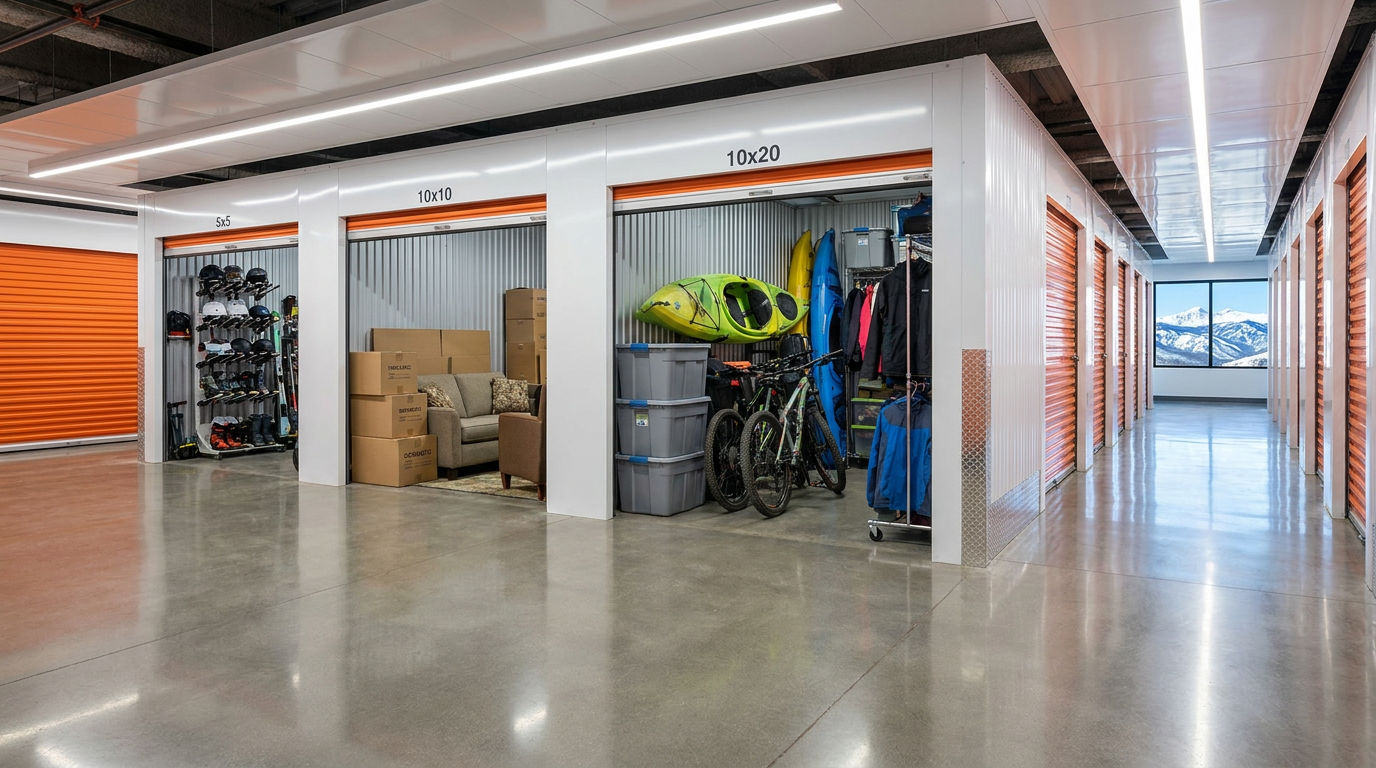
A 5x5 unit (25 square feet) provides enough space for boxes, small furniture, and seasonal items like holiday decorations. This size works well for college students or individuals storing a few belongings between moves.
The 10x10 unit (100 square feet) remains the industry standard, fitting the contents of a one-bedroom apartment or small office. Most facilities stock more 10x10 units than any other size due to consistent demand.
| Unit Size | Square Feet | Monthly Cost Range | Best For |
|---|---|---|---|
| 5x5 | 25 sq ft | $40 - $75 | Boxes, seasonal items, small furniture |
| 5x10 | 50 sq ft | $55 - $100 | Studio apartment, mattress set, dresser |
| 10x10 | 100 sq ft | $100 - $175 | 1-bedroom apartment, small office |
| 10x15 | 150 sq ft | $130 - $225 | 2-bedroom apartment, large furniture |
| 10x20 | 200 sq ft | $170 - $300 | 3-bedroom home, vehicle storage |
| 10x30 | 300 sq ft | $250 - $400+ | 4+ bedroom home, multiple vehicles |
How Big Is a 10x10 Storage Unit?
A 10x10 storage unit measures 10 feet wide by 10 feet deep, providing 100 square feet of floor space. With standard 8-foot ceilings, you get approximately 800 cubic feet of storage volume. This equals roughly the size of a standard bedroom or half of a one-car garage.
In practical terms, a 10x10 unit holds the contents of a fully furnished one-bedroom apartment: a queen bed, dresser, sofa, dining table with chairs, and 30 to 40 medium boxes. Stacking items strategically can increase usable capacity by 40-60%.
The Move.org storage cost analysis reports that 10x10 units represent 35% of all storage rentals nationwide, making them the most commonly rented size across Public Storage, Extra Space Storage, and CubeSmart facilities.
How Big Is a 5x10 Storage Unit?
A 5x10 storage unit provides 50 square feet of space, similar to a large walk-in closet. The narrow dimensions (5 feet wide, 10 feet deep) work well for items that stack vertically or lean against walls, such as mattresses, sofas stood on end, or tall bookshelves.
This size accommodates the contents of a studio apartment or dorm room. Expect to fit a mattress set, small sofa, desk, and 15 to 20 boxes comfortably. The 5x10 unit costs 30-40% less than a 10x10 while providing half the space.
What Factors Affect Self Storage Costs Per Month?
Seven primary factors determine your monthly storage rate. Understanding each helps you find the best value for your specific situation and potentially save $20 to $100 monthly.
Geographic Location
Location drives the largest price variations in self storage. Metropolitan areas with high real estate costs charge premium rates. San Francisco averages $230 per month for a 10x10 unit, while the same size in Houston costs $95. Rural facilities often price 40-60% below urban competitors.
According to Rec Nation Storage's pricing guide, the top five most expensive storage markets in 2026 are San Francisco, New York City, Los Angeles, Seattle, and Boston. The most affordable markets include Memphis, Oklahoma City, Indianapolis, and Phoenix suburbs.
Climate Control Features
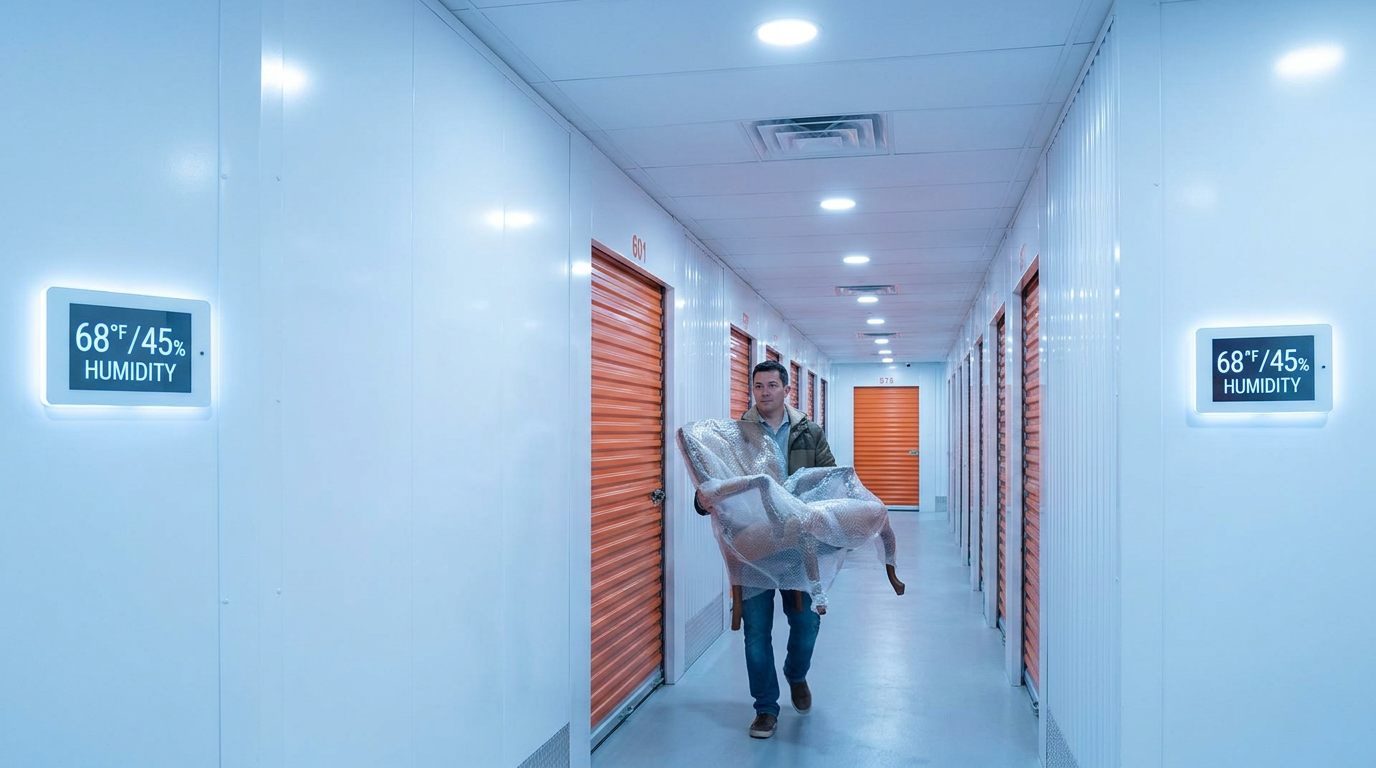
Climate-controlled units maintain temperatures between 55 and 80 degrees Fahrenheit year-round, protecting sensitive items from extreme heat, cold, and humidity. These units cost 20-50% more than standard drive-up storage.
Climate control becomes essential for electronics, wooden furniture, leather goods, wine collections, photographs, and musical instruments. In regions with temperature swings exceeding 40 degrees seasonally (like Colorado's mountain communities), climate-controlled storage prevents warping, cracking, and mold growth.
Unit Type and Access
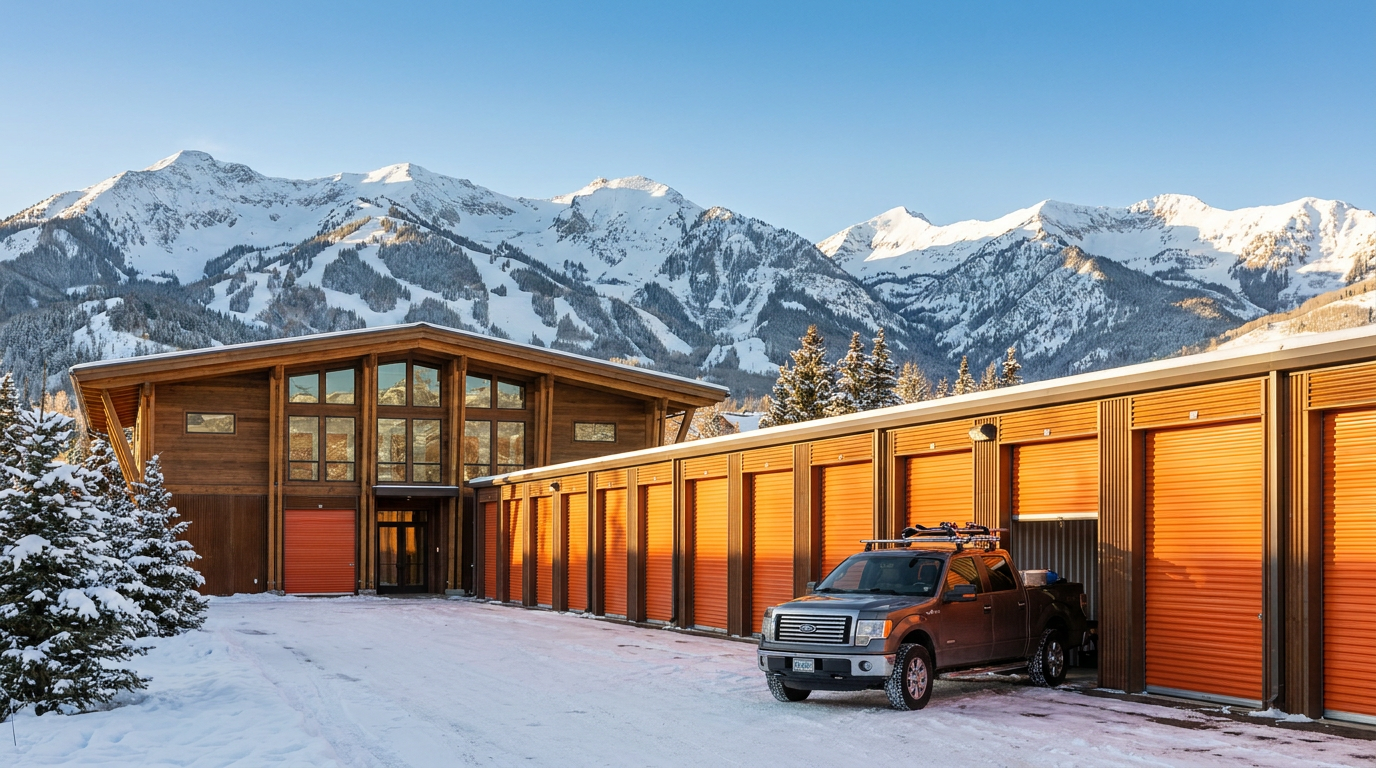
Drive-up units with roll-up doors allow vehicle access directly to your unit, simplifying loading of heavy items. These typically cost 10-20% more than interior hallway units in the same facility. Upper-floor units accessed by elevator often receive discounts of $10 to $30 monthly.
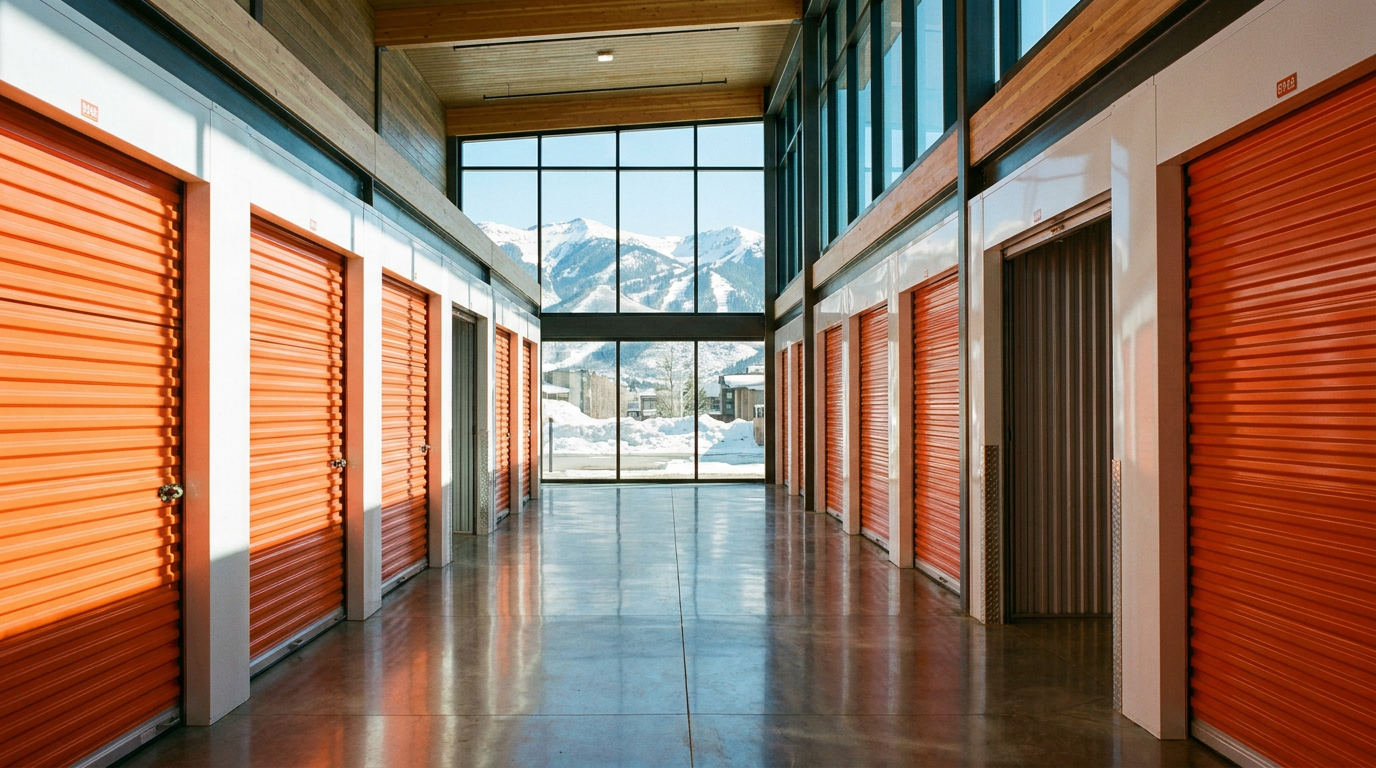
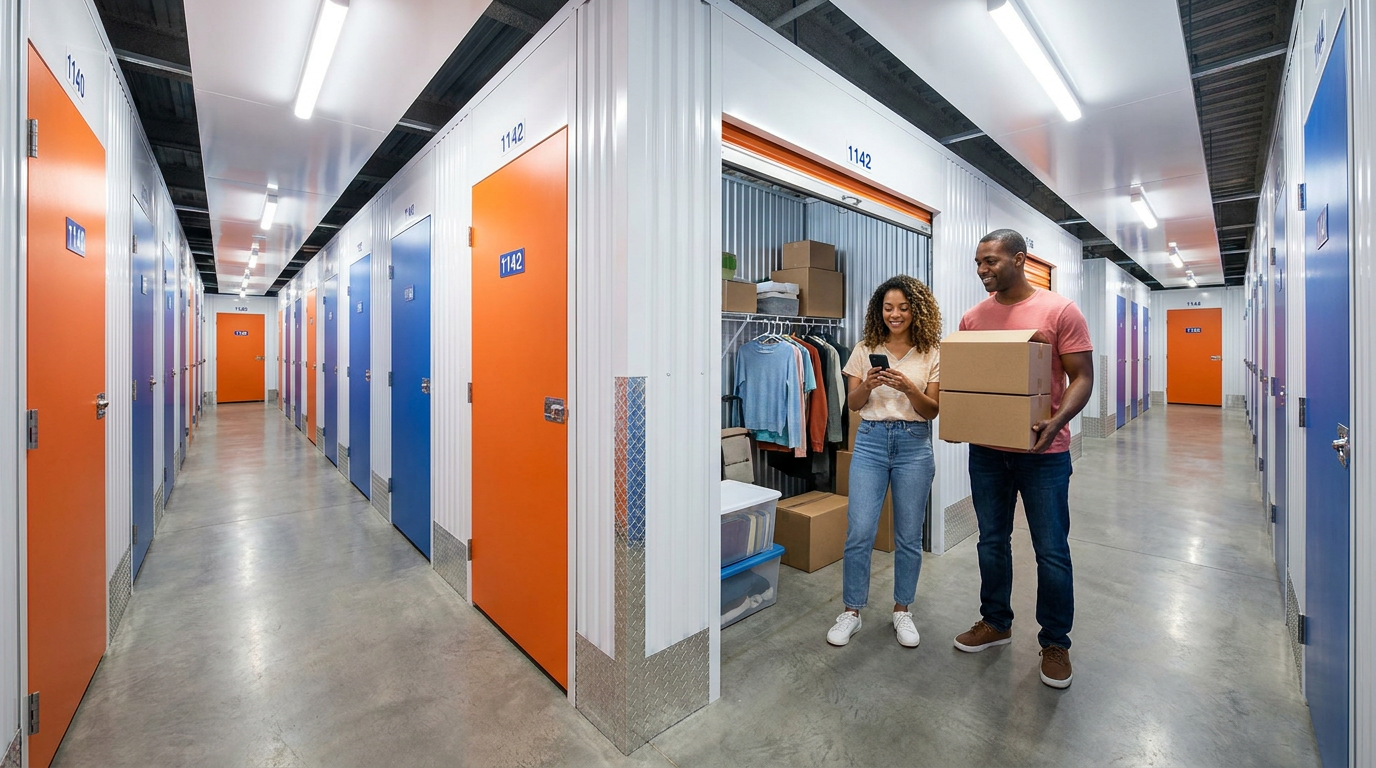
Ground-floor interior units balance convenience with cost, offering protection from weather without the premium of drive-up access. Facilities like Snowmass Self Storage offer various unit configurations including interior units with lighting and power outlets for added functionality.
Lease Length and Promotions
Month-to-month leases provide maximum flexibility but may cost 10-15% more than 6 or 12-month commitments. Major operators like Public Storage, Extra Space Storage, and U-Haul frequently offer first-month-free or 50% off promotions to attract new customers.
Timing matters for securing deals. January through March sees the lowest occupancy rates, giving renters more negotiating power. Summer months (May through August) bring peak demand from college students and families moving, reducing available discounts.
How Much Does a 10x20 Storage Unit Cost?
A 10x20 storage unit costs between $170 and $300 per month nationally, with an average of $215 in 2026. This 200-square-foot space fits the contents of a three-bedroom home or serves as vehicle storage for cars, motorcycles, and small boats.
The 10x20 size works well for families relocating who need temporary storage during a home sale. It also suits small businesses storing inventory, equipment, or archived records. At 20 feet deep, these units accommodate standard vehicles up to 18 feet long.
Premium markets push 10x20 pricing significantly higher. New York City averages $450 monthly, while Chicago ranges from $200 to $367 depending on neighborhood and amenities. Suburban facilities 20-30 miles from city centers often charge 30-40% less for equivalent space.
How Much Does a 20 Foot Storage Unit Cost?
A 20-foot storage unit typically refers to the 10x20 configuration (200 square feet), costing $170 to $300 monthly. Some facilities offer 20x20 units (400 square feet) ranging from $260 to $500 per month, suitable for commercial inventory or multiple vehicle storage.
The 20x20 size provides garage-equivalent space, accommodating two vehicles plus additional belongings. Businesses use this configuration for contractor equipment, restaurant supplies, and retail overflow inventory. The cost per square foot decreases at this size, averaging $0.65 to $1.25 compared to $1.60 to $2.50 for smaller units.
Self Storage Costs by State and Region
Regional pricing varies by 200% or more across the United States. Coastal states and major metropolitan areas command premium rates, while Midwest and Southern markets offer budget-friendly options.
| Region/State | 5x10 Average | 10x10 Average | 10x20 Average |
|---|---|---|---|
| California | $95 - $140 | $150 - $230 | $250 - $400 |
| New York | $100 - $160 | $175 - $280 | $300 - $450 |
| Texas | $50 - $80 | $85 - $130 | $140 - $200 |
| Colorado | $65 - $110 | $100 - $175 | $170 - $280 |
| Florida | $55 - $90 | $90 - $150 | $150 - $240 |
| Midwest (OH, IN, IL) | $45 - $75 | $75 - $120 | $120 - $180 |
Mountain resort communities like Aspen, Vail, and Park City see storage costs 30-50% above state averages due to limited real estate and high seasonal demand. Facilities located 10-15 minutes outside these premium zones often provide significant savings of 15-30% while maintaining convenient access.
How Much Should You Pay for Self Storage?
Your ideal storage budget depends on what you're storing, how long you need the space, and your local market rates. As a general rule, storage should cost no more than 5% of the total value of items being stored annually.
For a household storing $10,000 worth of furniture and belongings, spending up to $500 annually ($42 monthly) makes financial sense. Storing items worth $2,000 or less for extended periods often costs more than replacement value within 2-3 years.
Consider these benchmarks when evaluating storage costs:
- Budget option: $40 to $70 monthly for basic 5x5 or 5x10 units
- Mid-range option: $100 to $150 monthly for 10x10 with standard features
- Premium option: $175 to $300 monthly for climate-controlled or large drive-up units
Vehicle and RV Storage Costs
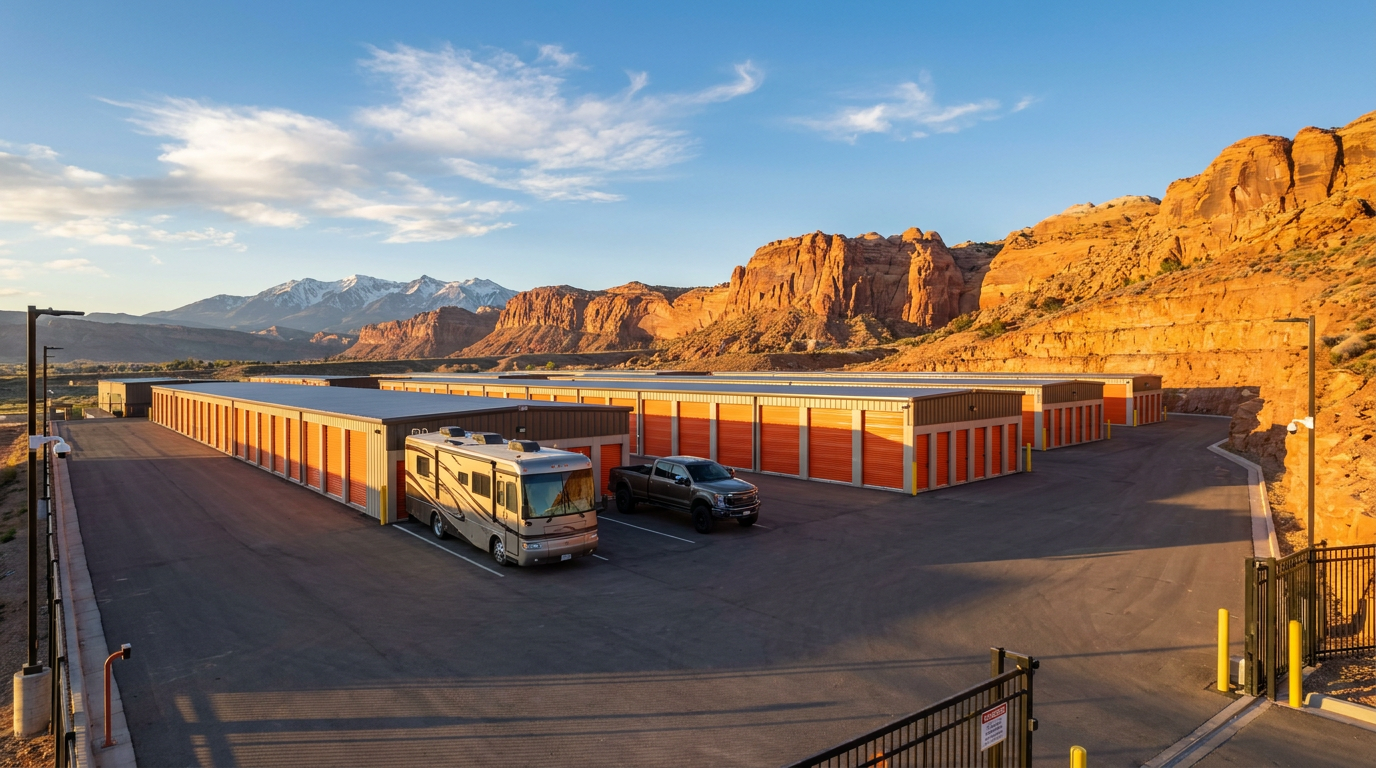
Vehicle storage requires specialized spaces with different pricing structures than standard units. Outdoor parking spots cost $50 to $150 monthly, covered parking runs $100 to $200, and enclosed garage-style units range from $150 to $400 depending on size and location.
RV and boat storage costs $75 to $450 monthly based on vehicle length and storage type. A 25-foot RV in uncovered outdoor parking averages $125 monthly, while the same vehicle in a climate-controlled enclosed space costs $300 to $400. Electrical hookups for battery maintenance add $20 to $50 monthly.
Facilities offering dedicated vehicle and RV parking provide paved surfaces, security cameras, and easy access for seasonal users. Winter storage demand peaks in mountain communities from October through April, while coastal areas see higher summer demand for boat storage.
Business Storage Costs and Considerations
Commercial storage rates typically match or slightly exceed residential pricing, with businesses paying $100 to $500 monthly depending on space requirements. Contractors, retailers, restaurants, and service companies use storage for inventory, equipment, and seasonal supplies.
Business-specific features that affect pricing include:
- 24/7 access: Essential for businesses needing after-hours retrieval, adds $10 to $30 monthly
- Power outlets: Required for charging equipment or running small tools, adds $15 to $40 monthly
- Delivery acceptance: Some facilities receive packages on behalf of tenants, varies by location
- Multiple unit discounts: Businesses renting 3+ units often negotiate 10-20% reductions
Local businesses in seasonal economies benefit from flexible commercial storage options that accommodate inventory fluctuations without long-term lease commitments.

How to Save Money on Self Storage
Strategic planning reduces storage costs by 20-40% without sacrificing security or convenience. These proven approaches help minimize monthly expenses while meeting your storage needs.
Choose the Right Size
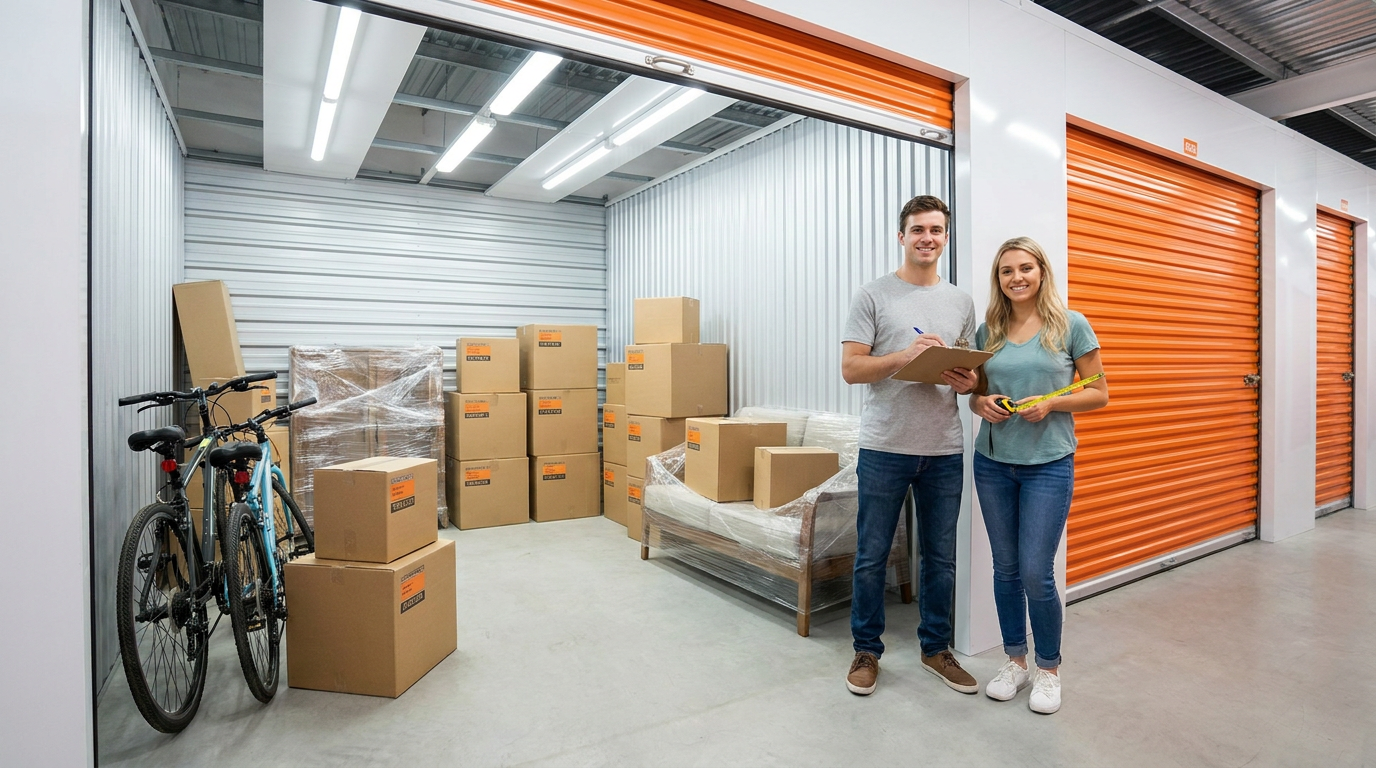
Overestimating space needs wastes $30 to $100 monthly. Use online size calculators from SpareFoot, SelfStorage.com, or facility websites to match unit dimensions to your belongings. When uncertain, schedule an in-person visit to visualize the space before committing.
Compare Multiple Facilities
Prices vary 30-50% between facilities within the same zip code. National brands like Public Storage, Extra Space Storage, CubeSmart, and Life Storage compete aggressively on price. Independent facilities often match or beat chain pricing while offering more personalized service.
Look Beyond City Centers
Facilities 10-20 minutes from downtown areas charge significantly less than urban locations. The drive time savings rarely justify paying 40-60% more for a central location you visit once or twice monthly.
Ask About Promotions
First-month-free and 50% off deals appear year-round at most facilities. Ask about military discounts (typically 10%), student rates, senior discounts, and referral bonuses. Many facilities negotiate rates for customers willing to prepay 3-6 months upfront.
Avoid Unnecessary Add-Ons
Tenant protection plans ($10 to $25 monthly) may duplicate your homeowner's or renter's insurance coverage. Check existing policies before purchasing facility-offered protection. However, if you lack coverage, tenant protection plans provide affordable peace of mind for valuable belongings.
Hidden Costs to Watch For
Beyond monthly rent, several fees can increase your total storage costs by 15-25%. Understanding these charges upfront prevents budget surprises.
Administrative fees: One-time charges of $15 to $50 for account setup, key deposits, or access cards. Some facilities waive these for online reservations.
Late payment fees: Typically $20 to $50 or 10-20% of monthly rent for payments received after the grace period (usually 5-10 days).
Insurance requirements: Most facilities require proof of coverage or purchase of their protection plan. Budget $10 to $30 monthly if your existing insurance doesn't cover stored property.
Rate increases: Month-to-month leases allow facilities to raise rates with 30 days notice. Annual increases of 5-10% are common at high-occupancy locations.
Frequently Asked Questions
How much does a 10x10 storage unit cost per month?
A 10x10 storage unit costs $100 to $175 per month nationally, with an average of $130 in 2026. Urban markets like New York and San Francisco charge $175 to $280, while rural areas and smaller cities average $75 to $110. Climate-controlled 10x10 units add 25-40% to base pricing.
What is the cheapest way to get storage?
The cheapest storage options include portable containers ($100 to $200 monthly delivered to your location), outdoor parking spaces for vehicles ($50 to $100), and small 5x5 units at suburban facilities ($40 to $60). Sharing a larger unit with a trusted friend or family member also reduces per-person costs significantly.
Is it cheaper to rent a storage unit long-term?
Long-term rentals (6-12 months) often qualify for 5-15% discounts compared to month-to-month rates. However, prepaying annually locks you into a rate even if you no longer need the space. Calculate the break-even point before committing to extended terms.
How much does it cost to build 100 storage units?
Building 100 storage units costs $1.5 million to $4 million depending on land costs, construction type, and amenities. Single-story drive-up facilities cost $25 to $45 per square foot, while multi-story climate-controlled buildings run $60 to $100 per square foot. Land acquisition, permitting, and site preparation add 20-40% to construction costs.
Do storage unit prices go up over time?
Yes, storage facilities typically raise rates 5-10% annually for existing tenants, especially in high-demand markets. New customer promotions often offer below-market rates that increase to standard pricing after 3-6 months. Asking about rate lock guarantees or maximum annual increases protects against unexpected jumps.
Finding the Right Storage Solution
Self storage costs vary widely based on size, location, features, and timing. The national average of $85 to $140 monthly provides a useful benchmark, but your actual costs depend on local market conditions and specific needs.
Start by accurately assessing what you need to store, then compare at least three facilities within your target area. Online reservation systems make it easy to reserve a unit in minutes and lock in promotional pricing before rates change.
For those in the Roaring Fork Valley, including Aspen, Snowmass Village, Basalt, and Carbondale, locally owned facilities often provide better value than national chains. Snowmass Self Storage offers rates 15-30% below in-town Aspen facilities with convenient Highway 82 access, 24/7 entry, and no long-term commitment requirements. Visit our storage FAQ for answers to common questions about the rental process.
|