Storage Unit Size Guide: How to Choose Without Overpaying |
| STORAGE UNIT SIZE GUIDE: HOW TO CHOOSE WITHOUT OVERPAYING
⏱ 12 min read ·
📄 #2,340 words
Learn exactly what storage unit size you need with our comprehensive guide. Compare dimensions, see what fits, and avoid paying for space you will not use.
|
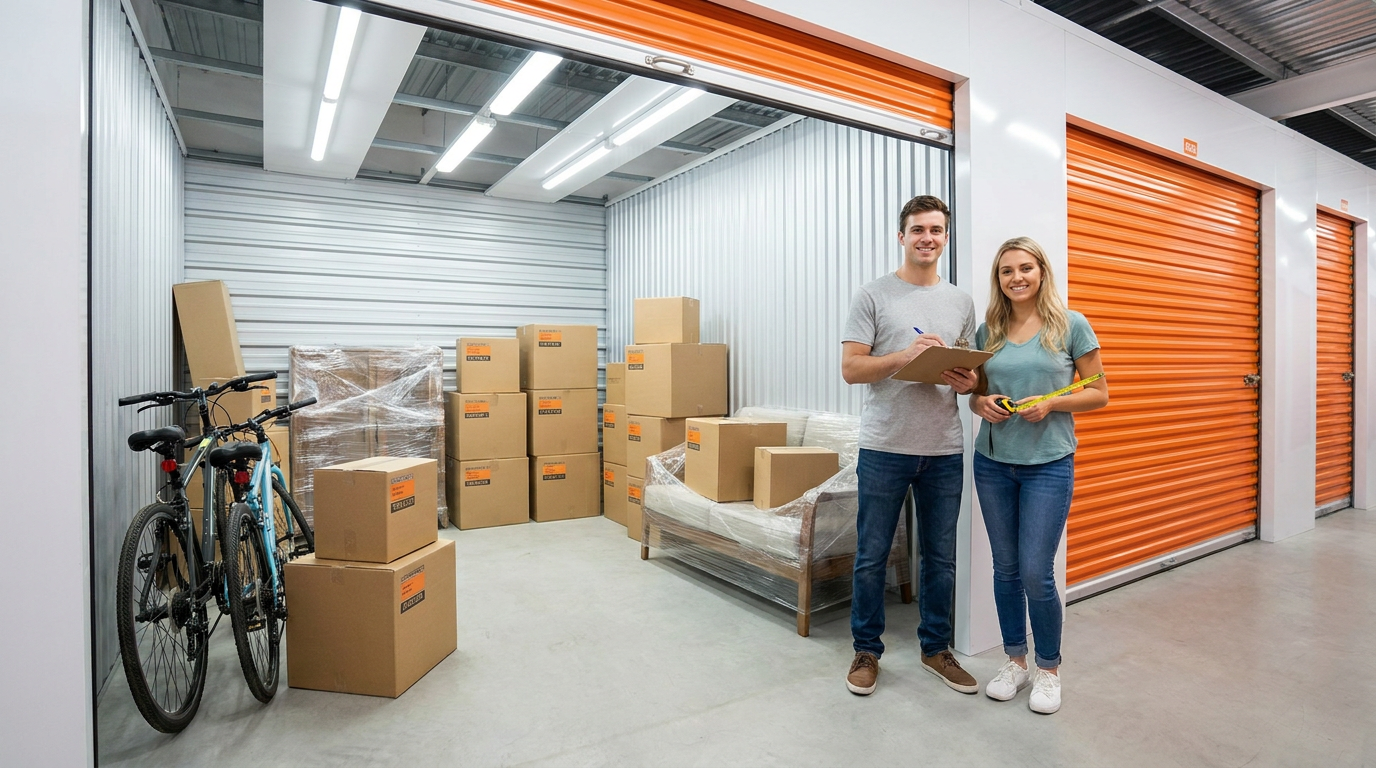
A 10x10 storage unit holds a one-bedroom apartment's contents, while a 5x10 fits a studio or dorm room. Most renters overpay by 15 to 25 percent because they choose a unit one size larger than necessary. The right size depends on three factors: total item volume, access frequency, and whether you stack vertically.
| Key Points: | |
|---|---|
| • | 5x5 units (25 sq ft) hold seasonal items and 10 to 15 boxes for $50 to $135 per month |
| • | 10x10 units (100 sq ft) fit a full one-bedroom apartment with furniture for $150 to $300 per month |
| • | Measure your largest items first, as a single oversized piece can force you into a bigger unit |
| • | Stacking boxes to ceiling height can reduce your required space by 30 to 40 percent |
| • | Drive-up access units cost 10 to 20 percent more but save hours on loading and unloading |
What Size Storage Unit Do I Need? A Quick Reference
Storage unit sizes follow industry standards, though actual dimensions vary by 6 to 12 inches between facilities. According to the U-Haul storage size guide, most Americans underestimate their storage needs by one size category. The table below shows standard sizes, typical contents, and price ranges based on 2026 national averages.
| Unit Size | Square Feet | Best For | Price Range |
|---|---|---|---|
| 5x5 | 25 sq ft | Seasonal items, 10-15 boxes | $50-$135/mo |
| 5x10 | 50 sq ft | Studio apartment, mattress set | $75-$200/mo |
| 5x15 | 75 sq ft | Large studio, small 1-bedroom | $100-$275/mo |
| 10x10 | 100 sq ft | 1-bedroom apartment contents | $150-$350/mo |
| 10x15 | 150 sq ft | 2-bedroom apartment or condo | $200-$500/mo |
| 10x20 | 200 sq ft | 3-bedroom home, vehicle storage | $250-$600/mo |
| 10x30 | 300 sq ft | 4+ bedroom home, business inventory | $350-$800/mo |
Roaring Fork Valley residents often need larger units for ski equipment, outdoor gear, and seasonal furniture rotation. Our storage unit size guide shows exactly what fits in each option from 6x5 lockers to 19x35 drive-up units.
How to Calculate Your Storage Space Requirements
Start by inventorying your items room by room. Write down every piece of furniture, count your boxes, and note any oversized items like kayaks, skis, or appliances. According to Public Storage's research, the average American household owns 300,000 items, but only 10 to 15 percent typically go into storage.
The Room-by-Room Inventory Method
Walk through each room with your phone and photograph items you plan to store. Group them into categories: furniture, boxes, appliances, and specialty items. This visual inventory prevents the common mistake of forgetting items until moving day.
For furniture, measure length, width, and height in inches. A standard sofa measures 84 inches long by 36 inches deep by 34 inches tall, consuming roughly 18 cubic feet of floor space. A queen mattress set requires 33 square feet when stored flat, but only 7 square feet when stored on its side against a wall.
The Box Count Formula
Most households pack 3 to 5 medium boxes (18x18x16 inches) per room. A two-bedroom apartment typically generates 25 to 40 boxes. Each medium box occupies 3 cubic feet, so 30 boxes require 90 cubic feet of space, or roughly a 3x3 floor area stacked 10 feet high.
The Self Storage Association reports that 65 percent of renters underestimate their box count by at least 10 boxes. Add 20 percent to your initial estimate to account for items you will remember later.
Are 10x10 Storage Units Actually 10x10?
Not always. Industry measurements refer to nominal dimensions, not actual interior space. A unit advertised as 10x10 may measure 9 feet 6 inches by 9 feet 8 inches after accounting for wall thickness and door framing. This reduces usable floor space from 100 square feet to approximately 92 square feet.
Ceiling height also varies significantly between facilities. Standard units offer 8 to 10 feet of vertical clearance, while some newer facilities provide 12-foot ceilings. A 10x10 unit with 12-foot ceilings holds 20 percent more than the same footprint with 10-foot ceilings when you stack properly.
Always ask for exact interior dimensions before signing a lease. Request measurements from wall to wall, not the advertised nominal size. At Snowmass Self Storage, we provide actual interior dimensions for every unit type.
What Fits in Each Storage Unit Size
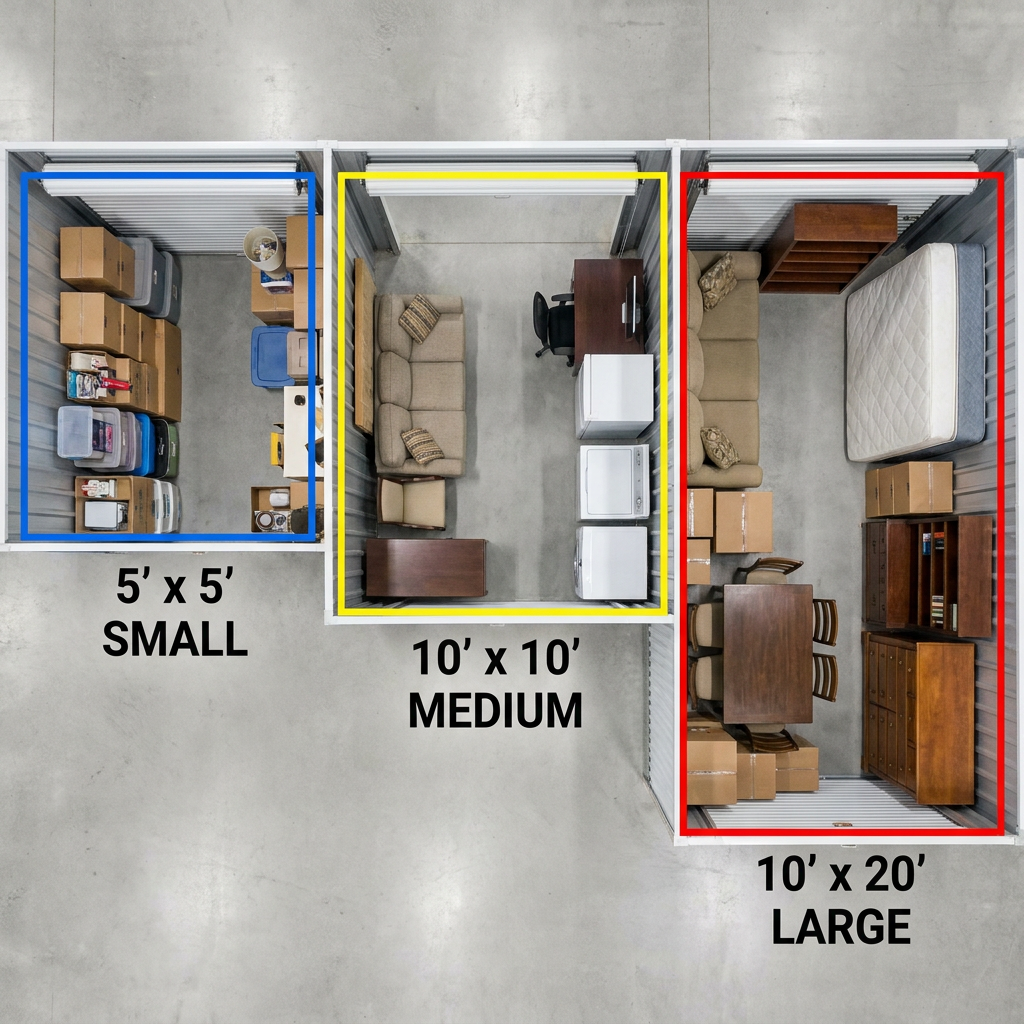
Understanding capacity prevents both overpaying for unused space and cramming items into units too small for safe storage. The Safeguard Self Storage guide notes that proper packing increases usable capacity by 25 to 35 percent compared to random placement.
5x5 Units: The Large Closet
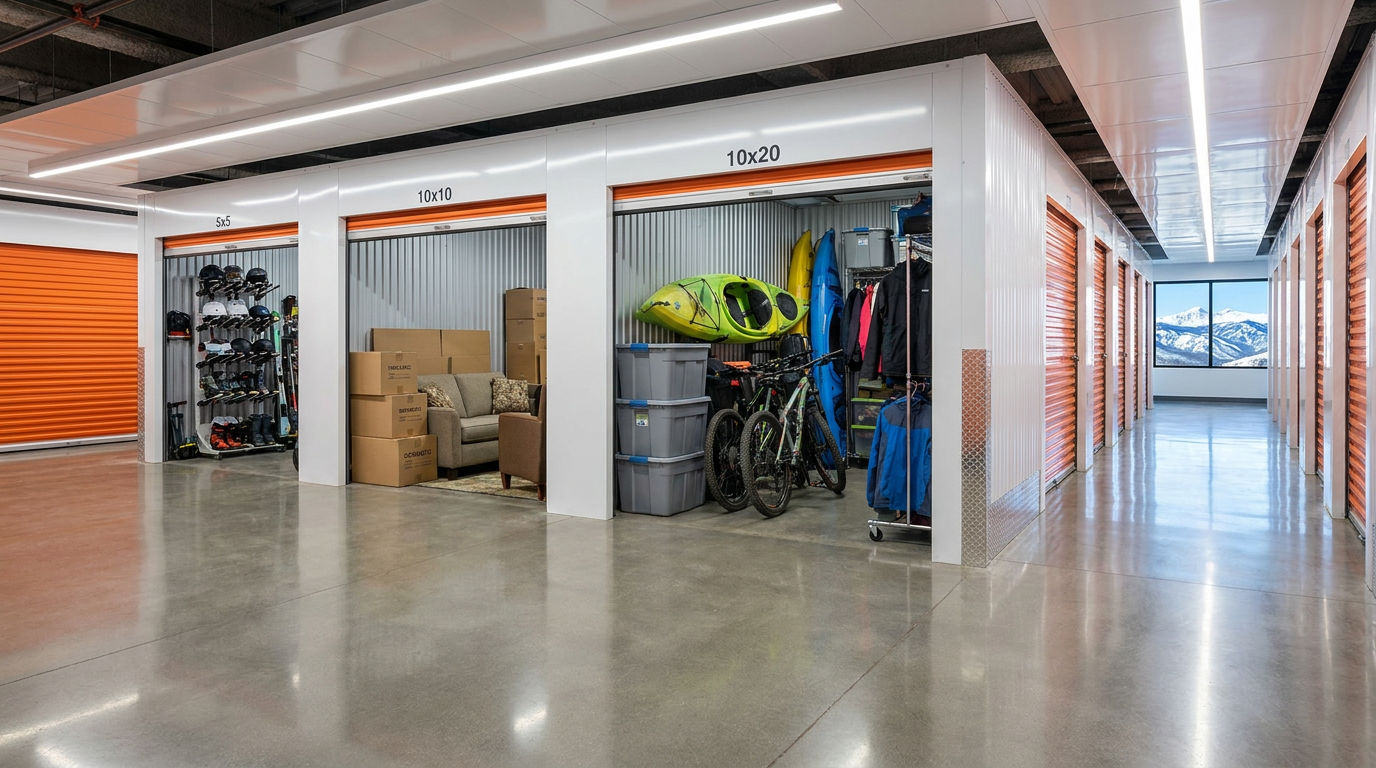
A 5x5 unit provides 25 square feet, equivalent to a walk-in closet. This size works for seasonal storage, holiday decorations, or a small collection of boxes. Expect to fit a small dresser, 10 to 15 medium boxes, seasonal clothing bins, and small electronics.
This size costs $50 to $135 per month depending on location and features. Snowmass Self Storage offers 6x5 Sky Lockers at $135 per month with indoor access and swing doors, ideal for ski gear and seasonal equipment.
5x10 Units: Studio Apartment Storage
At 50 square feet, a 5x10 unit holds the contents of a studio apartment or large dorm room. You can fit a mattress set, dresser, small couch, 20 to 25 boxes, and a bicycle. The narrow width (5 feet) limits furniture arrangement options, so measure your largest pieces first.
Can you fit a queen mattress in a 5x5 storage unit? Technically yes, but only if stored on its side and you sacrifice most remaining floor space. A 5x10 unit provides adequate room for a queen mattress stored flat with space remaining for boxes and small furniture.
10x10 Units: One-Bedroom Apartment
The 10x10 unit represents the most popular storage size in America, according to IBISWorld industry data. This 100-square-foot space accommodates a complete one-bedroom apartment: queen bed frame and mattress, couch, dining table with four chairs, dresser, entertainment center, and 30 to 40 boxes.
For Aspen and Snowmass Village residents storing furniture during renovations or between leases, a 10x10 typically suffices. Our 6x15 Interior Ground units at $495 per month offer 90 square feet with built-in lighting and power outlets.
10x15 Units: Two-Bedroom Apartment
A 10x15 unit provides 150 square feet, enough for a two-bedroom apartment or small condo. Contents typically include a king bed, sectional sofa, full dining set, refrigerator, washer/dryer, and 50 or more boxes.
Vacation rental owners in the Roaring Fork Valley often need this size for furniture rotation between seasons. Our business storage solutions accommodate seasonal inventory with flexible month-to-month terms.
10x20 Units: Three-Bedroom Home
At 200 square feet, a 10x20 unit stores a three-bedroom home's contents or serves as vehicle storage. This size fits major appliances, patio furniture, multiple bedroom sets, and 60 to 80 boxes. Many renters use this size for combined household and vehicle storage.
Our 12x22 Drive-Up units at $1,350 per month provide 264 square feet with ground-level access, interior lighting, and power outlets. Drive-up access saves 2 to 4 hours during move-in compared to interior hallway units.
10x30 and Larger: Whole House or Business
Units exceeding 200 square feet serve large homes, business inventory, or vehicle fleets. A 10x30 (300 square feet) holds a four-bedroom home. Our largest option, the 19x35 Drive-Up at $2,500 per month, provides 665 square feet with motorized doors and power for workshop use.
How Much Will a 20x20 Storage Unit Hold?
A 20x20 storage unit provides 400 square feet of floor space, equivalent to a small two-car garage. With standard 10-foot ceilings, total volume reaches 4,000 cubic feet. This size accommodates the complete contents of a 2,500 to 3,000 square foot home, including furniture from 4 to 5 bedrooms, all appliances, and 100 or more boxes.
Most facilities do not offer true 20x20 units. Instead, they provide 10x20 or 10x30 options. If you need 400 square feet, consider renting two adjacent 10x20 units or one 10x30 plus one 10x10. This configuration often costs less than premium oversized units.
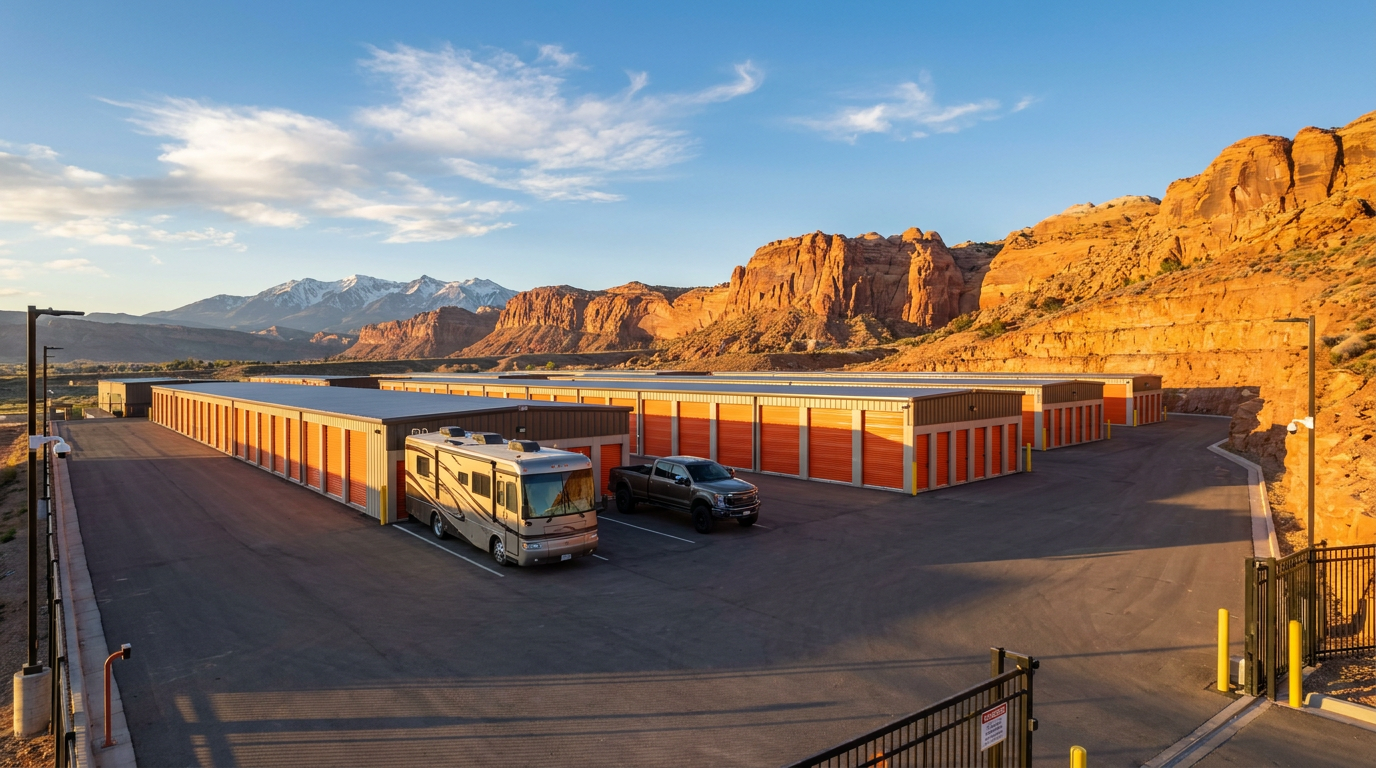
For vehicle storage, a 20x20 space parks two standard sedans or one large SUV plus a motorcycle. RV and boat owners typically need 12x30 or larger spaces. Our vehicle storage options include open parking from 10x20 to 12x43 feet.
Five Strategies to Avoid Overpaying for Storage
The average American spends $1,200 to $2,400 annually on self-storage, according to SpareFoot market research. Choosing the wrong size accounts for 15 to 25 percent of unnecessary spending. These strategies help match your needs to the right unit.
1. Measure Your Largest Items First
A single oversized item can force you into a larger unit. Measure your sofa, bed frames, dining table, and any specialty items like kayaks or ski equipment. If your sectional sofa measures 120 inches long, you need a unit at least 10 feet wide, eliminating 5-foot-wide options regardless of total volume needs.
2. Use Vertical Space Aggressively
Stacking boxes to ceiling height reduces required floor space by 30 to 40 percent. Place heavy items on the bottom, lighter boxes on top, and leave a center aisle for access. Invest $50 to $100 in sturdy shelving units to maximize vertical storage without crushing lower boxes.
Our guide to efficient storage organization covers advanced stacking techniques that maximize every cubic foot.
3. Disassemble Furniture Before Moving
A king bed frame occupies 42 square feet assembled but only 8 square feet when disassembled and stored vertically. Remove table legs, detach headboards, and take apart modular furniture. Keep hardware in labeled bags taped to each piece.
4. Purge Before You Pack
Storage costs accumulate monthly. Items worth less than six months of storage fees should be sold, donated, or discarded. A $200 dresser stored for one year at $100 per month costs more in storage than replacement value.
5. Start One Size Smaller
Most facilities allow size upgrades within the first 30 days. Reserve a unit one size smaller than your estimate, then upgrade only if necessary. This approach prevents long-term overpayment for unused space.
Storage Unit Features That Affect Pricing
Square footage determines base price, but features add 10 to 50 percent to monthly costs. Understanding which features you actually need prevents paying for unnecessary amenities.
Climate Control: When You Need It
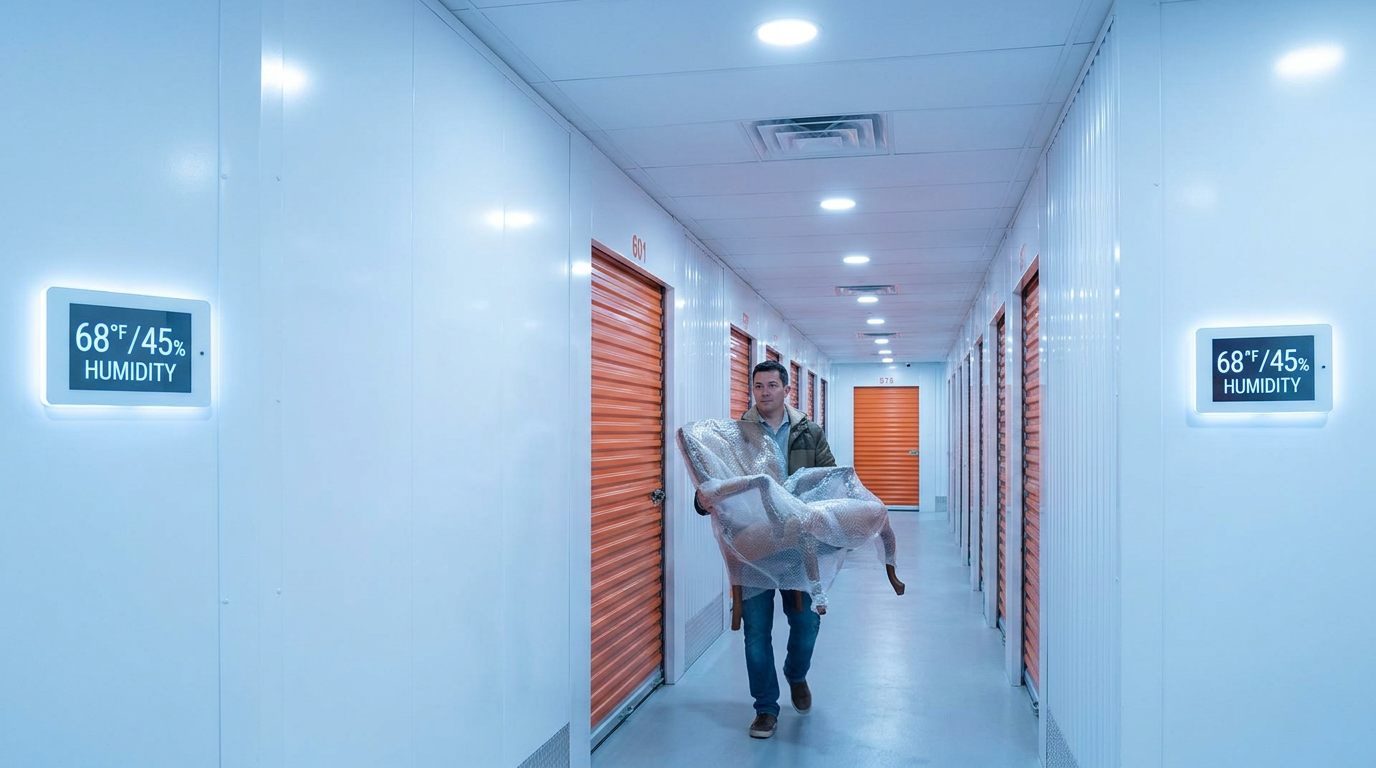
Climate-controlled units maintain temperatures between 55 and 80 degrees Fahrenheit year-round. This feature costs 20 to 50 percent more than standard units but protects sensitive items from temperature damage.
You need climate control for: wooden furniture, electronics, photographs, vinyl records, wine, leather goods, and musical instruments. In the Roaring Fork Valley, where winter temperatures drop below zero and summer highs exceed 90 degrees, climate control prevents warping, cracking, and mold growth.
Drive-Up Access: Convenience vs. Cost
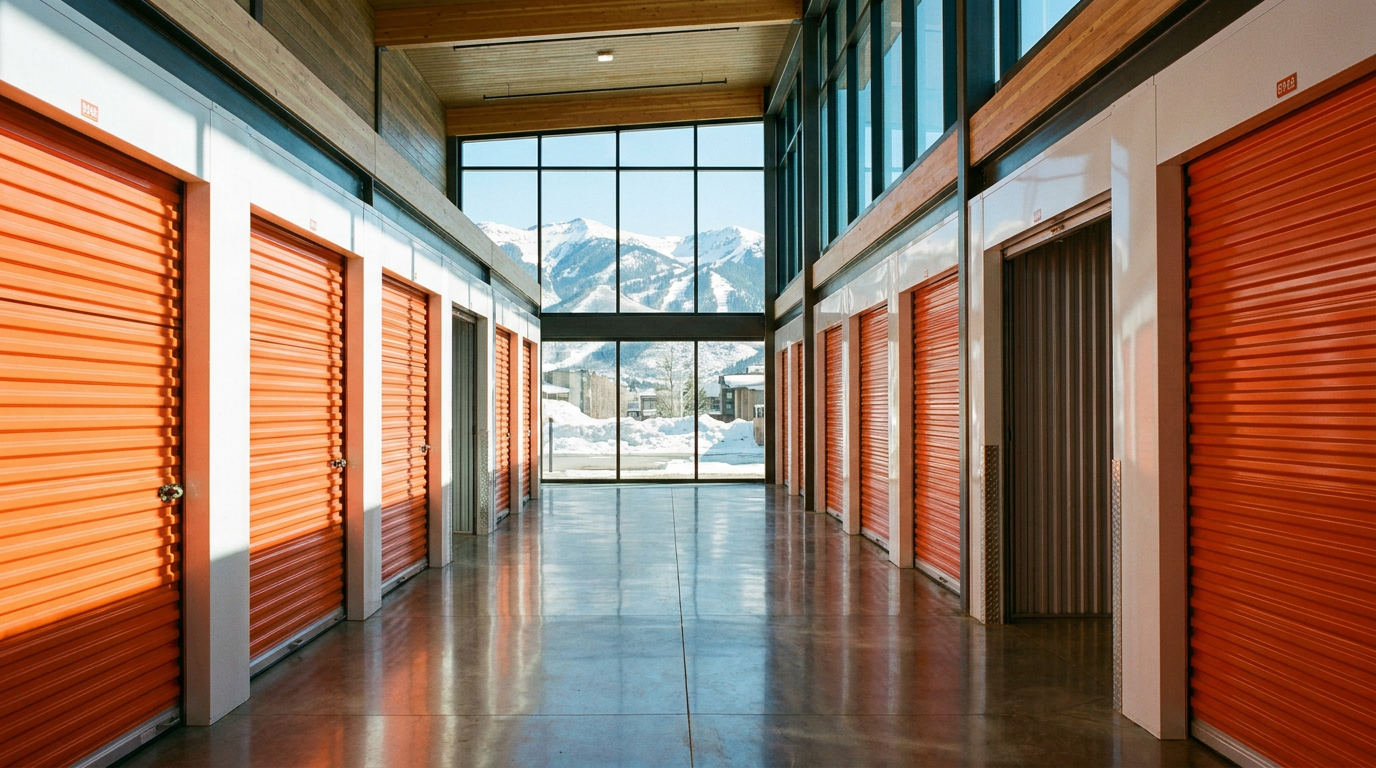
Drive-up units allow you to park directly at your unit door, eliminating hallway navigation with heavy items. This feature costs 10 to 20 percent more than interior units but saves significant time during loading and unloading.
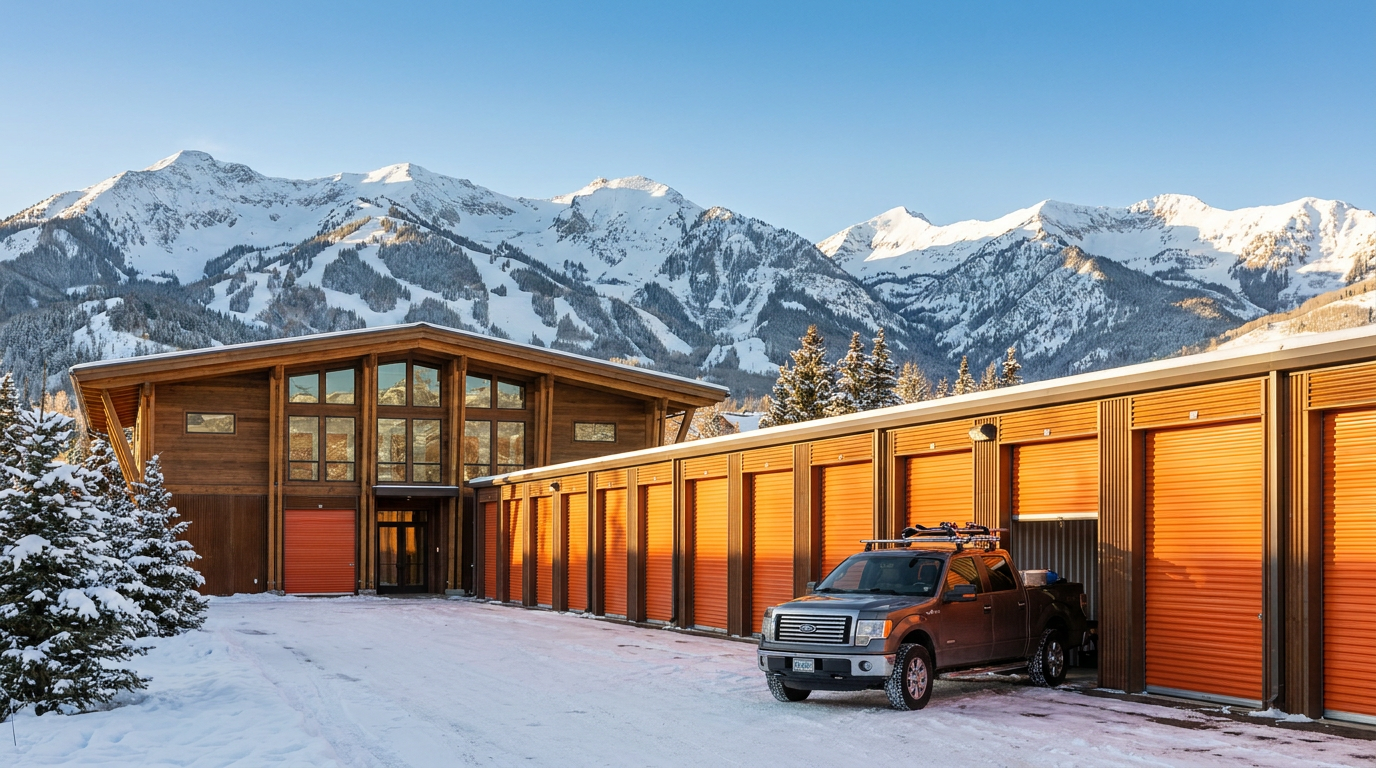
At Snowmass Self Storage, all drive-up units include ground-level access for easy loading. Our 12x22 and 19x35 drive-up options feature interior lighting and power outlets for added convenience.
24/7 Access: Flexibility Premium
Facilities offering round-the-clock access charge 5 to 15 percent more than those with limited hours. If you only visit monthly, standard business hours suffice. Frequent visitors or business users benefit from 24/7 availability.
Our facility provides 24/7 access with no additional charge, along with digital video surveillance and LED lighting throughout the property.
Roaring Fork Valley Storage Considerations
Storage needs in Aspen, Snowmass Village, Basalt, and Carbondale differ from national averages due to seasonal population fluctuations, outdoor recreation equipment, and vacation rental operations.
Seasonal Residents and Second Homeowners
Seasonal residents typically need 10x10 to 10x15 units for furniture, décor, and personal items stored between visits. Vacation rental owners rotate furniture and amenities seasonally, requiring flexible month-to-month leases without long-term commitments.
Learn how to save 15 to 30 percent on Aspen storage costs by choosing facilities slightly outside town centers.
Outdoor Recreation Equipment
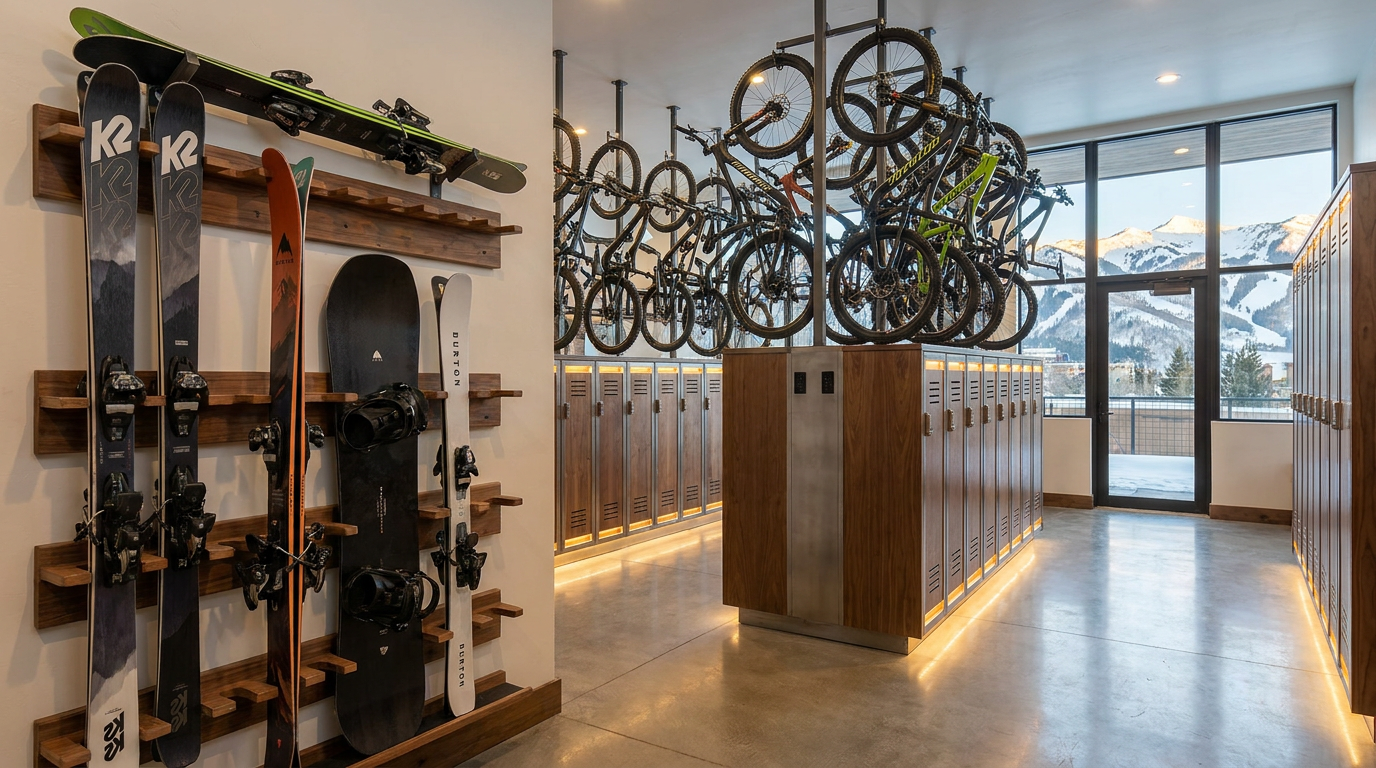
Ski equipment, mountain bikes, kayaks, and camping gear require specialized storage considerations. Skis stored in non-climate-controlled units may experience base delamination from temperature cycling. Mountain bikes need vertical storage to prevent tire flat spots.
A 5x10 unit holds 4 to 6 pairs of skis, 2 mountain bikes, and seasonal gear with room for boxes. Our 6x5 Sky Lockers at $135 per month provide compact, indoor storage specifically designed for recreational equipment.
Business and Contractor Storage
Contractors, retailers, and event companies in the Roaring Fork Valley need flexible storage for tools, inventory, and equipment. Our commercial storage options include units with power outlets for charging equipment and lighting for inventory management.
How to Choose the Right Size: A Decision Framework
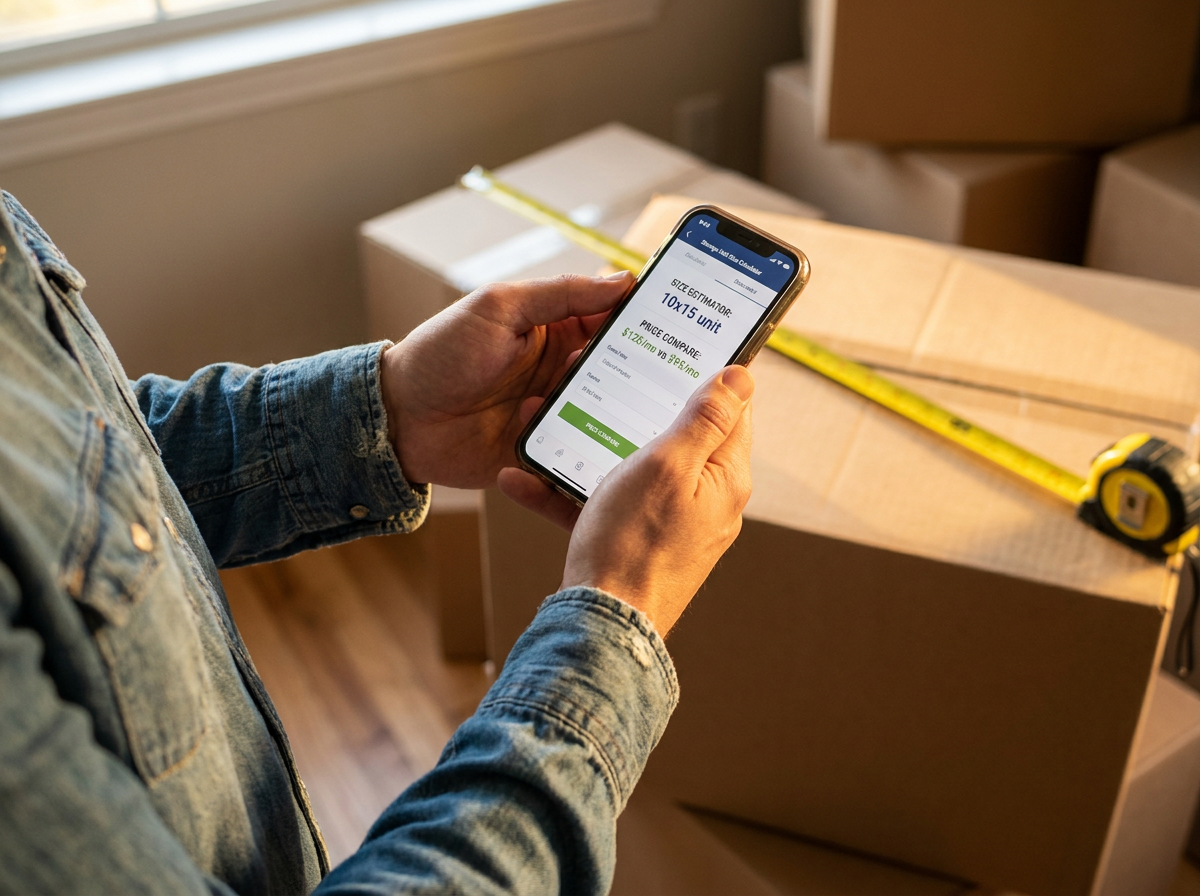
Use this step-by-step process to determine your optimal storage unit size without overpaying.
Step 1: List all items going into storage. Include furniture dimensions for pieces larger than a nightstand.
Step 2: Count your boxes. Add 20 percent to account for forgotten items.
Step 3: Identify your largest single item. This sets your minimum unit width.
Step 4: Use the room equivalent method. One bedroom equals approximately 100 square feet of storage.
Step 5: Consider access frequency. Items you need monthly require aisle space; long-term storage can pack tighter.
Step 6: Reserve one size smaller than your estimate. Upgrade within 30 days if needed.
Have questions about which size fits your needs? Our storage FAQ answers common questions, or contact our team by phone, text, or email for personalized recommendations.
Reserve Your Storage Unit Online
Snowmass Self Storage offers unit sizes from 6x5 lockers to 19x35 drive-up spaces, with rates 15 to 30 percent lower than in-town Aspen facilities. All rentals are month-to-month with no deposit required. You can reserve your storage unit online in 60 seconds with instant confirmation and same-day move-in availability.
Located at 26870 Highway 82 in Old Snowmass, we serve Aspen, Snowmass Village, Woody Creek, Basalt, Carbondale, and Glenwood Springs. Our facility features 24/7 access, digital video surveillance, and Spanish-speaking staff available seven days a week.
|