Storage Unit Sizes: Complete Guide to Choosing the Right Size |
| STORAGE UNITS SIZE
⏱ 14 min read ·
📄 #2,637 words
Storage unit sizes range from 5x5 to 10x30 feet. Learn what fits in each size, how to choose the right unit, and compare dimensions with our complete guide.
|
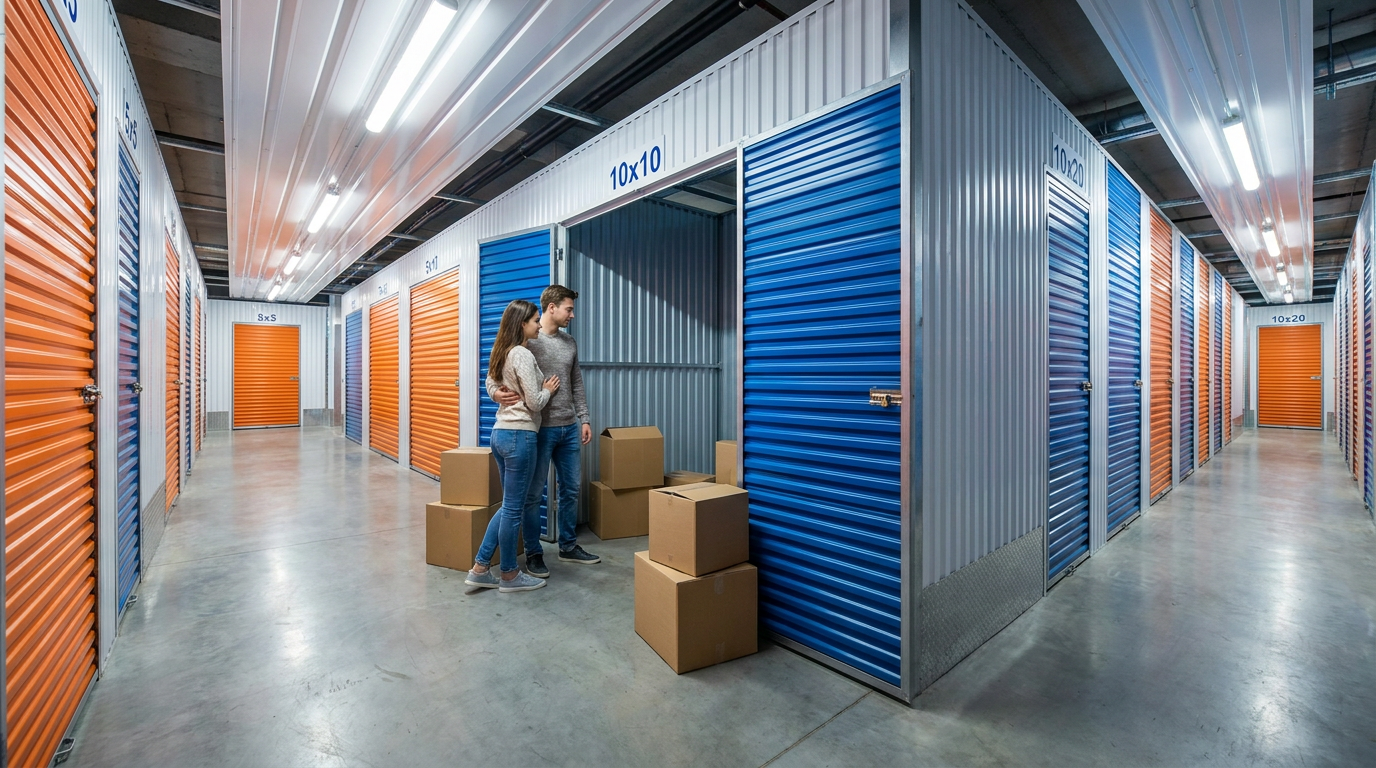
S torage unit sizes range from 25 square feet (5x5) to 300 square feet (10x30), with the most popular size being 10x10 at 100 square feet. A 5x5 unit holds about 10 boxes, a 10x10 fits a one-bedroom apartment, and a 10x20 accommodates a three-bedroom home or vehicle storage.
| Key Points: | |
|---|---|
| • | Standard sizes include 5x5, 5x10, 5x15, 10x10, 10x15, 10x20, and 10x30 feet |
| • | The 10x10 unit (100 sq ft) is the most rented size nationwide, fitting 1-2 bedrooms of furniture |
| • | Prices typically range from $50-75/month for 5x5 units to $200-400/month for 10x20 units |
| • | Ceiling heights vary from 8-12 feet; always verify dimensions before renting |
| • | Drive-up units cost 10-20% more than interior units but offer easier loading access |
Storage Unit Size Chart: Complete Dimensions and Capacity
Understanding storage unit dimensions helps you avoid paying for unused space or cramming belongings into a unit that is too small. According to the Self Storage Association, the average American renter underestimates their space needs by 15-20%, leading to costly unit upgrades mid-lease.
The table below shows standard storage unit sizes, their square footage, and what each size typically holds. These measurements represent industry standards used by facilities including Public Storage, Extra Space Storage, U-Haul, and CubeSmart.
| Unit Size | Square Feet | Comparable To | Best For |
|---|---|---|---|
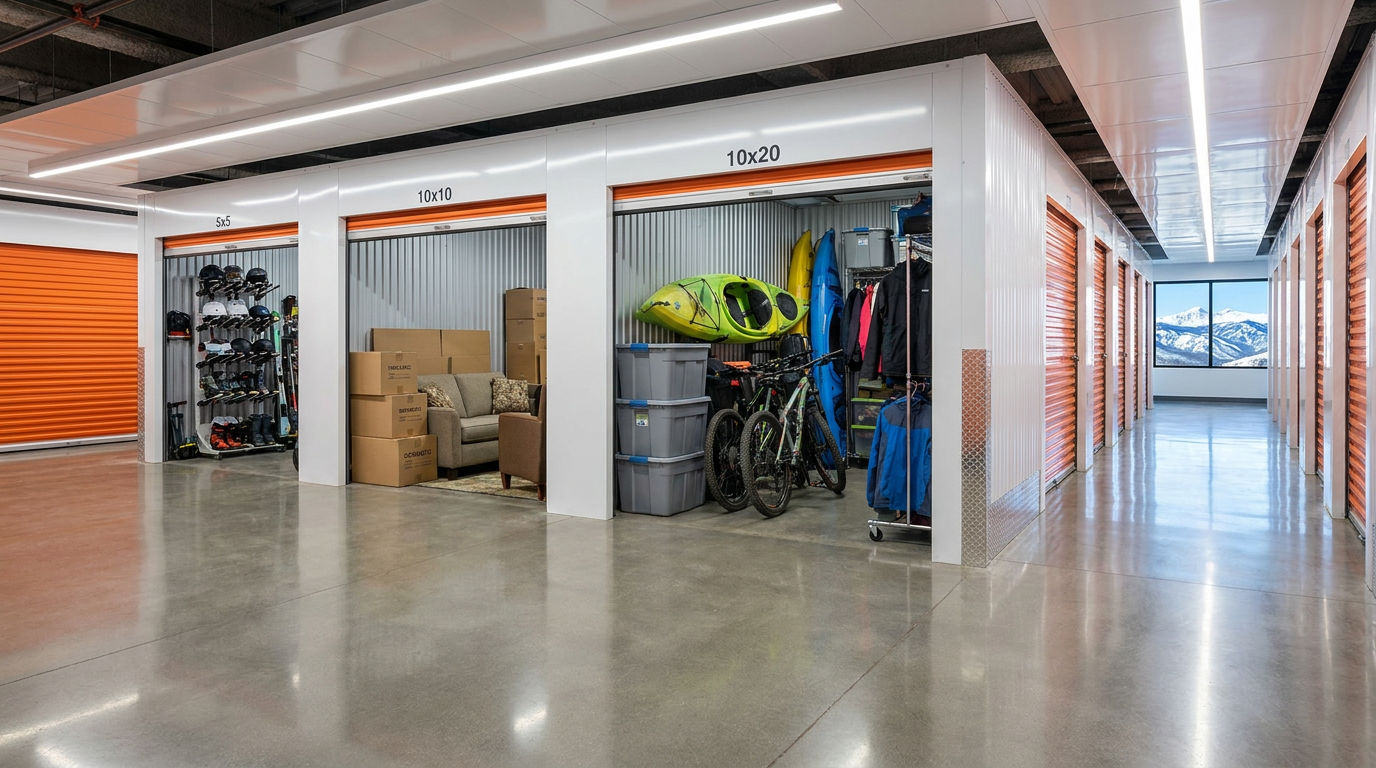
| 5x5 | 25 sq ft | Small walk-in closet | Boxes, seasonal items, small furniture |
| 5x10 | 50 sq ft | Walk-in closet | Studio apartment, mattress set, dresser |
| 5x15 | 75 sq ft | Large walk-in closet | One-bedroom apartment contents |
| 10x10 | 100 sq ft | Half of a one-car garage | Two-bedroom apartment, small office |
| 10x15 | 150 sq ft | Large bedroom | Two-bedroom house, vehicle storage |
| 10x20 | 200 sq ft | One-car garage | Three-bedroom house, car, SUV |
| 10x25 | 250 sq ft | Large one-car garage | Four-bedroom house, boat storage |
| 10x30 | 300 sq ft | Two-car garage | Large home, RV, commercial inventory |
How Big Is a 10x10 Storage Unit?
A 10x10 storage unit measures 10 feet wide by 10 feet deep, providing 100 square feet of floor space. With standard ceiling heights of 8-10 feet, total cubic capacity ranges from 800-1,000 cubic feet. This size is the industry's most popular option, accounting for approximately 25% of all storage rentals according to Neighbor.com's 2024 storage industry analysis.
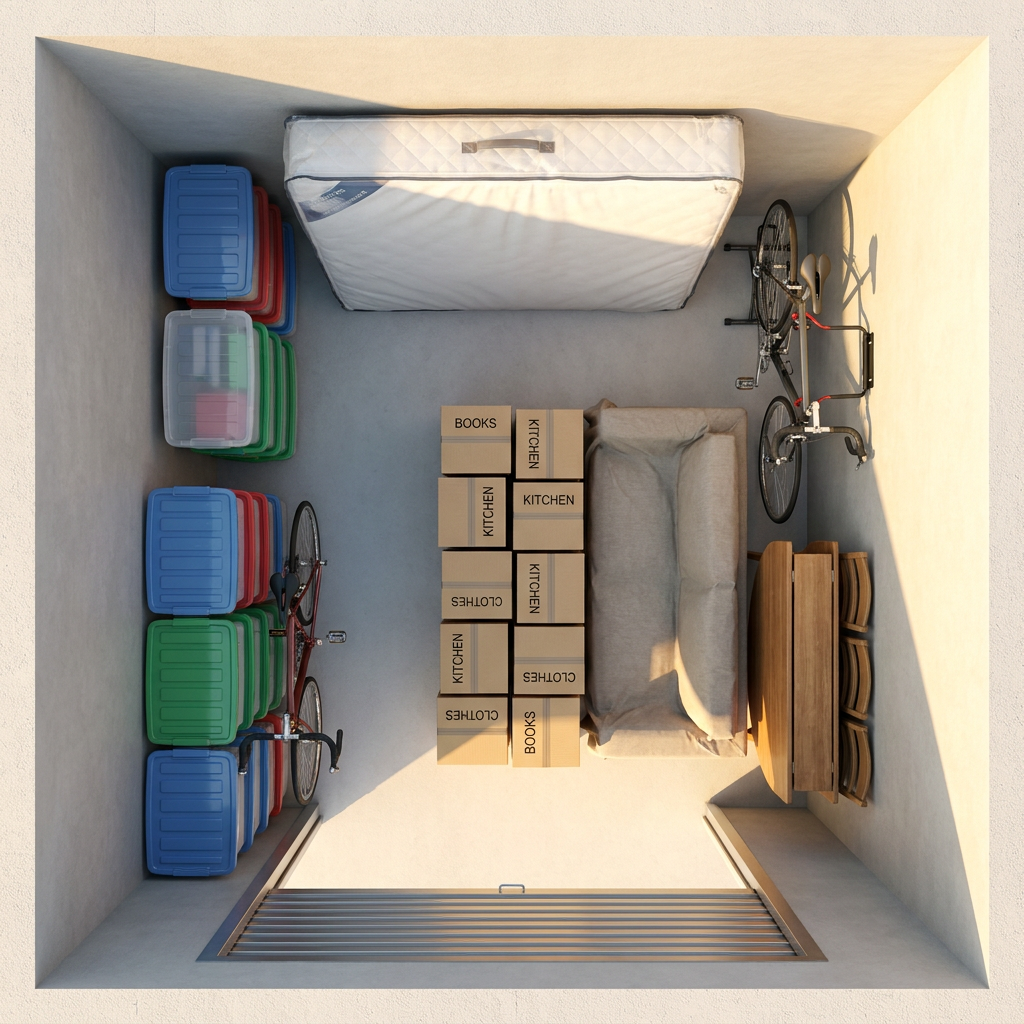
A 10x10 unit typically holds the contents of a one to two-bedroom apartment. Specific capacity includes: a queen or king mattress set, a sofa, a dining table with four chairs, a dresser, a TV stand, and 20-30 medium moving boxes. The unit works well for homeowners between residences or those downsizing temporarily.
Are 10x10 Storage Units Actually 10x10?
Not always. Interior dimensions often measure slightly smaller than advertised due to wall thickness, support beams, and door framing. A unit marketed as 10x10 may measure 9 feet 6 inches by 9 feet 8 inches in actual usable space. This variance reduces floor space by 3-5%.
Before signing a lease, request exact interior measurements or visit the facility to measure yourself. Reputable facilities like those operated by Public Storage, CubeSmart, and Extra Space Storage typically disclose actual dimensions in rental agreements. Our storage unit size guide provides exact measurements for every unit we offer.
What Fits in Each Storage Unit Size
Choosing the right size depends on what you plan to store. The following breakdown shows specific item capacities for each standard unit size, helping you visualize exactly what fits.
5x5 Storage Unit (25 Square Feet)
A 5x5 unit equals a small walk-in closet or about the size of a standard bathroom. This compact space holds approximately 10-12 medium moving boxes stacked to ceiling height. Common uses include: seasonal decorations, sporting equipment, small furniture pieces, college student belongings during summer break, and document storage.
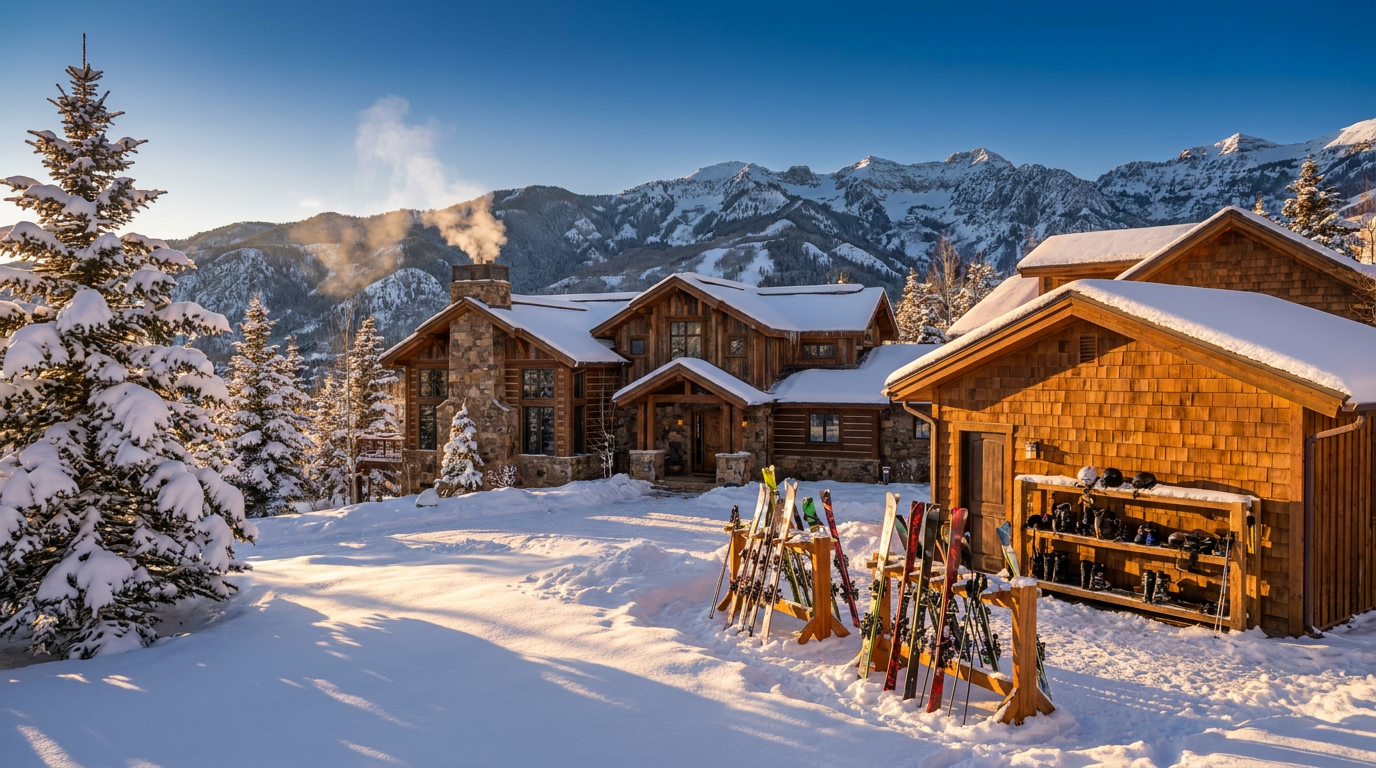
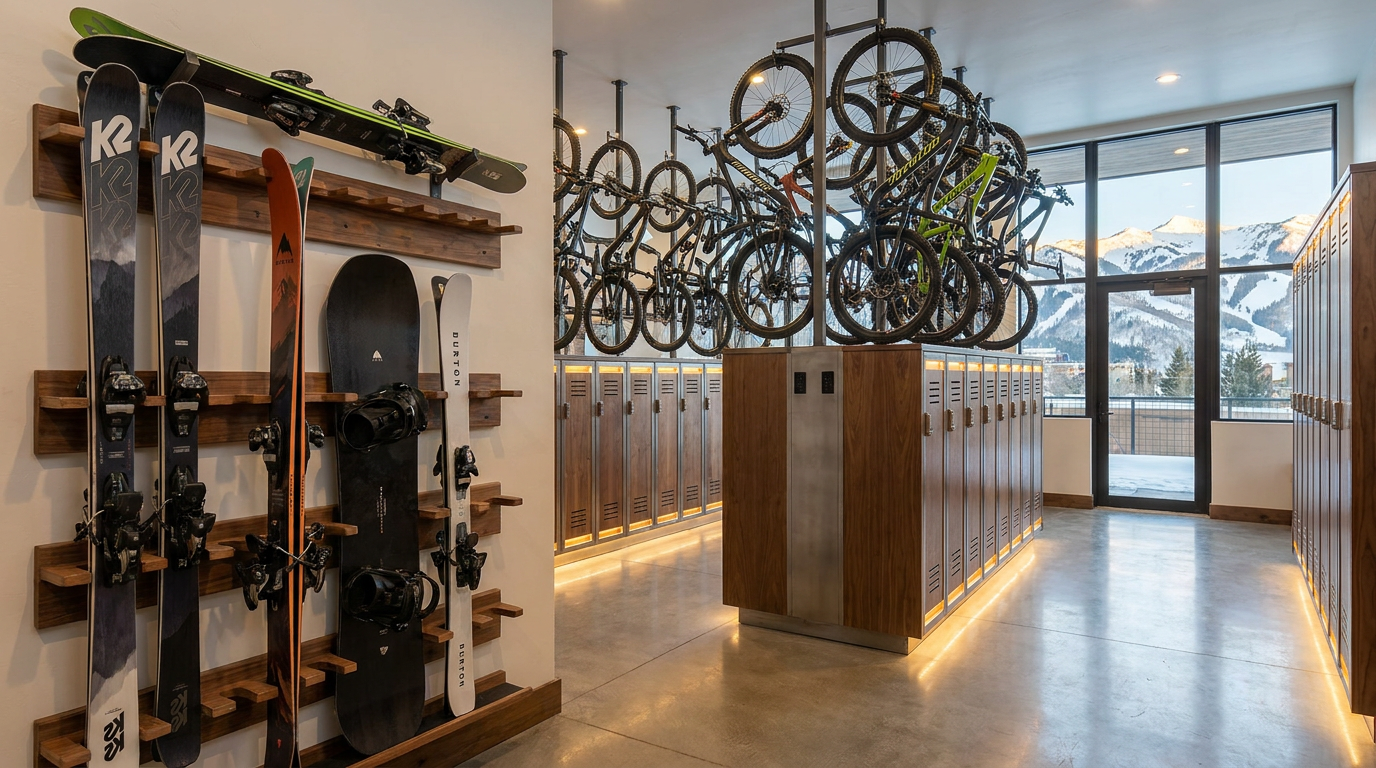
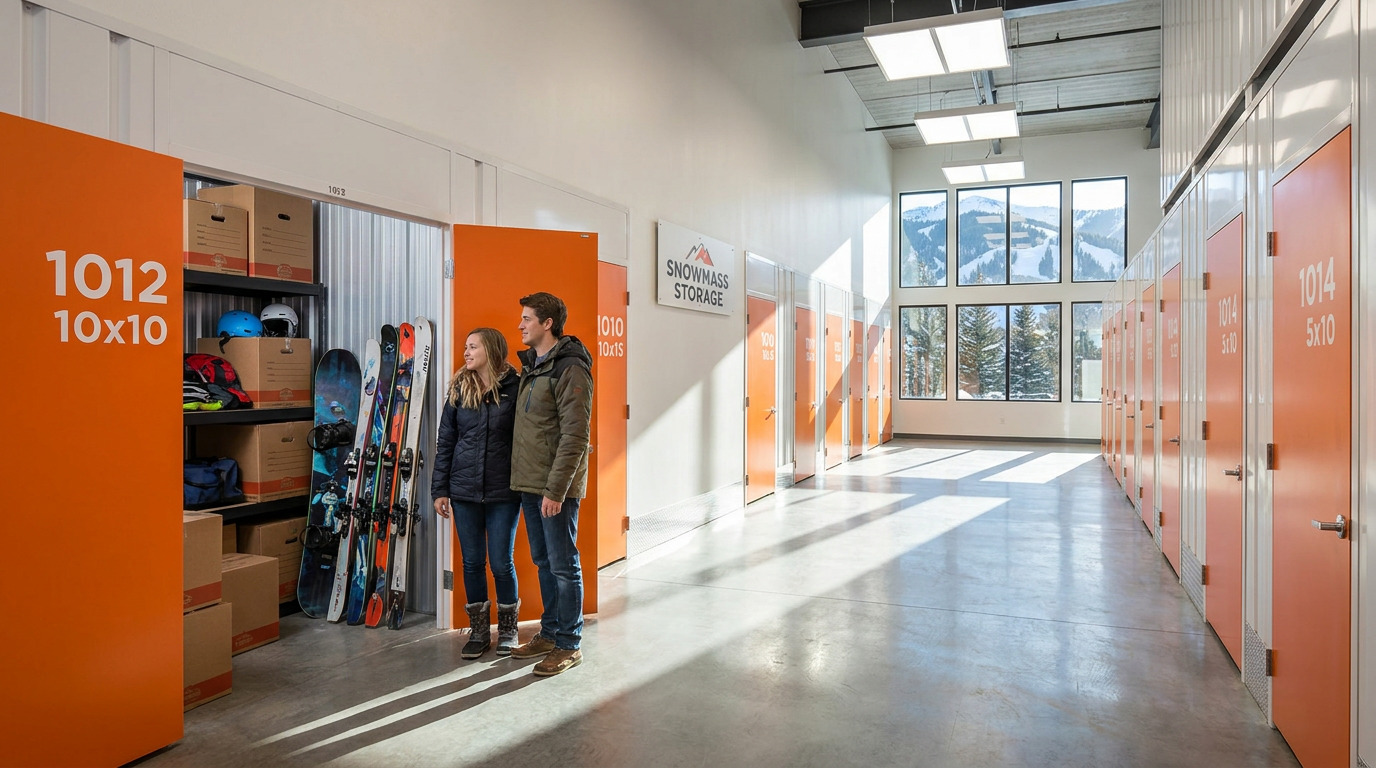
Specific items that fit: one twin mattress, a small dresser, a nightstand, a bicycle, 2-3 sets of golf clubs, or 4-6 pairs of skis with boots. For Roaring Fork Valley residents storing ski gear and summer equipment, a 5x5 provides adequate space for one person's seasonal rotation.
5x10 Storage Unit (50 Square Feet)
A 5x10 unit measures half the size of a standard parking space. This size accommodates a studio apartment or one full room of furniture. Capacity includes: a queen mattress set, a loveseat or small sofa, a dresser, a small dining table with two chairs, and 15-20 boxes.
The 5x10 works well for apartment dwellers between leases, homeowners storing a guest bedroom during renovation, or small business owners with moderate inventory. Monthly costs typically range from $75-150 depending on location and climate control features.
10x10 Storage Unit (100 Square Feet)
The 10x10 represents the storage industry's sweet spot, balancing capacity with affordability. This size holds the contents of a typical two-bedroom apartment or approximately 3 rooms of furniture. A complete inventory includes: a king mattress set, a full sofa, a loveseat, a coffee table, two dressers, a dining table with six chairs, a TV stand, and 30-40 boxes.
For families relocating within the Aspen or Snowmass area, a 10x10 provides sufficient space during the transition period. Affordable storage options near Aspen offer this size at rates 15-30% below in-town facilities.
10x15 Storage Unit (150 Square Feet)
A 10x15 unit equals a large bedroom and holds the contents of a two-bedroom house with a garage. This size accommodates: all items from a 10x10 plus a washer, dryer, refrigerator, patio furniture, and additional boxes. Vehicle storage becomes possible; most compact cars and motorcycles fit comfortably.
Business owners frequently choose 10x15 units for inventory storage, equipment, and archived documents. The additional depth allows for organized shelving systems and clear walkways for frequent access.
10x20 Storage Unit (200 Square Feet)
A 10x20 unit matches the dimensions of a standard one-car garage. This size stores a three to four-bedroom home's contents or provides dedicated vehicle storage. Capacity includes: all household furniture, major appliances, outdoor equipment, and a mid-sized car, truck, or SUV.
For Roaring Fork Valley contractors and construction companies, 10x20 units provide secure storage between job sites. The drive-up configuration allows direct loading of tools, materials, and equipment without navigating hallways.
10x30 Storage Unit (300 Square Feet)
The 10x30 represents the largest standard storage size, equivalent to a two-car garage. This unit accommodates a five-bedroom house, commercial inventory, or large vehicles including boats up to 25 feet and RVs up to 28 feet. Businesses use this size for retail overflow, restaurant equipment storage, and seasonal merchandise.
How Much Does Storage Unit Size Affect Price?
Storage pricing follows a predictable pattern: larger units cost more total but less per square foot. According to Extra Space Storage's 2025 pricing data, the national average cost per square foot decreases as unit size increases.
| Unit Size | National Average (Monthly) | Cost Per Square Foot | Mountain Resort Areas |
|---|---|---|---|
| 5x5 | $50-75 | $2.00-3.00 | $75-135 |
| 5x10 | $75-125 | $1.50-2.50 | $125-200 |
| 10x10 | $100-175 | $1.00-1.75 | $175-350 |
| 10x15 | $150-225 | $1.00-1.50 | $250-450 |
| 10x20 | $200-350 | $1.00-1.75 | $350-600 |
| 10x30 | $300-500 | $1.00-1.65 | $500-800 |
Mountain resort areas including Aspen, Vail, Park City, and Jackson Hole command premium pricing due to limited real estate and high demand. Facilities located 10-15 minutes outside town centers typically offer rates 15-30% lower than in-town options with equivalent security and access features.
5x10 vs 10x5 Storage Unit: Is There a Difference?
Both configurations provide 50 square feet of floor space, but the shape affects usability. A 5x10 unit measures 5 feet wide by 10 feet deep, creating a narrow, rectangular space. A 10x5 unit measures 10 feet wide by 5 feet deep, creating a wider, shallower footprint.
The 10x5 configuration offers easier access to all items without moving boxes to reach the back. However, the 5x10 layout accommodates longer items like sofas, mattresses, and skis more efficiently. Most facilities offer the 5x10 configuration as the industry standard.
How to Choose the Right Storage Unit Size
Selecting the correct size requires evaluating your inventory, access needs, and budget. Follow this decision framework to avoid common sizing mistakes.
Step 1: Create an Inventory List
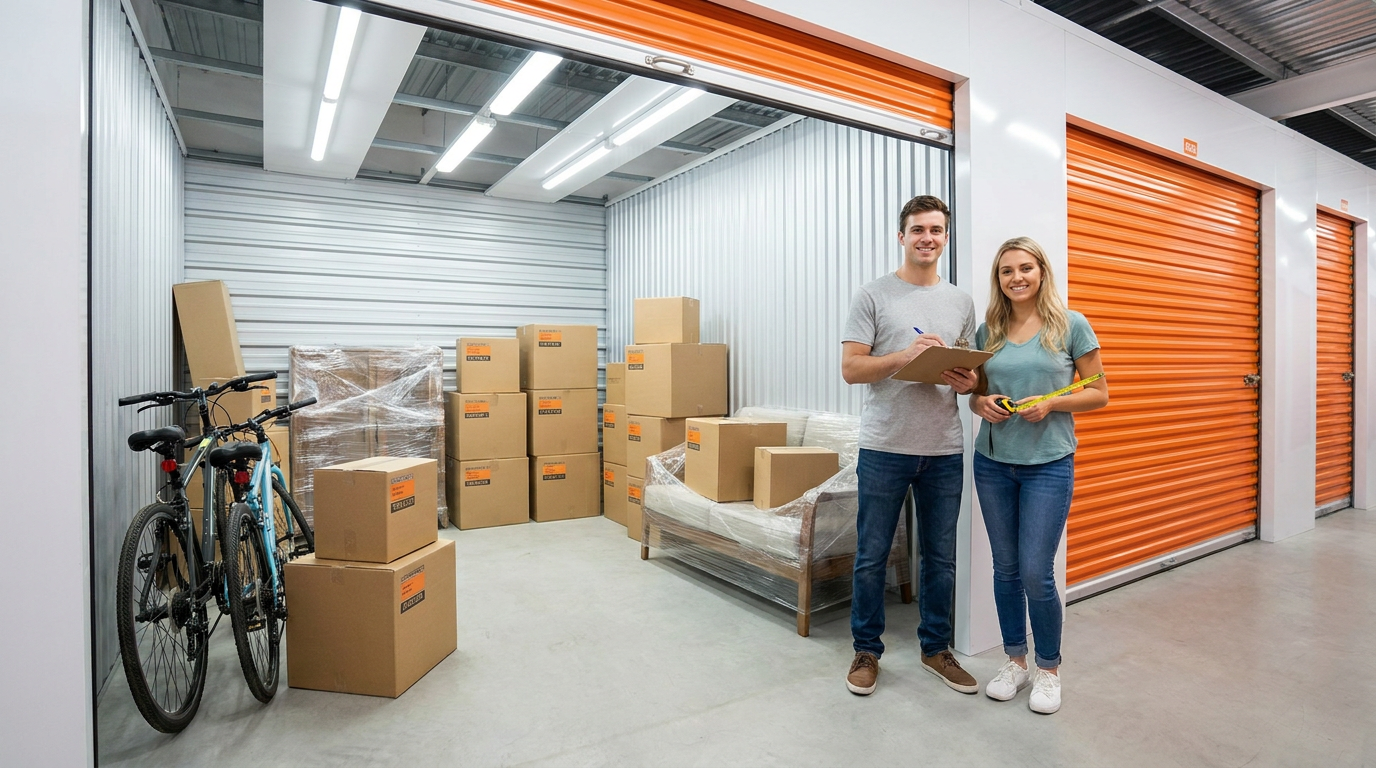
Document every item you plan to store. Group items by category: furniture, appliances, boxes, sporting equipment, and vehicles. Note dimensions for large or irregularly shaped items. This inventory becomes your sizing reference and helps with insurance documentation.
Step 2: Calculate Required Square Footage
Use this room-based estimation method:
- Studio apartment: 5x5 to 5x10 (25-50 sq ft)
- One-bedroom apartment: 5x10 to 5x15 (50-75 sq ft)
- Two-bedroom apartment: 10x10 (100 sq ft)
- Two-bedroom house: 10x10 to 10x15 (100-150 sq ft)
- Three-bedroom house: 10x15 to 10x20 (150-200 sq ft)
- Four-bedroom house: 10x20 to 10x25 (200-250 sq ft)
- Five-bedroom house: 10x25 to 10x30 (250-300 sq ft)
Step 3: Add 10-20% Buffer Space
Always size up slightly. A buffer allows for walkway access, vertical stacking without crushing items, and unexpected additions. Cramming a unit to maximum capacity damages belongings and makes retrieval difficult. The small additional monthly cost prevents larger problems.
Step 4: Consider Access Frequency
If you need regular access to specific items, choose a slightly larger unit that allows organization with clear pathways. Seasonal storage with infrequent access can use tighter packing. For frequent access needs, our storage FAQ explains 24/7 access options.
Drive-Up vs Interior Storage: Size Considerations
Storage unit type affects how you use the space. Drive-up units allow vehicle access directly to the unit door, while interior units require navigating hallways with carts or dollies.
Drive-Up Storage Units
Drive-up units function like a personal garage. You park directly in front of your unit and load items without carrying them through a building. This configuration works best for heavy items, frequent access, and vehicle storage. Drive-up units typically cost 10-20% more than interior units of the same size.
For Roaring Fork Valley businesses needing regular inventory access, drive-up storage eliminates loading dock constraints. Business storage solutions with drive-up access streamline operations for ski shops, restaurants, and contractors.
Interior Storage Units
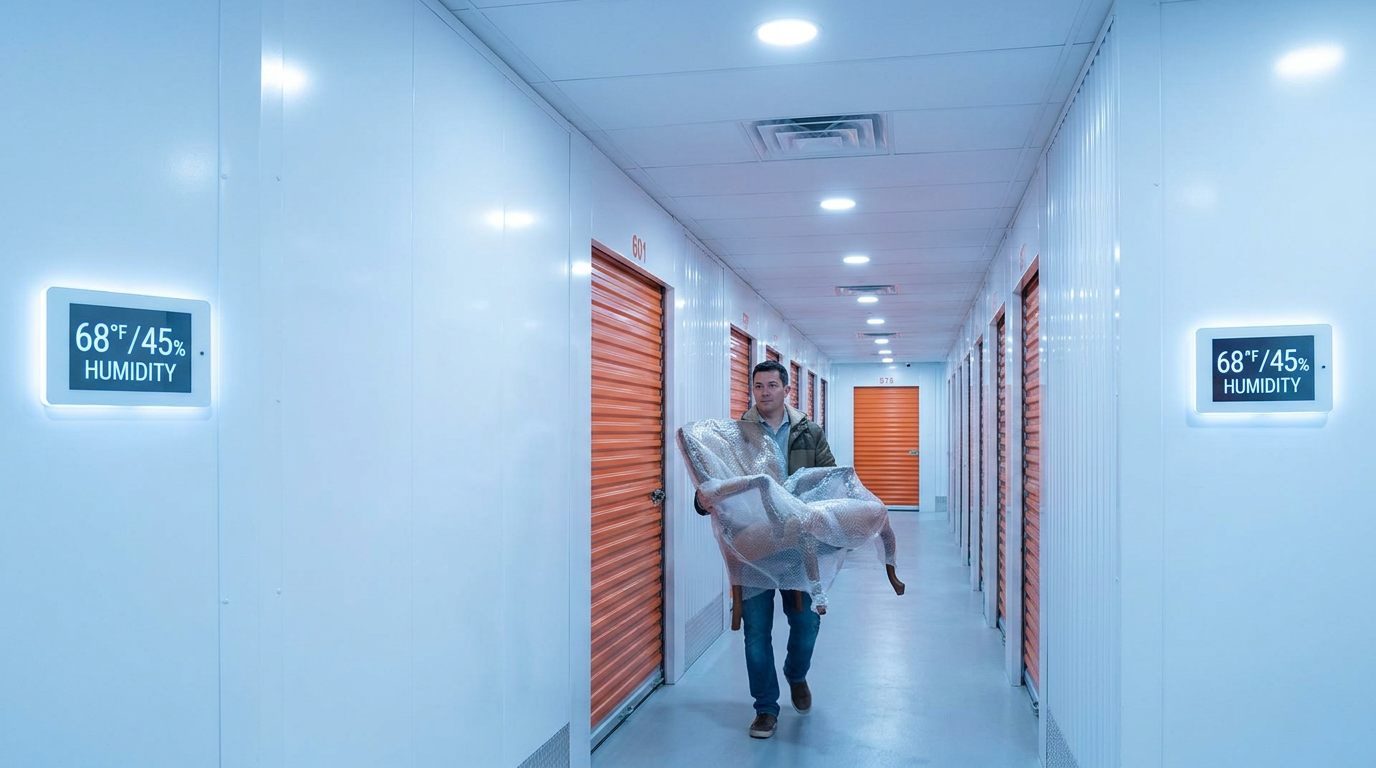
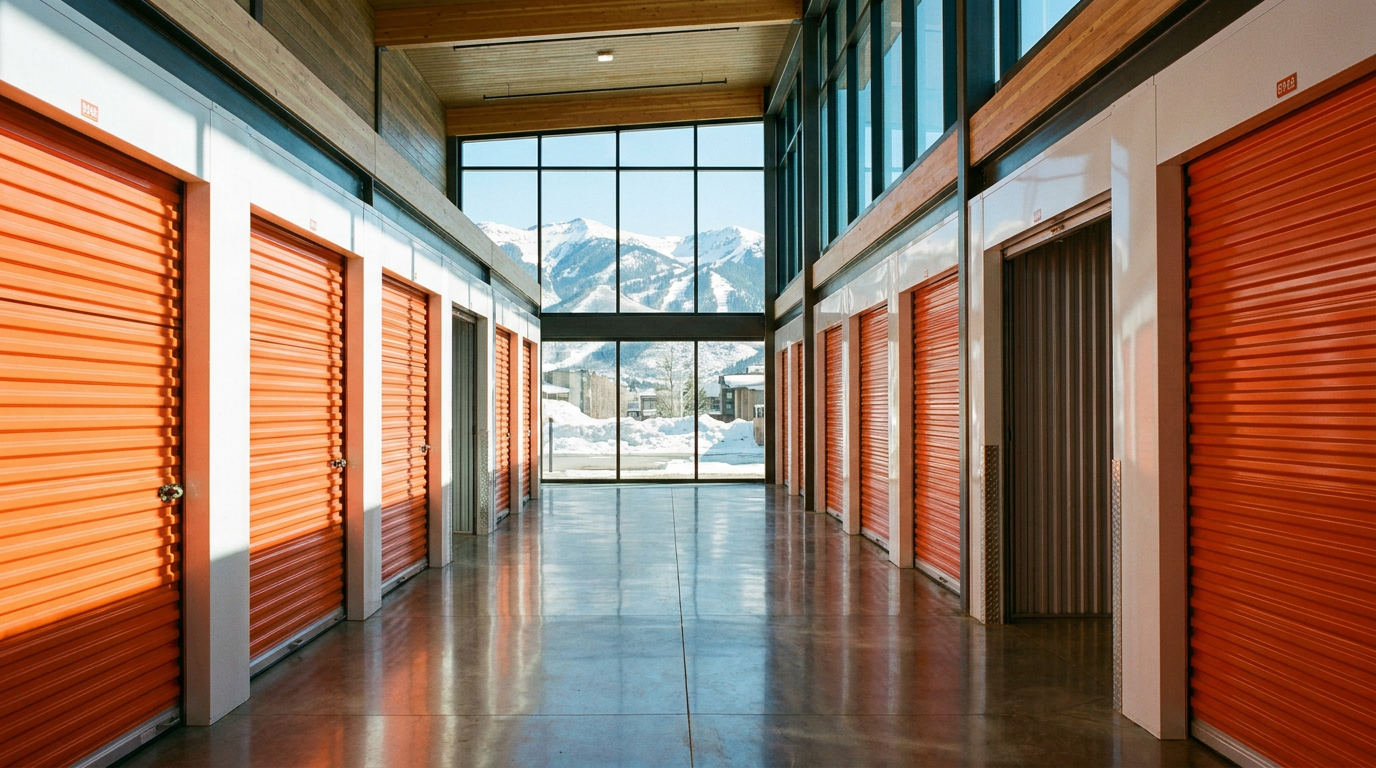
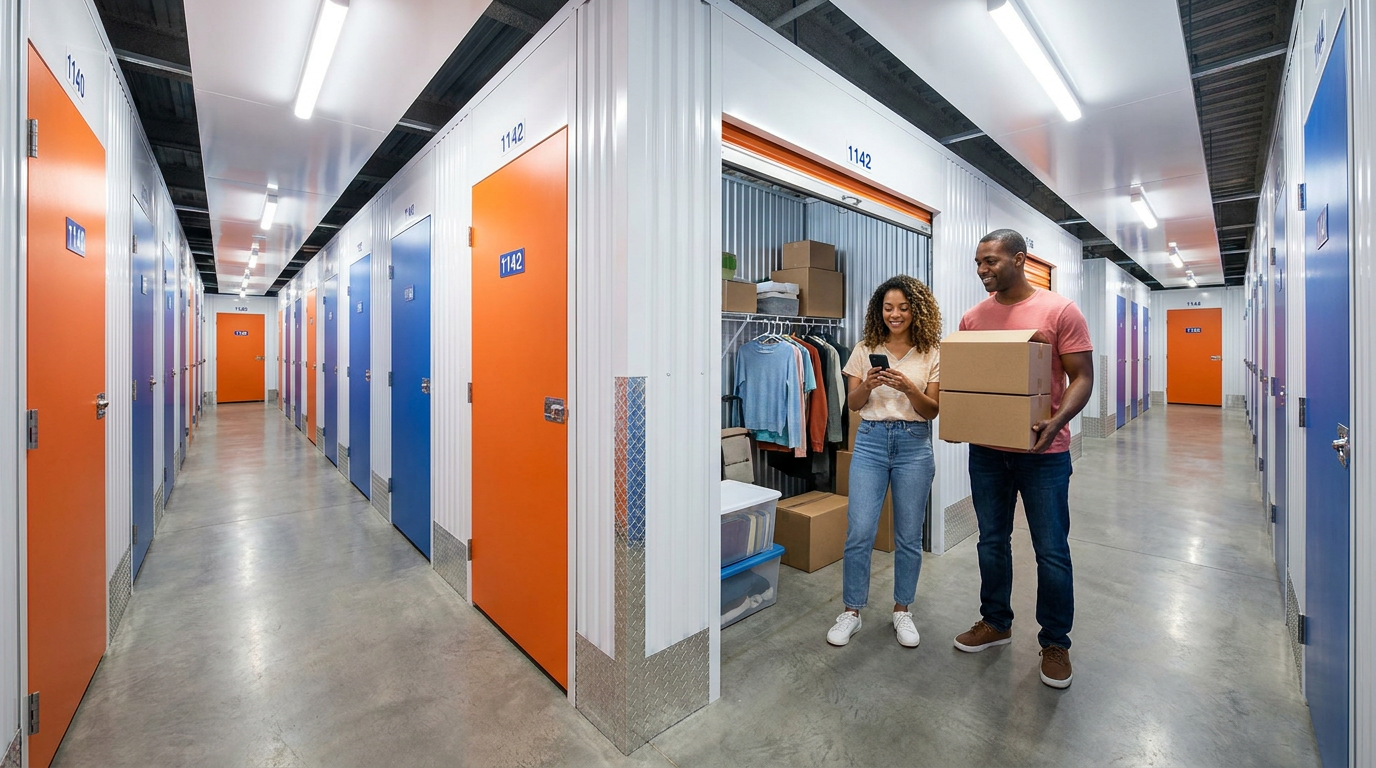
Interior units sit within a climate-controlled building, accessed via hallways and elevators. These units offer better protection from temperature extremes and weather. Interior storage suits temperature-sensitive items including electronics, documents, photographs, and wooden furniture.
The trade-off involves access convenience. Moving a sofa through hallways requires more effort than rolling it directly into a drive-up unit. Interior units work well for long-term storage with infrequent access needs.
Vehicle and RV Storage Sizes
Vehicle storage requires specific dimensions based on vehicle type. Standard parking spaces measure 9x18 feet, but storage units for vehicles need additional clearance for doors and access.
Car and Truck Storage
Most sedans and compact SUVs fit in a 10x15 unit (150 sq ft). Full-size trucks and large SUVs require 10x20 units (200 sq ft) minimum. Measure your vehicle's length, width with mirrors, and height before selecting a unit. Add 2-3 feet to each dimension for comfortable access.
Boat Storage
Boat storage sizing depends on vessel length including the trailer. A 16-foot boat with trailer needs approximately 10x25 (250 sq ft). Boats 20-24 feet require 10x30 units (300 sq ft) or larger. Covered storage protects gel coat and upholstery from UV damage.
RV and Motorhome Storage
Class C motorhomes (20-28 feet) fit in 10x30 or 12x30 units. Class A motorhomes (28-45 feet) require dedicated RV parking spaces or extra-large enclosed units. Height clearance matters; verify door height before booking. Standard units have 8-10 foot doors, while RV-specific facilities offer 12-14 foot clearances.
Snowmass Self Storage offers outdoor parking spaces from 10x20 to 12x43 feet for vehicles, boats, and RVs. View available parking and storage options with 24/7 access and electrical hookups.
Storage Unit Sizes for Mountain Living
Residents of mountain communities face unique storage challenges. Seasonal gear rotation, vacation rental furnishing storage, and contractor equipment needs differ from typical suburban storage use cases.
Ski and Winter Gear Storage
A family of four with complete ski setups (skis, boots, poles, helmets, goggles, outerwear) needs approximately 15-25 cubic feet of dedicated space. A 5x5 unit accommodates this gear plus snowshoes, sleds, and winter sports accessories. Compact locker units (25-35 sq ft) work well for individuals or couples.
Summer Equipment Storage
Mountain bikes, paddleboards, kayaks, and camping gear require more floor space due to awkward shapes. A single mountain bike needs 6 square feet; a kayak requires 15-20 square feet of floor space when stored horizontally. A 5x10 unit holds a family's complete summer recreation inventory.
Vacation Rental Furnishing Storage
Property managers rotating seasonal decor, extra furniture, and guest supplies typically need 10x10 to 10x15 units per property. Storing off-season items frees rental space and protects furnishings from guest wear during peak seasons.
Frequently Asked Questions About Storage Unit Sizes
What size do storage units come in?
Standard storage units range from 5x5 feet (25 sq ft) to 10x30 feet (300 sq ft). Common sizes include 5x5, 5x10, 5x15, 10x10, 10x15, 10x20, 10x25, and 10x30. Some facilities offer specialty sizes including 3x3 lockers, 6x10 units, and extra-large 20x20 spaces. Ceiling heights typically range from 8-12 feet.
How much will a 20x20 storage unit hold?
A 20x20 storage unit provides 400 square feet of floor space, equivalent to a large two-car garage. This size holds the complete contents of a 2,500-3,000 square foot home including all furniture, appliances, boxes, and garage items. With 10-foot ceilings, total capacity reaches 4,000 cubic feet. Commercial users store retail inventory, restaurant equipment, or construction materials in this size.
What can fit in a 20x20 storage unit?
A 20x20 unit accommodates: 4-5 bedroom sets, multiple sofas and living room furniture, a full kitchen's appliances, a dining set for 8-10 people, 100+ moving boxes, outdoor furniture, exercise equipment, and still leave room for a walkway. Alternatively, this size fits two vehicles or one vehicle plus household goods.
What is the most common storage unit size?
The 10x10 unit (100 sq ft) is the most rented storage size nationwide. This size balances capacity and cost, fitting the contents of a one to two-bedroom apartment at an affordable monthly rate. The 5x10 (50 sq ft) ranks second in popularity for customers storing smaller loads or single rooms of furniture.
How do I know if my stuff will fit?
Create an inventory list and use the room-based estimation method: allow 50 sq ft per room of furniture. Add 10-20% buffer for walkways and stacking space. When uncertain, choose the next size up. Most facilities allow unit transfers if you initially misjudge your needs. Our team can help you estimate; contact Snowmass Self Storage for personalized sizing assistance.
Should I get climate-controlled storage?
Climate control maintains temperatures between 55-80 degrees Fahrenheit year-round. Choose climate control for: wooden furniture, electronics, documents, photographs, musical instruments, wine, artwork, and leather goods. Standard units work fine for metal items, outdoor equipment, vehicles, and items tolerant of temperature swings. In mountain climates where winter temperatures drop below freezing, climate control prevents moisture damage and material stress.
Tips for Maximizing Your Storage Unit Space
Proper packing techniques increase effective capacity by 20-30%. Follow these strategies to get more from your chosen unit size.
Disassemble furniture: Remove table legs, bed frames, and shelving hardware. Flat components stack efficiently and reduce wasted space around awkward shapes.
Use uniform box sizes: Standard moving boxes (medium: 18x18x16 inches) stack securely without gaps. Avoid mixing random box sizes that create unstable towers and wasted space.
Stack strategically: Place heavy items on the bottom, lighter boxes on top. Fill dresser drawers and appliance interiors with soft goods and small items.
Create aisles: Leave a 2-foot walkway to access items without unpacking the entire unit. Place frequently needed items near the front.
Use vertical space: With 8-10 foot ceilings, stacking doubles your effective floor space. Use shelving units to organize boxes and prevent crushing.
For detailed organization strategies, read our guide on efficient storage organization solutions.
|