How to Choose the Right Storage Unit Size: Complete Guide |
| HOW TO CHOOSE THE RIGHT STORAGE UNIT SIZE
⏱ 15 min read ·
📄 #2,906 words
Learn exactly how to choose the right storage unit size with our complete guide. Includes size charts, what fits in each unit, and expert tips for 2026.
|
C hoose a storage unit size by measuring your largest items, calculating total square footage of belongings, then selecting a unit 15-25% larger than your estimate to allow walking space and future additions. A 10x10 unit fits a one-bedroom apartment, while a 10x20 unit accommodates a three-bedroom home.
| Key Points: | |
|---|---|
| • | Small units (5x5 to 5x10) cost $50-135/month and fit seasonal items, boxes, or one room of furniture |
| • | Medium units (10x10 to 10x15) cost $135-350/month and accommodate 1-3 bedroom apartments |
| • | Large units (10x20+) cost $275-500/month and hold entire homes, vehicles, or business inventory |
| • | Always add 15-25% extra space for aisle access and stacking limitations |
| • | Climate control adds $25-50/month but protects temperature-sensitive items from damage |
Storage Unit Size Chart: Quick Reference Guide
According to the Extra Space Storage size guide, storage units typically range from 25 to 300 square feet. The chart below shows standard dimensions, cubic footage, and typical uses for each size category.
| Unit Size | Square Feet | Cubic Feet | Best For |
|---|---|---|---|
| 5x5 | 25 sq ft | 200 cu ft | Boxes, seasonal items, small furniture |
| 5x10 | 50 sq ft | 400 cu ft | Studio apartment, mattress set, dresser |
| 5x15 | 75 sq ft | 600 cu ft | One-bedroom apartment contents |
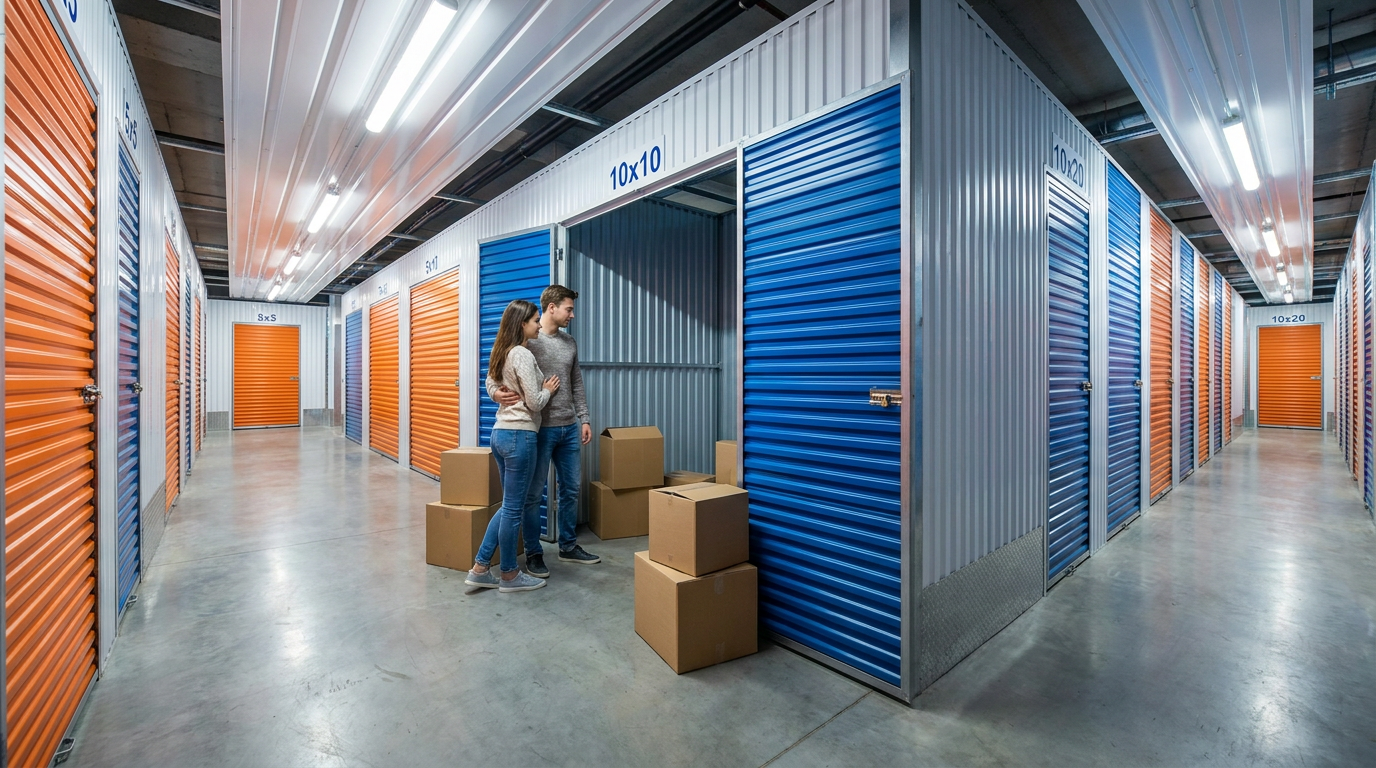
| 10x10 | 100 sq ft | 800 cu ft | Two-bedroom apartment, small office |
| 10x15 | 150 sq ft | 1,200 cu ft | Two to three-bedroom home |
| 10x20 | 200 sq ft | 1,600 cu ft | Three to four-bedroom home, vehicle |
| 10x25+ | 250+ sq ft | 2,000+ cu ft | Large home, business inventory, RV/boat |
Standard ceiling heights range from 8 to 10 feet, which affects cubic footage calculations. When comparing storage units near you, always confirm the actual dimensions since unit sizes can vary by 5-10% between facilities.
Step-by-Step Process to Calculate Your Storage Needs
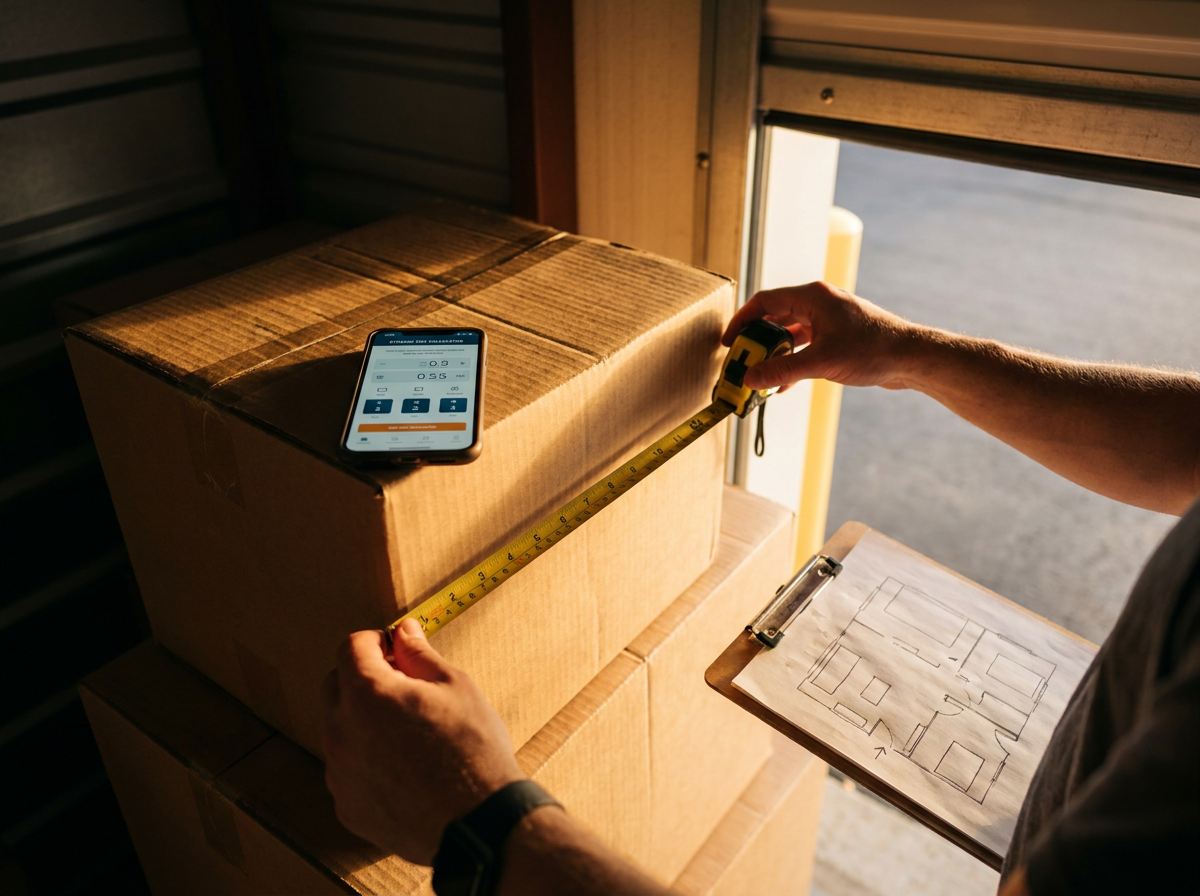
The StorageMart unit size guide recommends a systematic approach to calculating storage requirements. This four-step process prevents both overpaying for unused space and cramming items into an undersized unit.
Step 1: Create a Complete Inventory List
Walk through each room and document every item you plan to store. Group items by category: furniture, appliances, boxes, outdoor equipment, and seasonal items. This inventory becomes your baseline for accurate size estimation.
Include items currently in closets, garages, and attics. These forgotten spaces often contain 20-30% of total belongings. Note fragile items separately since they require additional protective space and cannot be stacked.
Step 2: Measure Large and Irregular Items
Measure the length, width, and height of sofas, mattresses, dining tables, and appliances. Record dimensions in inches, then convert to feet for square footage calculations. A standard queen mattress measures 60x80 inches (approximately 5x7 feet when stored upright).
For irregular items like exercise equipment, outdoor furniture, or musical instruments, measure the maximum dimensions in each direction. A Peloton bike requires approximately 4x2 feet of floor space, while a grand piano needs 5x7 feet minimum.
Step 3: Calculate Total Square Footage
Add the floor space required for each item, assuming efficient stacking where possible. Boxes stack well, but furniture pieces like sofas and dressers consume fixed floor space. A typical bedroom set (bed frame, mattress, dresser, nightstands) requires 35-45 square feet.
Use this formula: Total Square Footage = (Sum of all item footprints) x 1.20. The 20% multiplier accounts for walking aisles and air circulation between stacked items.
Step 4: Match to Available Unit Sizes
Compare your calculated square footage to available unit sizes. If your calculation falls between sizes, choose the larger option. A 95 square foot requirement fits better in a 10x10 (100 sq ft) than a 5x15 (75 sq ft) because the wider dimensions allow easier furniture placement.
Our storage unit size guide provides visual representations of what fits in each unit size, helping you match your inventory to the right dimensions.
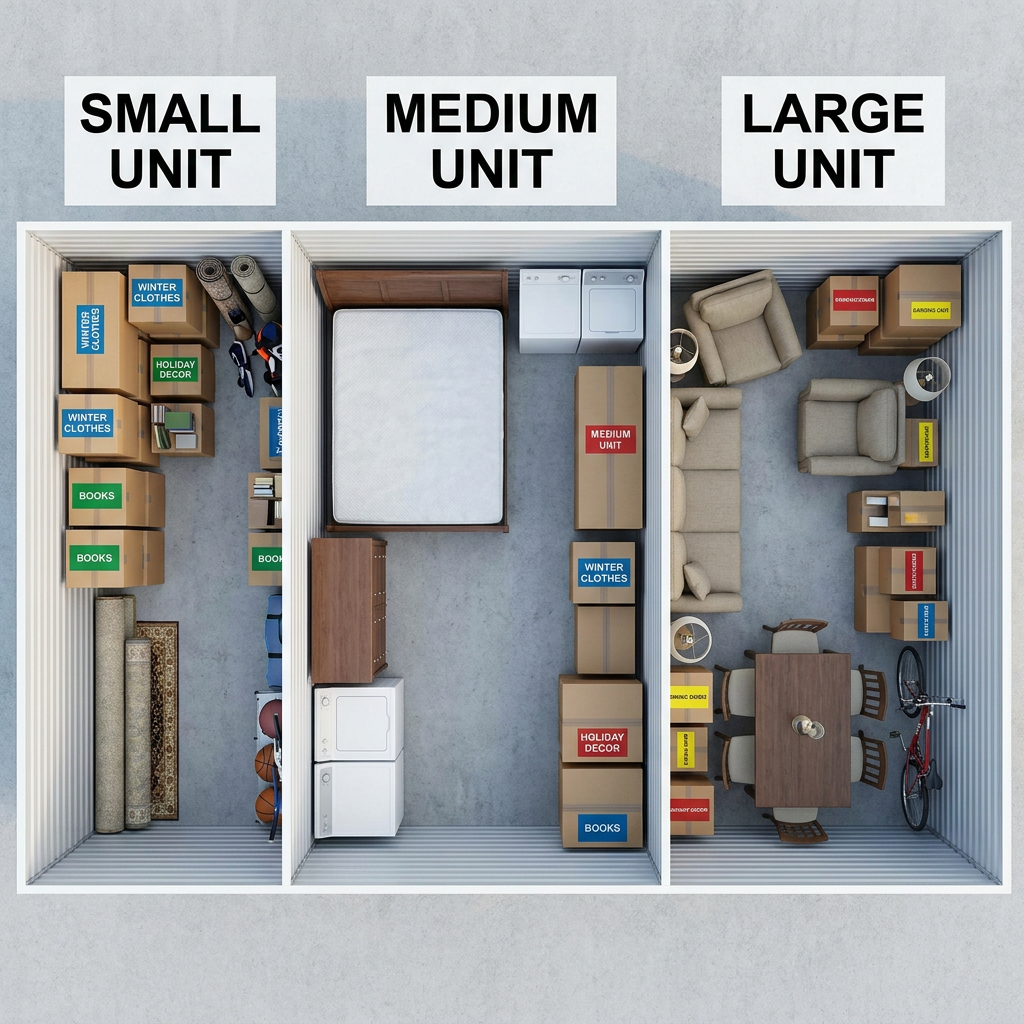
What Fits in Each Storage Unit Size
Understanding exactly what fits in each unit size eliminates guesswork. The following breakdowns reflect real-world capacity based on standard furniture dimensions and efficient packing methods.
What a 5x5 Storage Unit Fits
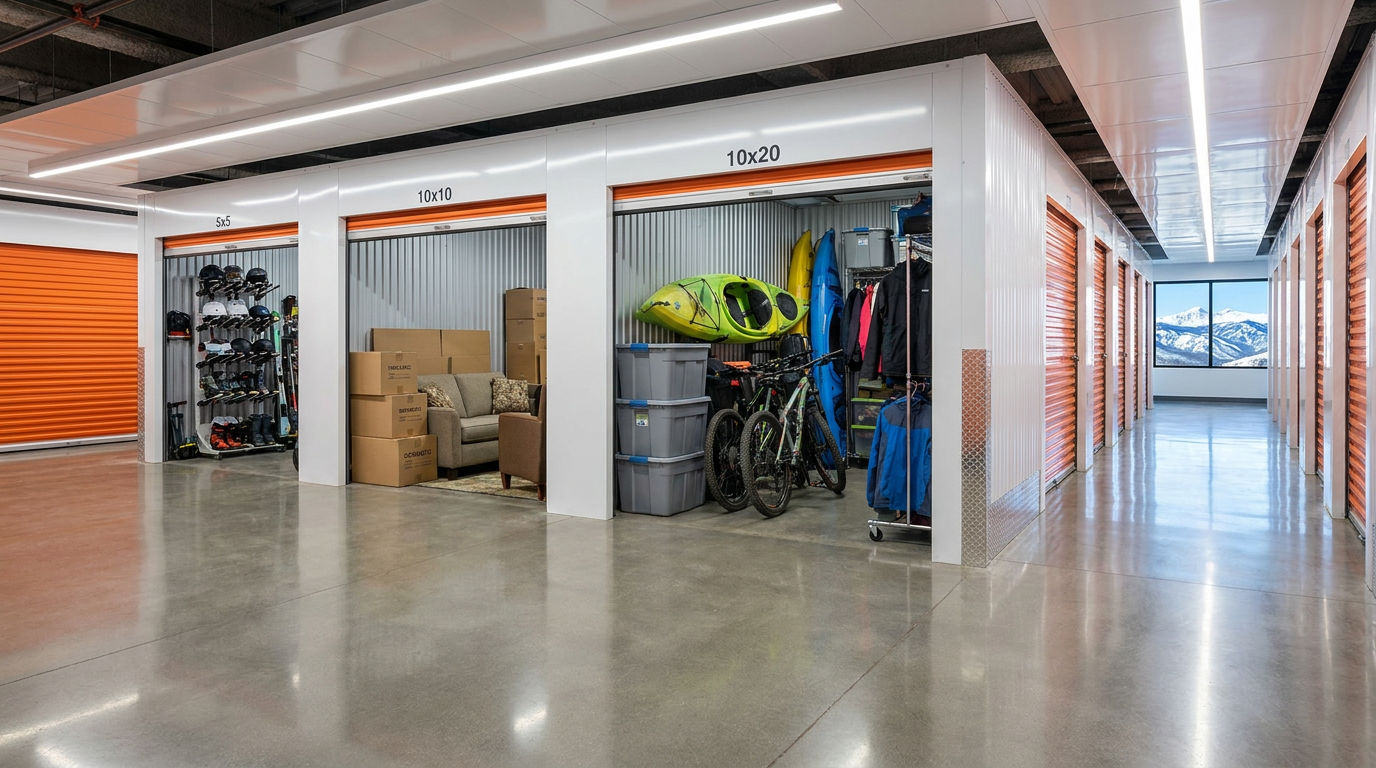
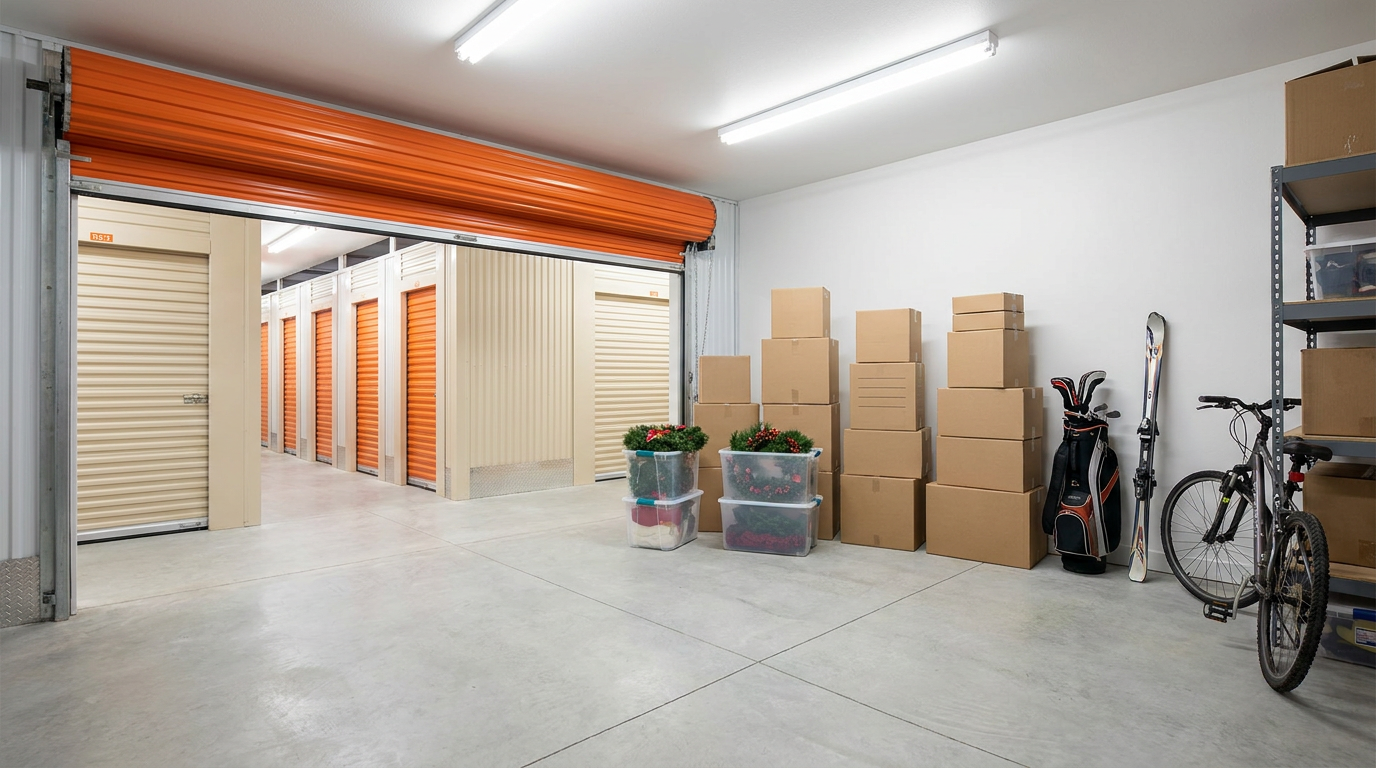
A 5x5 unit provides 25 square feet, equivalent to a large closet. This size accommodates 10-15 medium moving boxes, a twin mattress set, small dresser, and several storage bins. Seasonal items like holiday decorations, ski equipment, and camping gear fit comfortably.
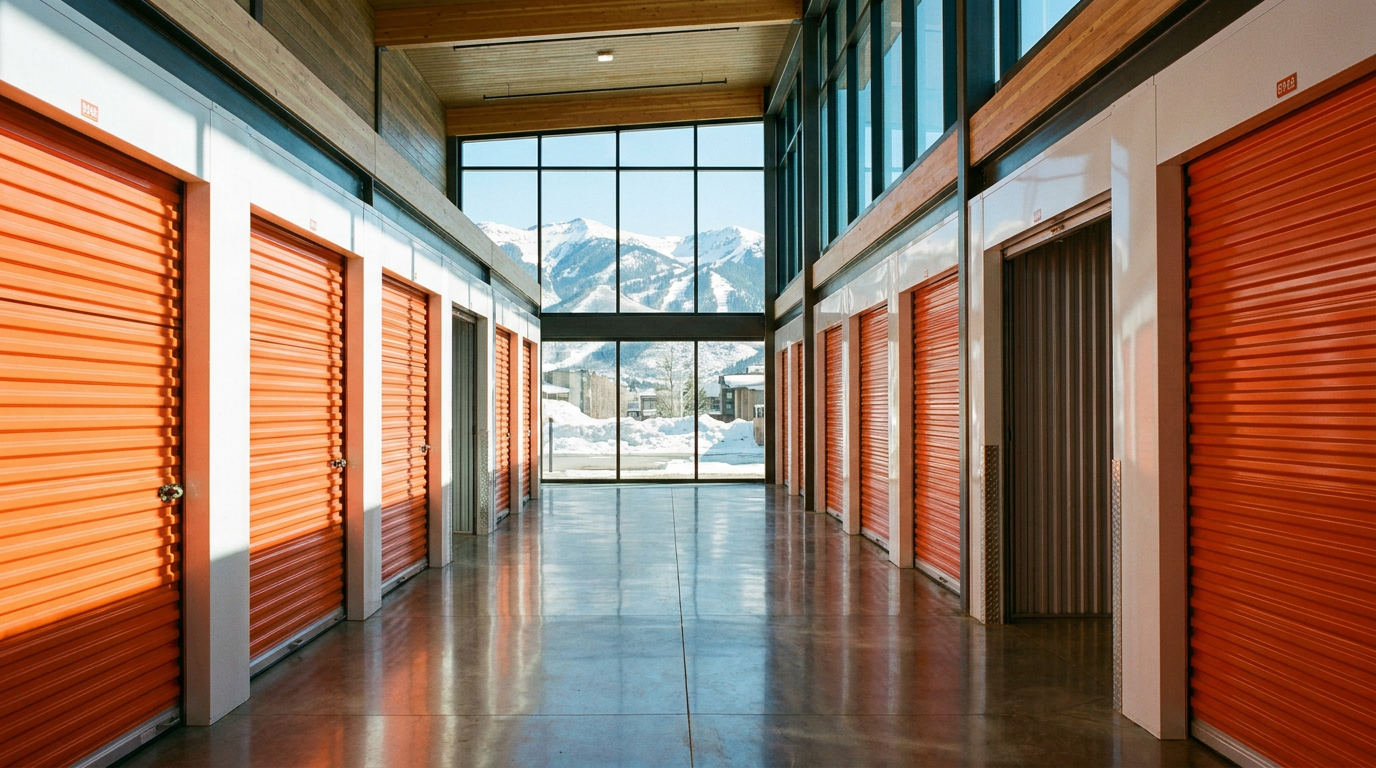
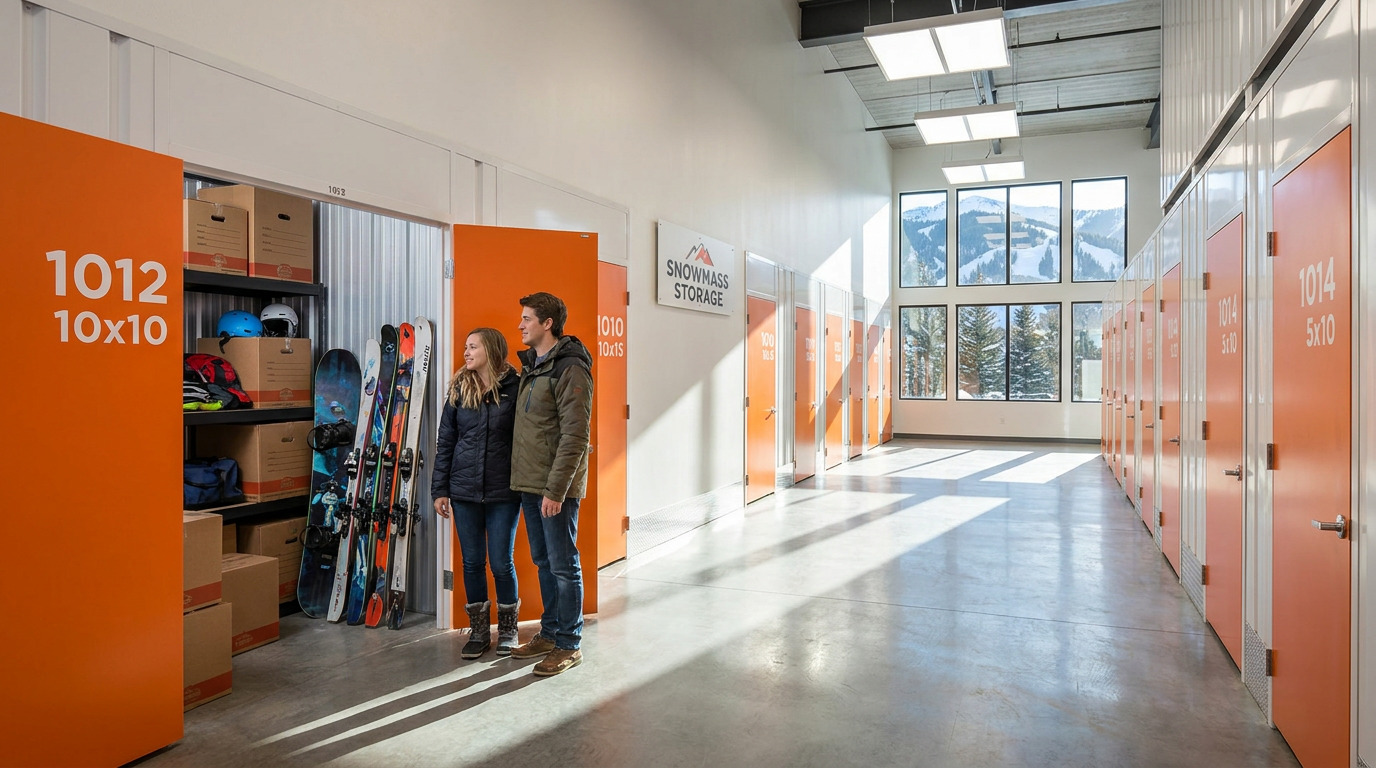
Business uses include document storage (approximately 50-75 file boxes), small inventory reserves, and marketing materials. At Snowmass Self Storage, our 6x5 Sky Locker at $135/month serves similar purposes with convenient indoor access.
What a 5x10 Storage Unit Fits
A 5x10 unit offers 50 square feet, comparable to a walk-in closet. Contents of a studio apartment or single bedroom fit here: queen mattress set, dresser, small desk, chair, and 15-20 boxes. This size works well for college students during summer breaks.
The narrow 5-foot width limits furniture arrangement options. Sofas and large dressers may need to stand on end. Plan your loading sequence carefully, placing items you need access to near the door.
What a 10x10 Storage Unit Fits
A 10x10 unit provides 100 square feet, the most popular size according to industry data from the Self Storage Association. This dimension accommodates a one to two-bedroom apartment: living room furniture set, bedroom set, dining table with chairs, and 30-40 boxes.
The square shape allows flexible furniture placement without standing items on end. Appliances like refrigerators and washing machines fit alongside furniture with room for a center aisle. Many facilities report 10x10 units represent 25-30% of total rentals.
What a 10x15 Storage Unit Fits
A 10x15 unit offers 150 square feet, suitable for a two to three-bedroom home. Full living room set, two complete bedroom sets, dining room furniture, and 50+ boxes fit with walking room. This size handles home staging during real estate sales.
Our 12x15 Interior Ground unit at $925/month includes lighting and power outlets, making it ideal for accessing items regularly or storing equipment that benefits from electrical access.
What a 10x20 Storage Unit Fits
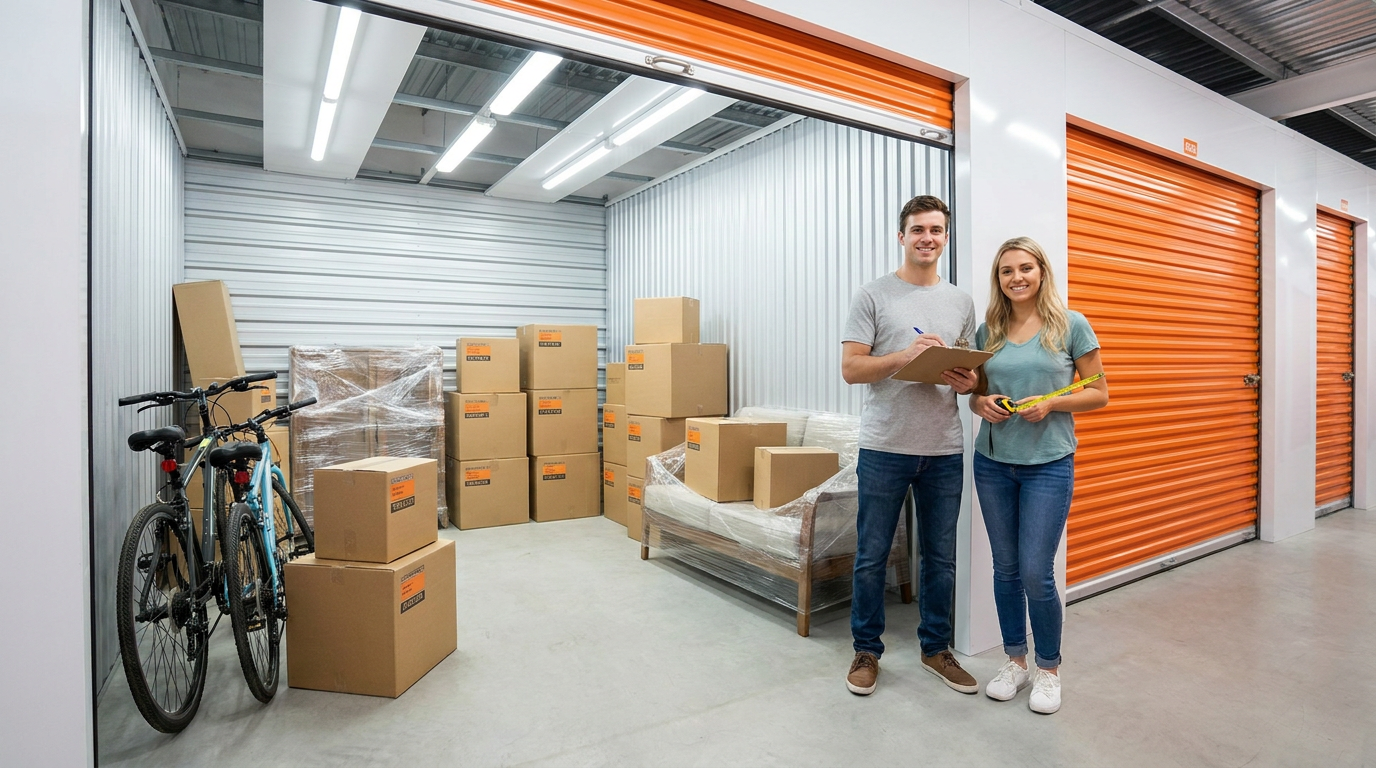
A 10x20 unit provides 200 square feet, enough for a three to four-bedroom home or a vehicle plus household items. Contents include multiple bedroom sets, full living and dining room furniture, appliances, and 60-80 boxes. Small businesses use this size for significant inventory storage.
The 20-foot length accommodates most passenger vehicles (average sedan length: 15-17 feet) with room for boxes and small furniture around the vehicle. Our 12x22 Drive-Up unit at $1,350/month features drive-up access, making vehicle storage and loading convenient.
Is a 10x20 Storage Unit Big Enough?
A 10x20 storage unit is big enough for most residential moves, holding the complete contents of a 1,500-2,000 square foot home. According to Public Storage's size guide, this size represents their largest standard residential option and satisfies approximately 85% of whole-home storage needs.
The 200 square feet of floor space translates to 1,600 cubic feet with standard 8-foot ceilings. Efficient stacking increases effective capacity by 40-60%. Place heavy, sturdy items on the bottom and lighter boxes on top, using furniture surfaces as additional stacking platforms.
Situations requiring larger than 10x20 include: homes exceeding 2,500 square feet, significant workshop or garage contents, multiple vehicles, or business inventory exceeding 100 cubic feet of product. Our 19x35 Drive-Up unit at $2,500/month provides 665 square feet for these larger requirements.
Are 10x10 Storage Units Actually 10x10?
Storage unit dimensions are nominal measurements, not exact specifications. A unit advertised as 10x10 typically measures between 9'6" x 9'6" and 10'2" x 10'2", representing a variance of 4-8% from stated dimensions. This practice follows industry standards established by the Self Storage Association.
Wall thickness, door frames, and construction methods cause minor dimensional variations. Interior walls may reduce usable width by 2-4 inches per side. Always request actual interior dimensions when precise fit matters, particularly for vehicles or large equipment.
Ceiling height also varies significantly between facilities. Standard heights range from 8 to 10 feet, with some facilities offering 12-foot ceilings in larger units. This height difference represents 20-50% more cubic footage, substantially affecting stacking capacity.
Special Considerations for Roaring Fork Valley Storage
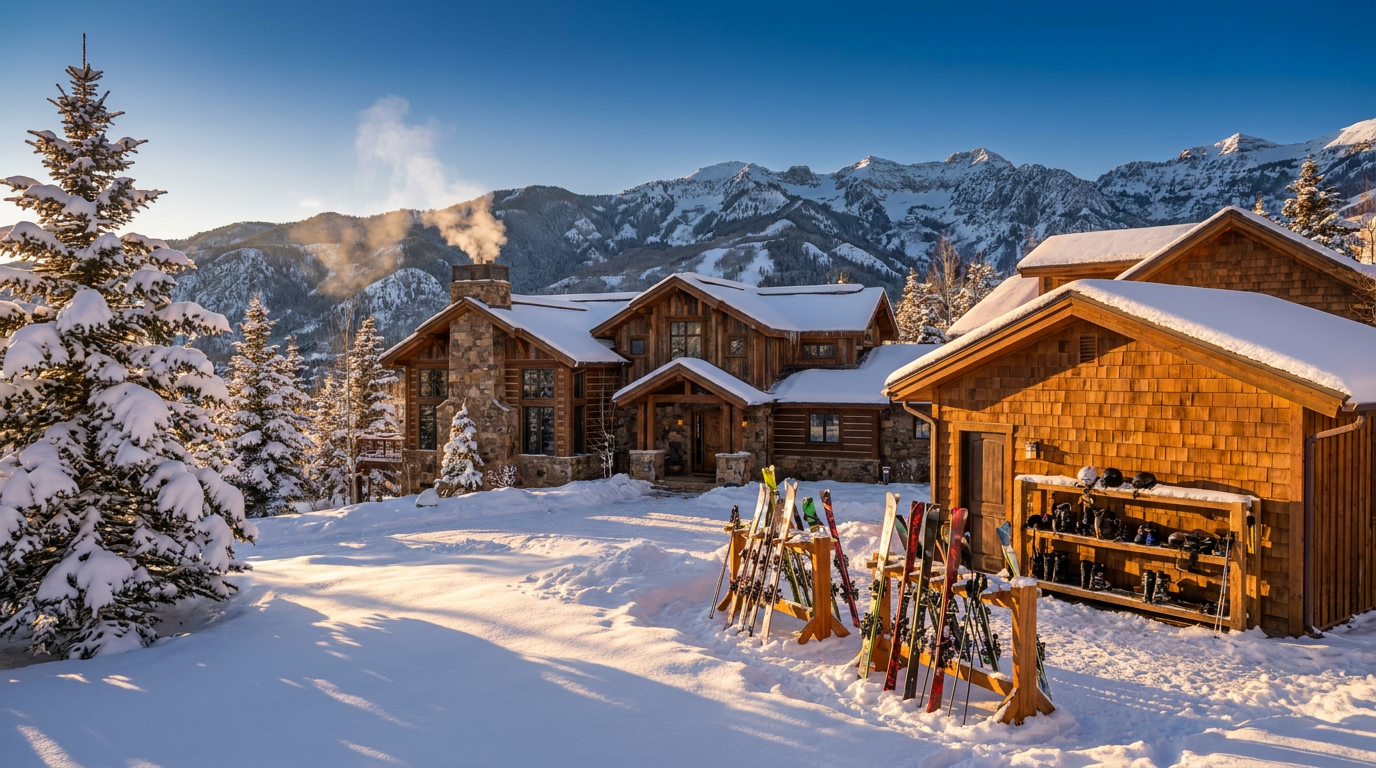
Storage needs in the Aspen, Snowmass Village, and greater Roaring Fork Valley area present unique challenges. Elevation (7,900+ feet), temperature extremes (-20°F to 95°F), and seasonal population fluctuations affect both what you store and how you store it.
Seasonal Gear Storage Requirements
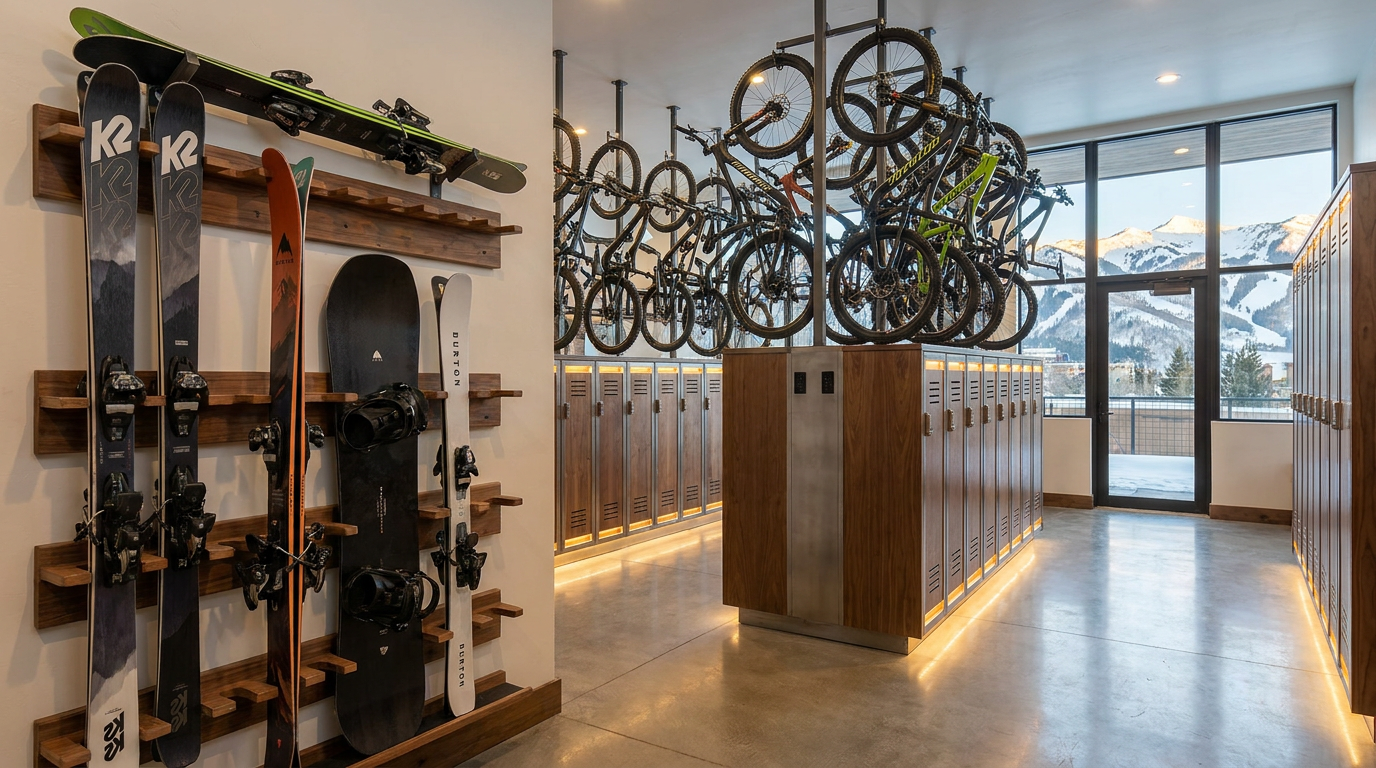
Ski equipment, snowboards, and winter gear require dedicated storage from April through November. A family of four needs approximately 15-25 square feet for winter sports equipment alone. Summer gear (bikes, paddleboards, camping equipment) requires similar space during winter months.
Vacation rental owners in Snowmass and Aspen frequently rotate seasonal decor and amenities. A typical three-bedroom vacation rental requires 50-75 square feet for off-season furniture, linens, and decorations. Our business storage solutions accommodate these seasonal inventory needs.
Vehicle and RV Storage Sizing
Mountain vehicles, boats, and RVs require specific storage dimensions. Standard SUVs measure 16-18 feet long, requiring 10x20 minimum. Class C motorhomes range 20-33 feet, while Class A units extend 33-45 feet. Boat trailers add 3-5 feet to vessel length.
Our open parking spaces range from 10x20 ($275/month) to 12x43 ($355/month), accommodating everything from compact cars to 40-foot RVs. Paved surfaces prevent tire damage from extended parking, and electrical hookups maintain battery charge during storage.
Climate Considerations at Altitude
Temperature fluctuations at 8,000+ feet elevation stress materials differently than sea-level storage. Wood furniture expands and contracts with humidity changes. Electronics face condensation risks when temperature swings exceed 40 degrees within 24 hours.
Items requiring climate control at altitude include: wine collections, musical instruments, artwork, antique furniture, electronics, photographs, and leather goods. Interior units with power access allow dehumidifiers or space heaters for sensitive items.
Storage Unit Size Calculator: The Room-by-Room Method
The room-by-room calculation method provides accurate estimates without measuring individual items. This approach uses average furniture volumes based on data from moving companies and storage facilities nationwide.
| Room Type | Average Square Feet Needed | Suggested Unit Size |
|---|---|---|
| Studio Apartment | 40-50 sq ft | 5x10 |
| 1-Bedroom Apartment | 75-100 sq ft | 5x15 or 10x10 |
| 2-Bedroom Apartment | 100-150 sq ft | 10x10 or 10x15 |
| 3-Bedroom Home | 150-200 sq ft | 10x15 or 10x20 |
| 4-Bedroom Home | 200-300 sq ft | 10x20 or larger |
| Garage Contents | 50-100 sq ft | 5x10 or 10x10 |
Add 25-50 square feet if storing a home office with desk, chair, filing cabinets, and equipment. Workshop contents (tools, workbench, materials) typically require an additional 50-75 square feet depending on hobby intensity.
Common Mistakes When Choosing Storage Unit Size
First-time storage renters make predictable errors that result in wasted money or damaged belongings. Avoiding these mistakes saves $200-500 annually and prevents the hassle of unit transfers.
Mistake 1: Choosing the Smallest Possible Unit
Selecting a unit that barely fits your belongings eliminates access aisles and forces dangerous stacking. Items packed too tightly suffer damage from pressure and lack of air circulation. Moisture becomes trapped, promoting mold growth on fabric and paper items.
The cost difference between adjacent sizes typically runs $25-50/month. Spending an extra $300-600 annually for a larger unit prevents thousands in potential damage to furniture, electronics, and irreplaceable items.
Mistake 2: Ignoring Vertical Space
Many renters calculate only floor space, ignoring 8-10 feet of vertical capacity. Proper shelving and stacking techniques effectively double usable space. Invest $50-100 in freestanding shelving units to maximize cubic footage utilization.
Stack boxes no more than 6-7 high (approximately 7 feet) to prevent crushing and allow safe access. Place heaviest boxes on bottom, medium-weight boxes in the middle, and lightest items on top. Leave 6 inches between stacks and walls for air circulation.
Mistake 3: Forgetting Future Additions
Storage needs typically grow 10-20% within the first year. Seasonal items accumulate, purchases arrive, and life changes add belongings. Selecting a unit with 15-25% extra capacity accommodates growth without requiring an upgrade and second move.
Mistake 4: Not Considering Access Frequency
Frequent access requires wider aisles and strategic item placement. If you visit monthly or more often, allocate 20-30% of floor space for walkways. Items needed regularly should remain near the unit entrance, not buried behind furniture.
Our guide to efficient storage organization provides detailed strategies for maintaining accessibility in any size unit.
Business Storage: Sizing for Commercial Needs
Commercial storage requirements differ fundamentally from residential needs. Inventory turnover, seasonal fluctuations, and specialized equipment create unique sizing challenges for Roaring Fork Valley businesses.
Retail and Restaurant Storage
Ski shops, outdoor retailers, and restaurants in Aspen and Snowmass experience 40-60% inventory swings between peak and off-seasons. A 10x15 to 10x20 unit accommodates seasonal merchandise rotation, holiday displays, and backup equipment.
Restaurant storage typically requires 75-150 square feet for extra tables, chairs, seasonal patio furniture, and backup kitchen equipment. Event companies need 150-300 square feet for tents, tables, chairs, and decor inventory.
Contractor and Construction Storage
Construction companies operating in the Roaring Fork Valley need secure storage between job sites. Tools, materials, and equipment for a typical residential contractor require 100-200 square feet. Commercial contractors may need 200-400+ square feet.
Drive-up access becomes essential for heavy equipment and frequent loading. Our 12x22 and 19x35 drive-up units include power outlets for charging battery-powered tools and lighting for early morning or late evening access.
How Storage Unit Prices Vary by Size
Storage unit pricing follows a predictable pattern: cost per square foot decreases as unit size increases. A 5x5 unit (25 sq ft) at $75/month costs $3.00 per square foot, while a 10x20 unit (200 sq ft) at $300/month costs $1.50 per square foot.
This economy of scale makes larger units more cost-effective when you have sufficient belongings. Renting two 5x10 units ($150-200/month combined) costs more than one 10x10 unit ($135-175/month) while providing identical square footage.
Location significantly affects pricing. Storage units in downtown Aspen cost 15-30% more than facilities in Old Snowmass, Basalt, or Carbondale. Our facility at 26870 Highway 82 offers competitive rates compared to in-town Aspen facilities while remaining just 10 minutes from Aspen Airport.
When to Choose Climate-Controlled Storage
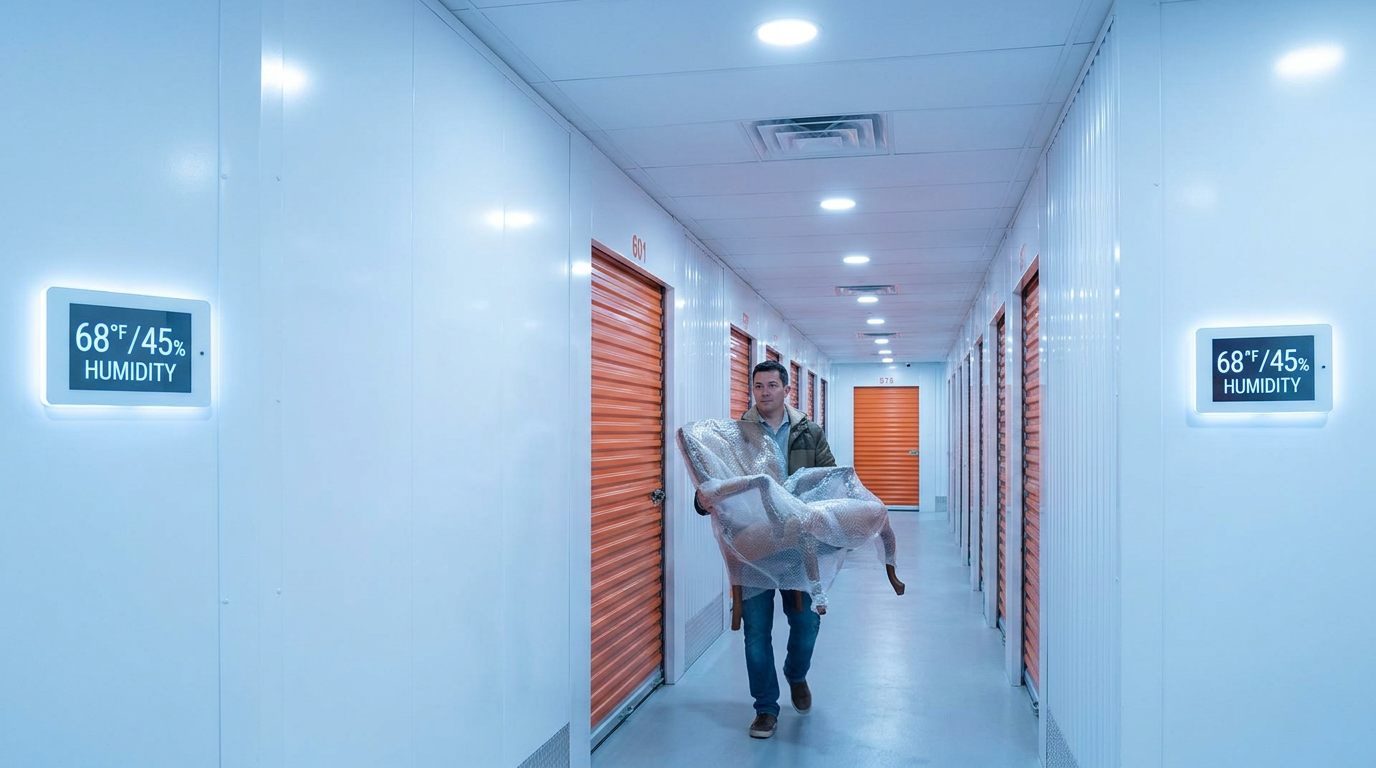
Climate-controlled units maintain temperatures between 55-80°F year-round, protecting sensitive items from extreme heat, cold, and humidity fluctuations. This feature adds $25-50/month but prevents damage that could cost thousands to repair or replace.
Items Requiring Climate Control
The following items benefit from climate-controlled storage: wooden furniture (especially antiques), leather goods, electronics, musical instruments, artwork, photographs, wine collections, important documents, and medical equipment. Fabrics and upholstery also last longer in stable conditions.
In the Roaring Fork Valley, where winter temperatures drop below 0°F and summer temperatures exceed 90°F, climate control becomes more important than in moderate climates. Temperature swings of 100+ degrees annually stress materials significantly.
When Standard Storage Suffices
Durable items tolerate temperature variations: metal furniture, outdoor equipment, tools, sporting goods (except wooden items), holiday decorations (non-electronic), and most household items stored short-term (under 6 months).
Vehicles, boats, and RVs typically do not require climate control, though battery maintenance and fluid considerations apply for extended storage periods.
Frequently Asked Questions About Storage Unit Sizes
How do I determine what size storage unit I need?
Create a complete inventory of items you plan to store, measure large furniture pieces, calculate total square footage needed, then add 15-25% for walking aisles and stacking limitations. Use the room-by-room method as a shortcut: a one-bedroom apartment needs 75-100 square feet, a two-bedroom needs 100-150 square feet, and a three-bedroom home needs 150-200 square feet.
Is a 10x20 storage unit big enough?
A 10x20 storage unit provides 200 square feet and 1,600 cubic feet of space, sufficient for a three to four-bedroom home or a vehicle plus household items. This size accommodates approximately 85% of whole-home storage needs. Homes exceeding 2,500 square feet or those with significant garage/workshop contents may require larger units.
Are 10x10 storage units actually 10x10?
Storage unit dimensions are nominal measurements with typical variance of 4-8% from stated size. A 10x10 unit usually measures between 9'6" x 9'6" and 10'2" x 10'2". Wall thickness and door frames cause minor reductions. Request actual interior dimensions when precise fit matters for vehicles or large equipment.
What will a 5x10 storage unit fit?
A 5x10 storage unit (50 square feet) fits the contents of a studio apartment or single bedroom: queen mattress set, dresser, small desk, chair, and 15-20 medium boxes. The narrow 5-foot width requires standing some furniture on end. This size works well for college students, seasonal residents, or partial home storage.
How much does a storage unit cost per month near Aspen?
Storage unit prices in the Aspen area range from $135/month for small lockers to $2,500/month for large drive-up units with premium features. Mid-range 10x10 to 10x15 units typically cost $375-925/month. Facilities outside downtown Aspen, like those in Old Snowmass or Basalt, offer rates 15-30% lower than in-town locations.
Making Your Final Decision
Choosing the right storage unit size balances cost efficiency against practical usability. Slightly larger units cost marginally more but provide significantly better access, organization options, and flexibility for future needs.
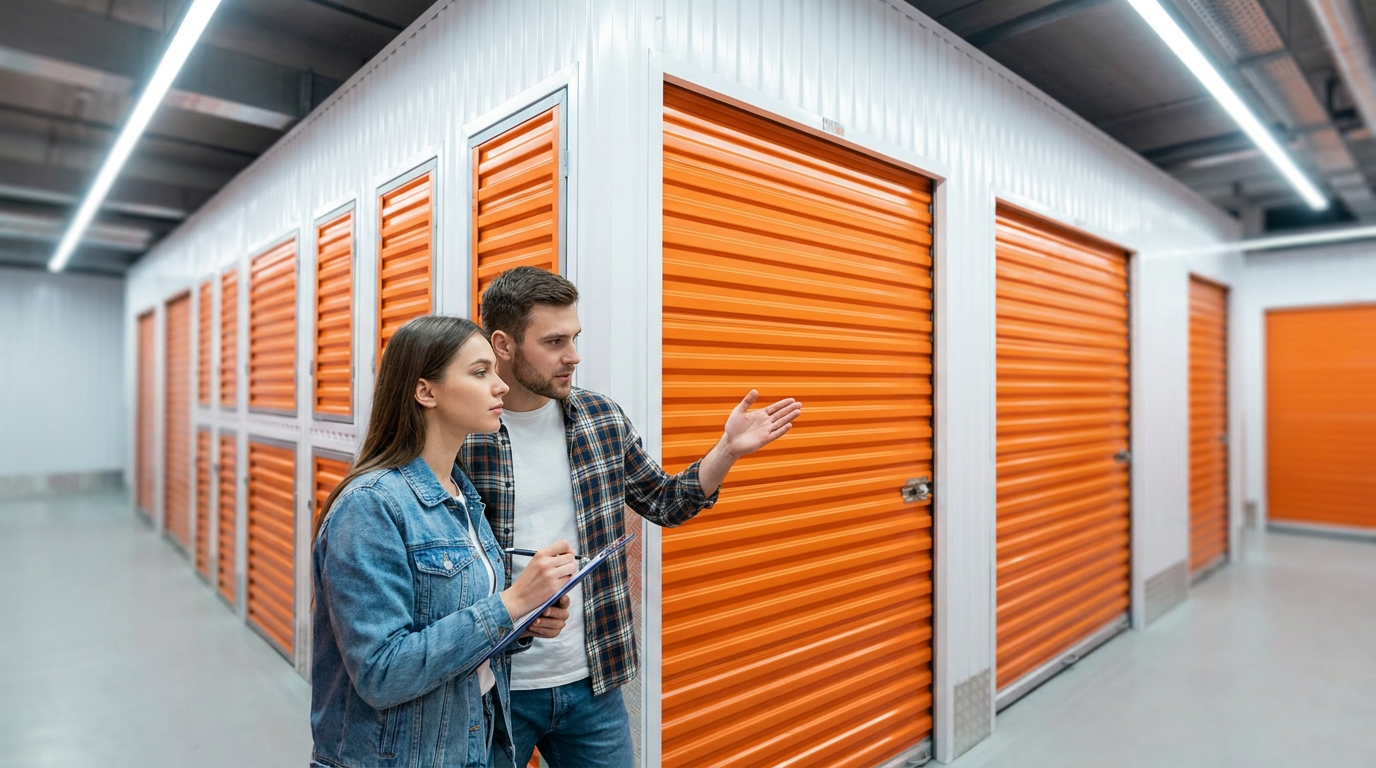
Visit potential facilities before committing. Walk into units of different sizes to visualize your belongings in the space. Ask about actual interior dimensions, ceiling heights, and any features that affect usable space like columns or irregular shapes.
Our team at Snowmass Self Storage helps customers select appropriate unit sizes daily. Contact us by phone at (970) 618-6301 or text for personalized recommendations based on your specific inventory. You can also reserve your unit online in 60 seconds with instant move-in availability and no deposit required.
|