What Size Storage Unit Do I Need? Complete Size Guide 2026 |
| WHAT SIZE STORAGE UNIT DO I NEED
⏱ 12 min read ·
📄 #2,251 words
Find the right storage unit size with our complete guide. From 5x5 lockers to 10x30 units, learn exactly what fits in each size based on rooms and items.
|
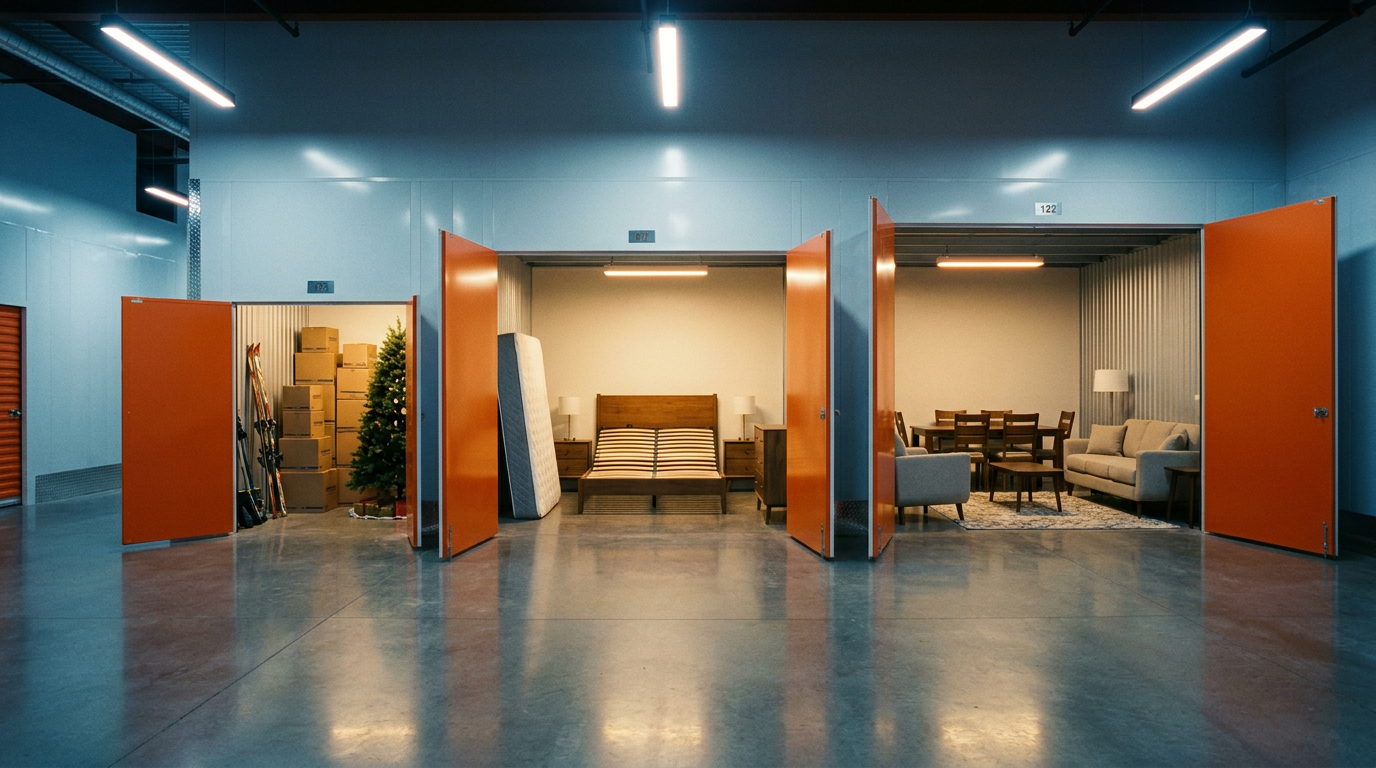
T he storage unit size you need depends on the number of rooms you are storing and your largest items. A 5x5 unit holds a closet worth of items, a 10x10 fits a one-bedroom apartment, and a 10x20 stores a three-bedroom home or a standard vehicle. Most renters choose a 10x10 unit, which provides 100 square feet and fits furniture from one to two rooms.
| Key Points: | |
|---|---|
| • | 5x10 units (50 sq ft) fit studio apartments and cost $60-120 per month on average |
| • | 10x10 units (100 sq ft) are the most popular size, fitting 1-2 bedroom apartments |
| • | 10x20 units (200 sq ft) store 3-4 bedroom homes or most standard vehicles |
| • | Add 15-20% extra space if you need regular access to items inside the unit |
| • | Standard unit height is 8 feet, allowing vertical stacking to maximize space |
Storage Unit Size Chart: Quick Reference Guide
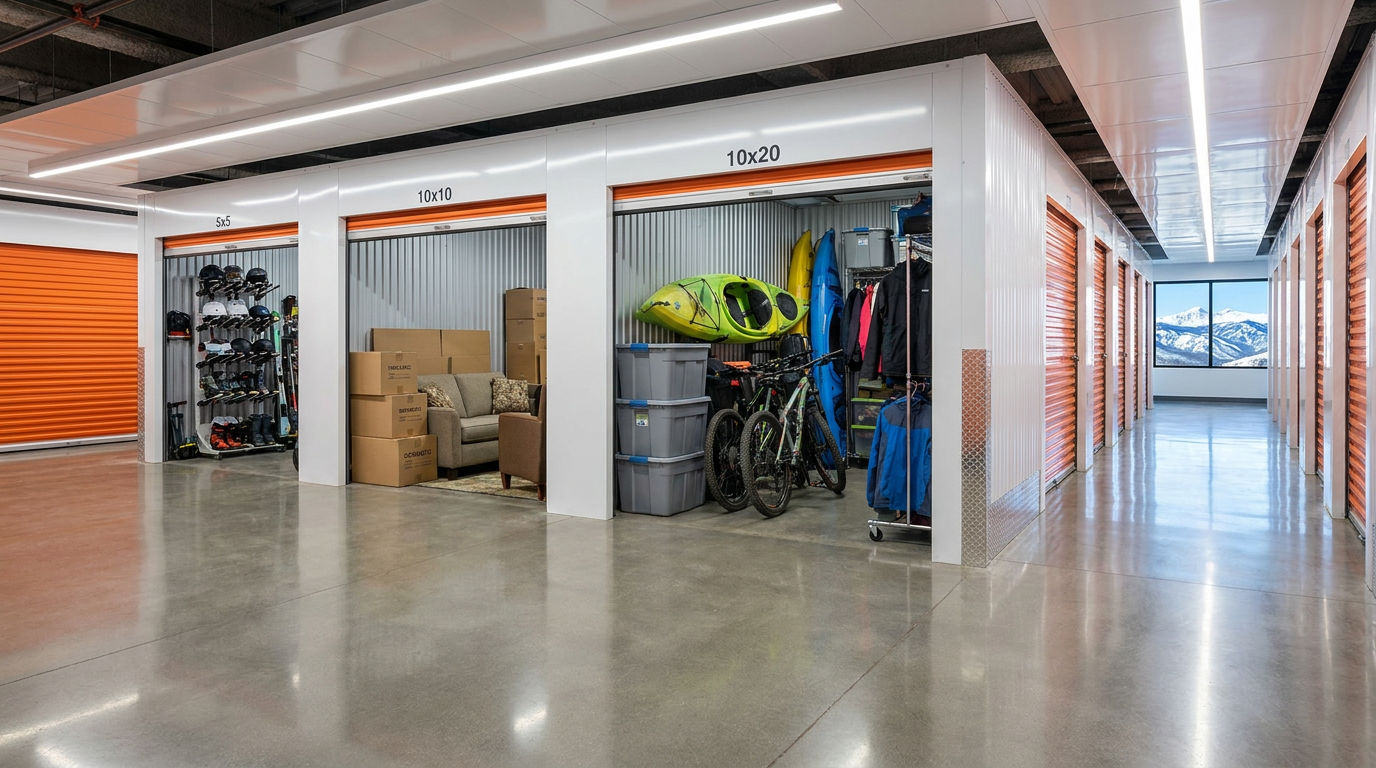
According to the Self Storage Association, over 90% of storage customers rent units between 5x5 and 10x20. The table below shows what each common storage unit size holds based on room equivalents and typical items. Use this storage unit size chart as your starting point before visiting a facility.
| Unit Size | Square Feet | Room Equivalent | Best For |
|---|---|---|---|
| 5x5 | 25 sq ft | Large closet | Boxes, seasonal items, small furniture |
| 5x10 | 50 sq ft | Walk-in closet | Studio apartment, mattress, dresser, boxes |
| 10x10 | 100 sq ft | Small bedroom | 1-2 bedroom apartment contents |
| 10x15 | 150 sq ft | Large bedroom | 2-3 bedroom home, business inventory |
| 10x20 | 200 sq ft | One-car garage | 3-4 bedroom home, vehicles, large appliances |
| 10x30 | 300 sq ft | 1.5-car garage | 5+ bedroom home, multiple vehicles, boats |
How Big Is a 10x10 Storage Unit?
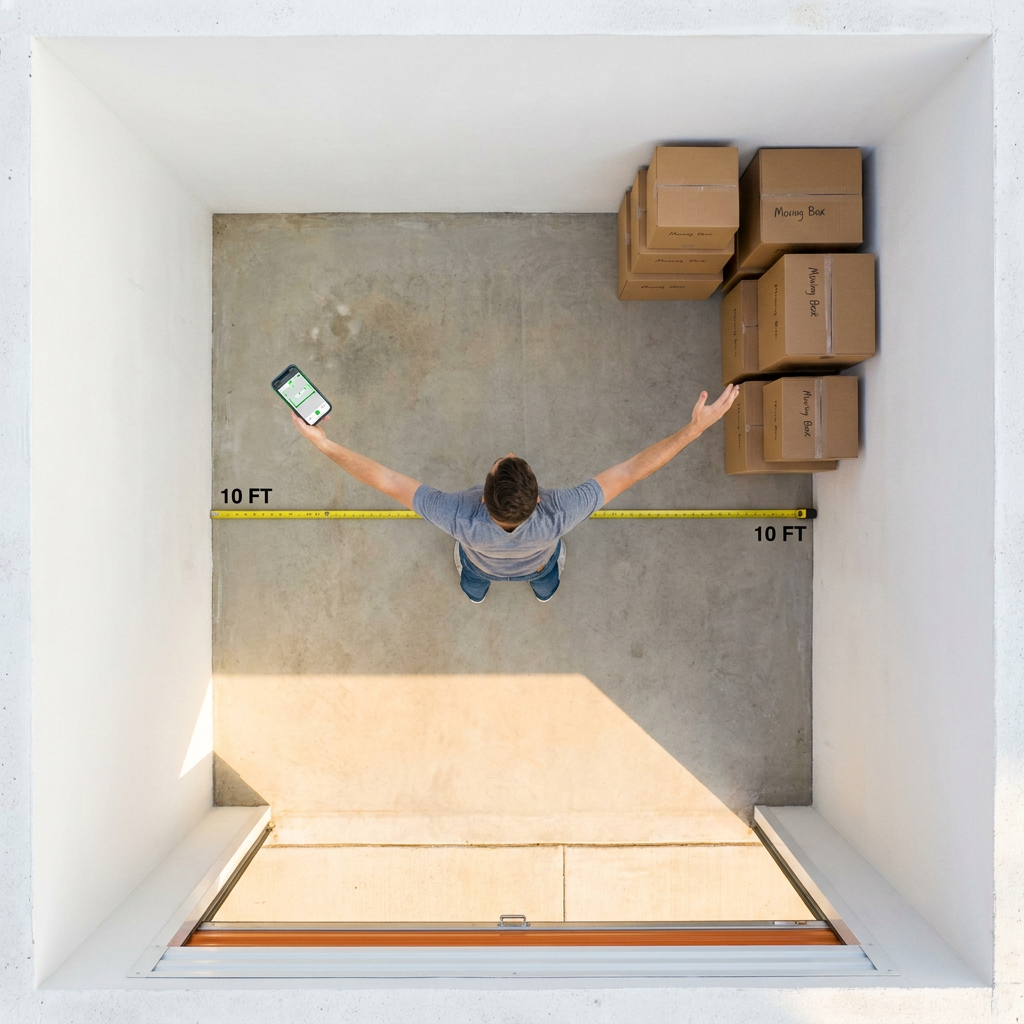
A 10x10 storage unit provides 100 square feet of floor space with 8-foot ceilings, totaling 800 cubic feet of storage capacity. This is roughly the size of a standard bedroom or half of a one-car garage. Data from Extra Space Storage indicates the 10x10 is their most rented size nationwide.
In practical terms, a 10x10 storage unit size accommodates the contents of a one-bedroom apartment or two fully furnished rooms. You can fit a queen or king mattress set, a sofa, dining table with chairs, dresser, and approximately 20-30 medium boxes. For reference, that equals roughly 3,000-4,000 pounds of household goods.
The 10x10 works well for homeowners decluttering, apartment dwellers between leases, or small business owners storing inventory. If you plan to access items frequently, leave a 2-foot walkway down the center, which reduces usable space to approximately 80 square feet.
5x10 Storage Unit: What Fits Inside
A 5x10 storage unit measures 50 square feet, comparable to a large walk-in closet. According to Public Storage pricing data, 5x10 units typically rent for $60-150 per month depending on location and climate control. This size represents the sweet spot for studio apartments and single-room storage needs.
Inside a 5x10 unit, you can store a twin or full mattress set, a small sofa or loveseat, a dresser, a desk, and 10-15 medium moving boxes. The narrow 5-foot width means you will stack items front to back rather than side to side. Plan your loading sequence so frequently needed items stay near the door.
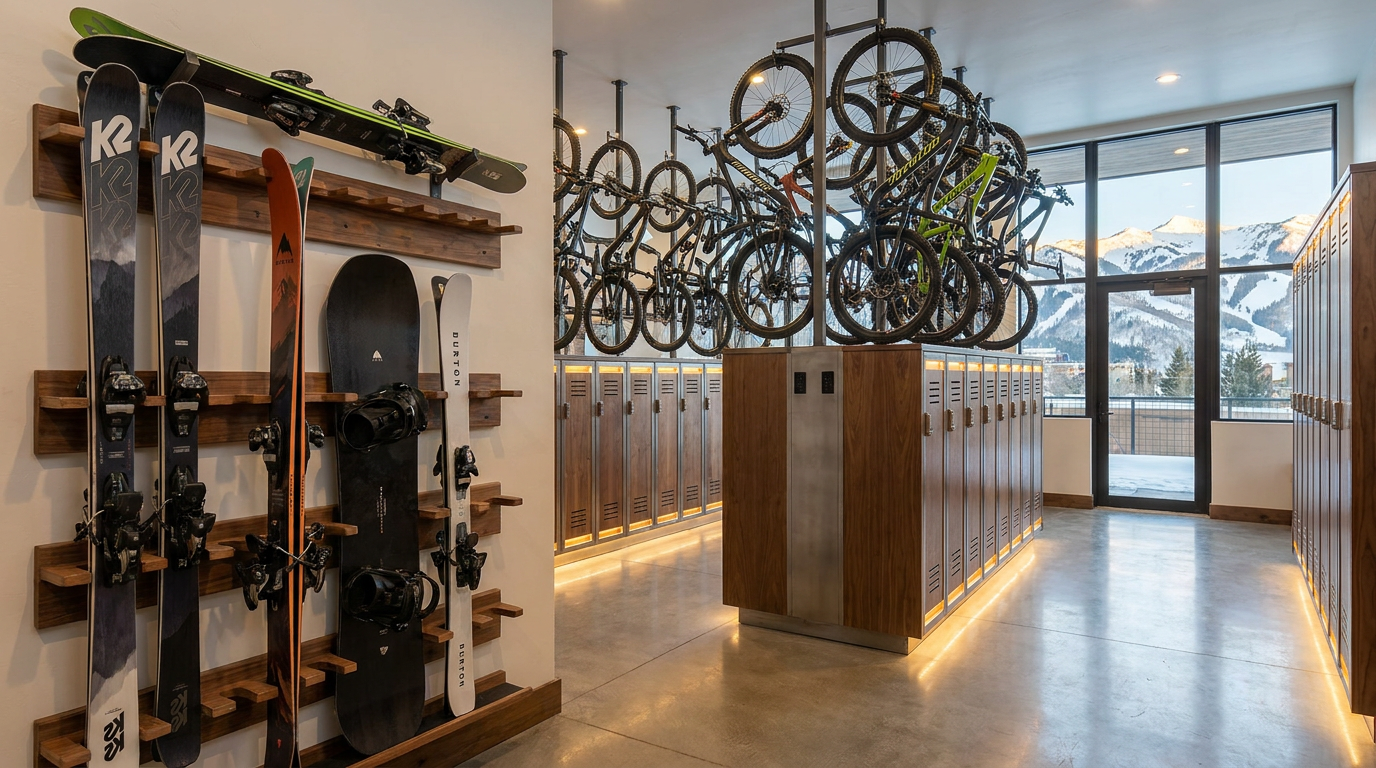
This size works particularly well for college students storing dorm furniture over summer, seasonal wardrobes, or sports equipment like skis, snowboards, and camping gear. At Snowmass Self Storage, our storage unit size guide includes visual examples of what fits in each unit type.
What Size Storage Unit Do I Need for a Car?
Most standard sedans, coupes, and hatchbacks fit in a 10x20 storage unit, which provides 200 square feet with dimensions matching a single-car garage. According to Kelley Blue Book, the average sedan measures 15-16 feet long and 6 feet wide, leaving 4-5 feet of clearance in a 10x20 unit for opening doors and walking around the vehicle.
Larger vehicles require more space. Full-size SUVs like the Chevrolet Tahoe or Ford Expedition measure 17-18 feet long and need a 10x25 or 10x30 unit. Extended cab trucks and vehicles with trailers should use 10x30 units minimum. Always measure your specific vehicle before renting.
| Vehicle Type | Typical Length | Recommended Unit |
|---|---|---|
| Compact car (Honda Civic) | 14-15 feet | 10x15 or 10x20 |
| Standard sedan (Toyota Camry) | 15-16 feet | 10x20 |
| SUV (Jeep Grand Cherokee) | 16-17 feet | 10x20 or 10x25 |
| Full-size SUV (Chevrolet Tahoe) | 17-18 feet | 10x25 or 10x30 |
| Motorcycle | 7-8 feet | 5x10 or 10x10 |
For motorcycle storage near me searches, a 5x10 unit typically suffices for one bike plus gear. Two motorcycles fit comfortably in a 10x10 with room for helmets, jackets, and maintenance supplies.
Storage Unit Sizes by Bedroom Count
The most reliable method for estimating storage needs is counting bedrooms. Research from CubeSmart and StorageMart shows consistent patterns in how much space different home sizes require. This approach accounts for typical furniture quantities better than guessing by individual items.
Studio and One-Bedroom Apartments
A studio apartment typically fits in a 5x10 unit (50 square feet). One-bedroom apartments need a 5x10 to 10x10 depending on furniture quantity. If you own a full living room set plus bedroom furniture, choose the 10x10. Minimalist setups with a bed, desk, and few boxes work in the 5x10.
Two-Bedroom Homes
Two-bedroom apartments and condos generally require a 10x10 to 10x15 unit. The 10x10 storage unit size works if you disassemble bed frames and remove table legs. A 10x15 provides more flexibility for keeping furniture intact and maintaining an access aisle.
Three to Four Bedroom Homes
Homes with three to four bedrooms need 10x15 to 10x20 units. At this size, you are storing multiple bedroom sets, a full living room, dining room furniture, and potentially appliances. The 10x20 is the safer choice, especially if storing a washer, dryer, or refrigerator.
Five or More Bedrooms
Large homes with five or more bedrooms require 10x25 to 10x30 units. These sizes accommodate entire household contents including outdoor furniture, holiday decorations, and garage items. For whole-house moves, consider renting two smaller units if 10x30 availability is limited.
How to Calculate Your Storage Unit Size
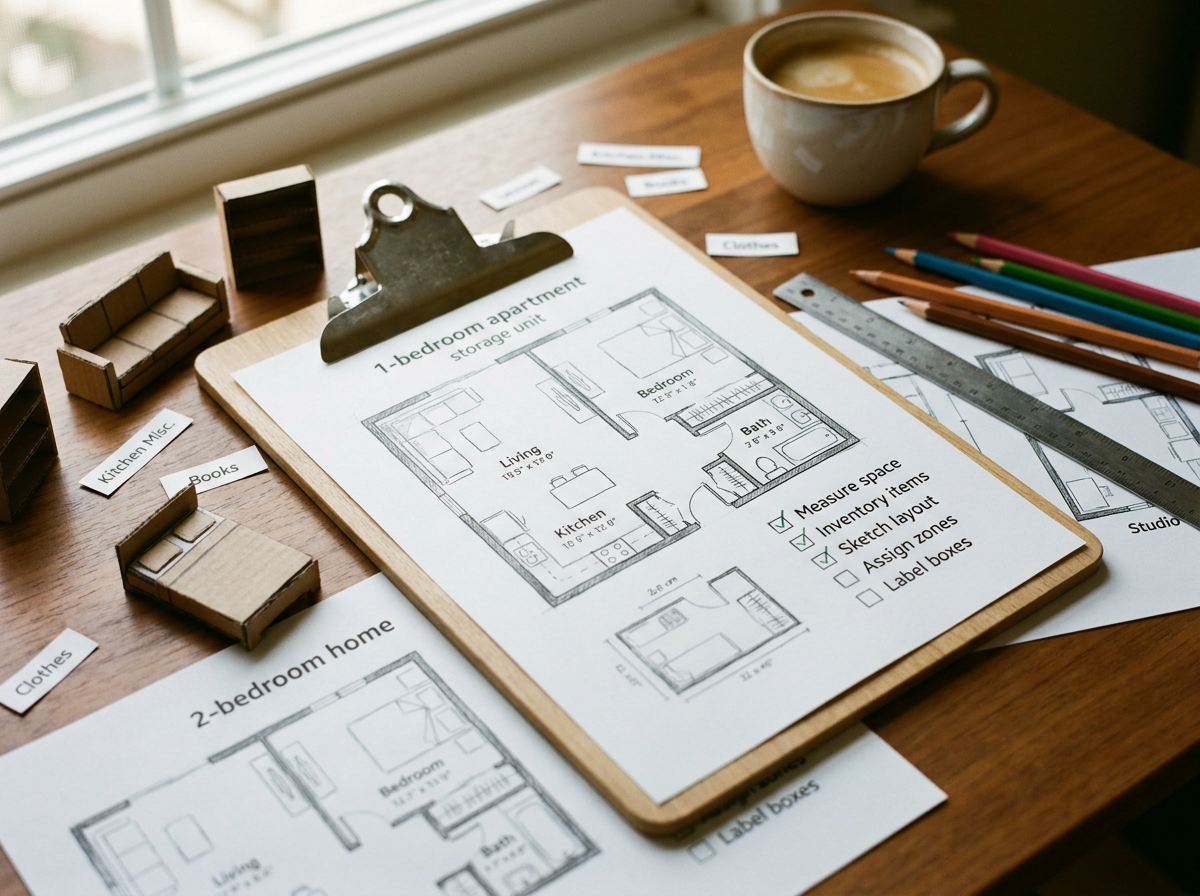
Follow this three-step process to determine your exact storage needs. This method, recommended by the Self Storage Association, prevents both overpaying for unused space and cramming items into undersized units.
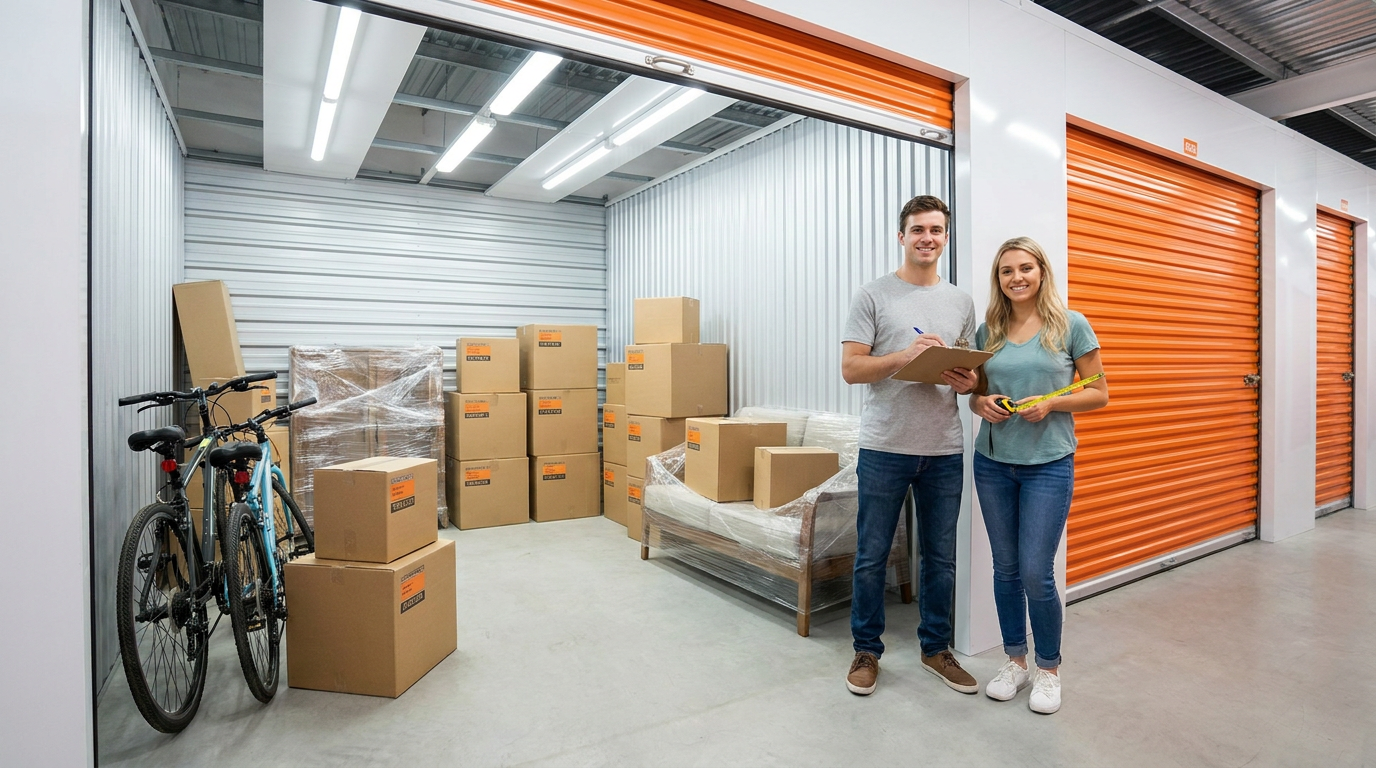
Step 1: Inventory your large items first. List furniture pieces including sofas, beds, dressers, tables, and appliances. Measure the length, width, and height of your three largest items. These determine your minimum unit dimensions.
Step 2: Estimate box quantities. Count the number of boxes you expect to pack. A standard medium moving box (18x18x16 inches) occupies approximately 3 cubic feet. Multiply your box count by 3 to get total box volume in cubic feet.
Step 3: Add access space. If you plan to visit your unit more than once per month, add 15-20% extra space for a walkway. This means choosing a 10x15 instead of a 10x10 if access matters.
For a more precise estimate, visit our storage size guide which includes an interactive calculator based on your specific items.
Can You Fit a Queen Mattress in a 5x5 Storage Unit?
No, a queen mattress does not fit properly in a 5x5 storage unit. Queen mattresses measure 60 inches wide (5 feet) by 80 inches long (6.67 feet). While the width technically matches the 5-foot unit dimension, the 6.67-foot length exceeds the unit depth, and standing the mattress upright in an 8-foot tall unit leaves no room for other items.
A 5x10 unit is the minimum size for queen mattress storage. This provides space to store the mattress flat or on its side while leaving room for a box spring and 5-10 additional boxes. King mattresses (76x80 inches) also fit in 5x10 units but require careful positioning.
For mattress longevity, the Better Sleep Council recommends storing mattresses flat rather than on their side when possible. If vertical storage is necessary, limit duration to 2-3 months to prevent internal spring damage.
Storage Unit Sizes and Prices: What to Expect
Storage unit pricing varies significantly by location, with urban areas charging 40-60% more than rural facilities according to SpareFoot market data. Climate-controlled units add $25-50 per month to base prices. The table below shows national average pricing as of 2026.
| Unit Size | Standard Unit | Climate-Controlled |
|---|---|---|
| 5x5 | $40-75/month | $55-100/month |
| 5x10 | $60-120/month | $85-160/month |
| 10x10 | $95-175/month | $130-225/month |
| 10x15 | $130-225/month | $175-300/month |
| 10x20 | $175-300/month | $225-375/month |
| 10x30 | $225-400/month | $300-500/month |
Mountain communities like Aspen and Snowmass typically fall in the mid-to-upper range due to limited facility availability and high seasonal demand. Snowmass Self Storage unit availability and rental rates can change, so check the live rental page or contact the facility before choosing a size.
When to Choose Climate-Controlled Storage
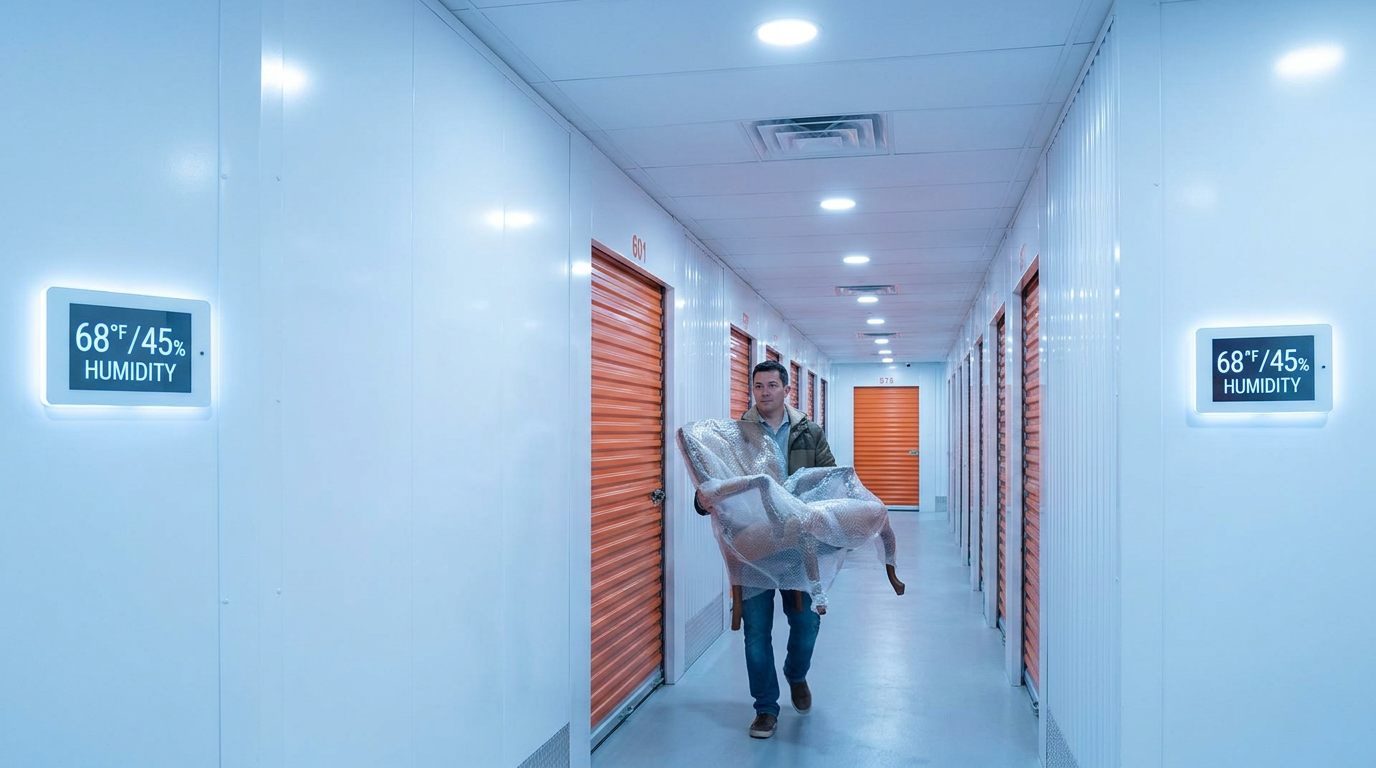
Climate-controlled storage maintains temperatures between 55-80°F and humidity levels between 30-50%. The International Association of Certified Home Inspectors recommends climate control for any storage exceeding six months in regions with temperature extremes.
Items requiring climate control include wooden furniture (prevents warping and cracking), electronics (prevents condensation damage), photographs and documents (prevents yellowing and mold), leather goods (prevents drying and cracking), wine collections (requires consistent 55°F), and musical instruments (prevents tuning issues and wood damage).
In mountain climates like the Aspen and Snowmass area, winter temperatures regularly drop below 0°F while summer highs exceed 85°F. This 85+ degree temperature swing makes climate control essential for sensitive items. Standard drive-up units work fine for outdoor furniture, tools, and seasonal equipment that tolerates temperature variation.
Drive-Up vs. Indoor Storage Units
Drive-up storage units allow vehicle access directly to your unit door, similar to a garage. Indoor units require walking through hallways, typically with cart access. Each type suits different storage scenarios.
Choose drive-up storage when: You are storing heavy items like furniture and appliances, you need frequent access for loading and unloading, you are storing vehicles or large equipment, or you prefer the convenience of backing a truck directly to your unit.
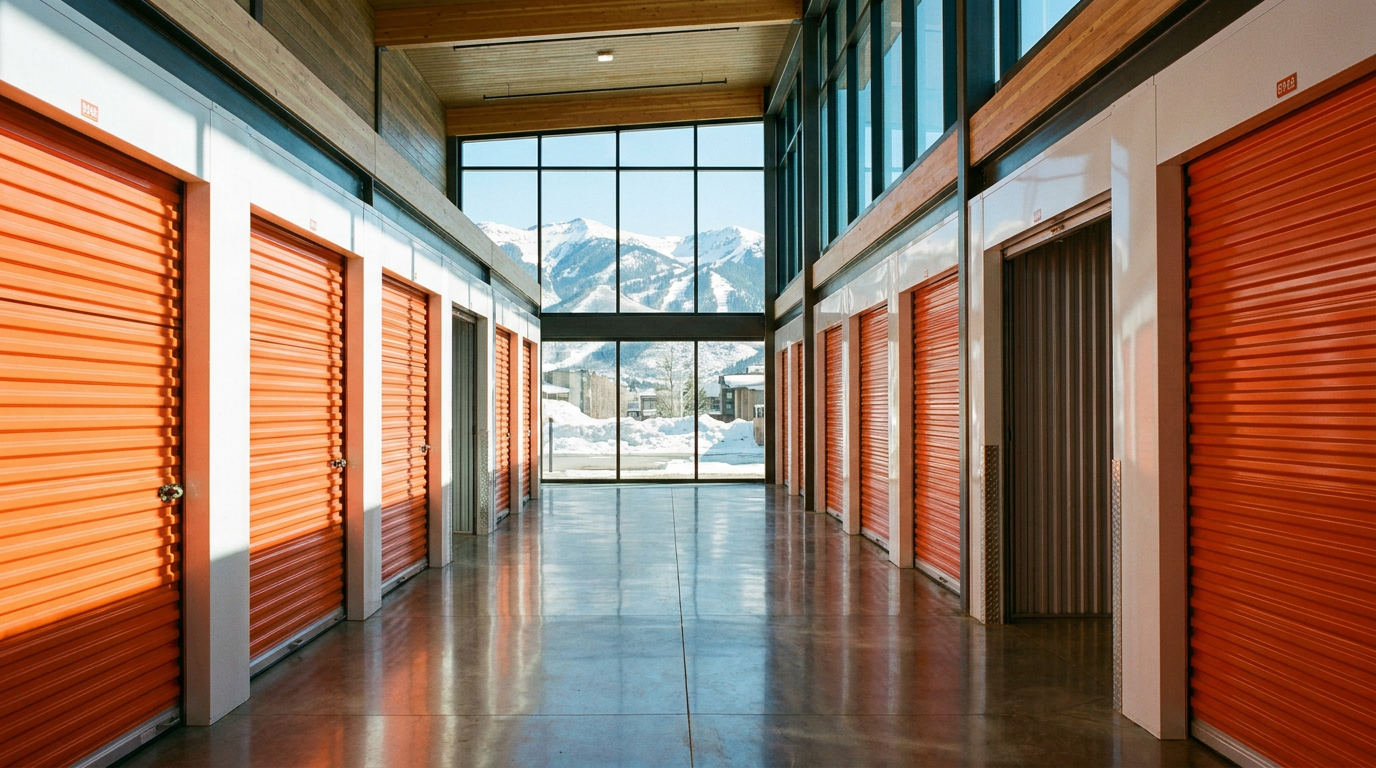
Choose indoor storage when: You need climate control (most climate-controlled units are indoors), you are storing valuable items requiring extra security, you want protection from outdoor elements during access, or you are storing smaller quantities that are easy to carry.
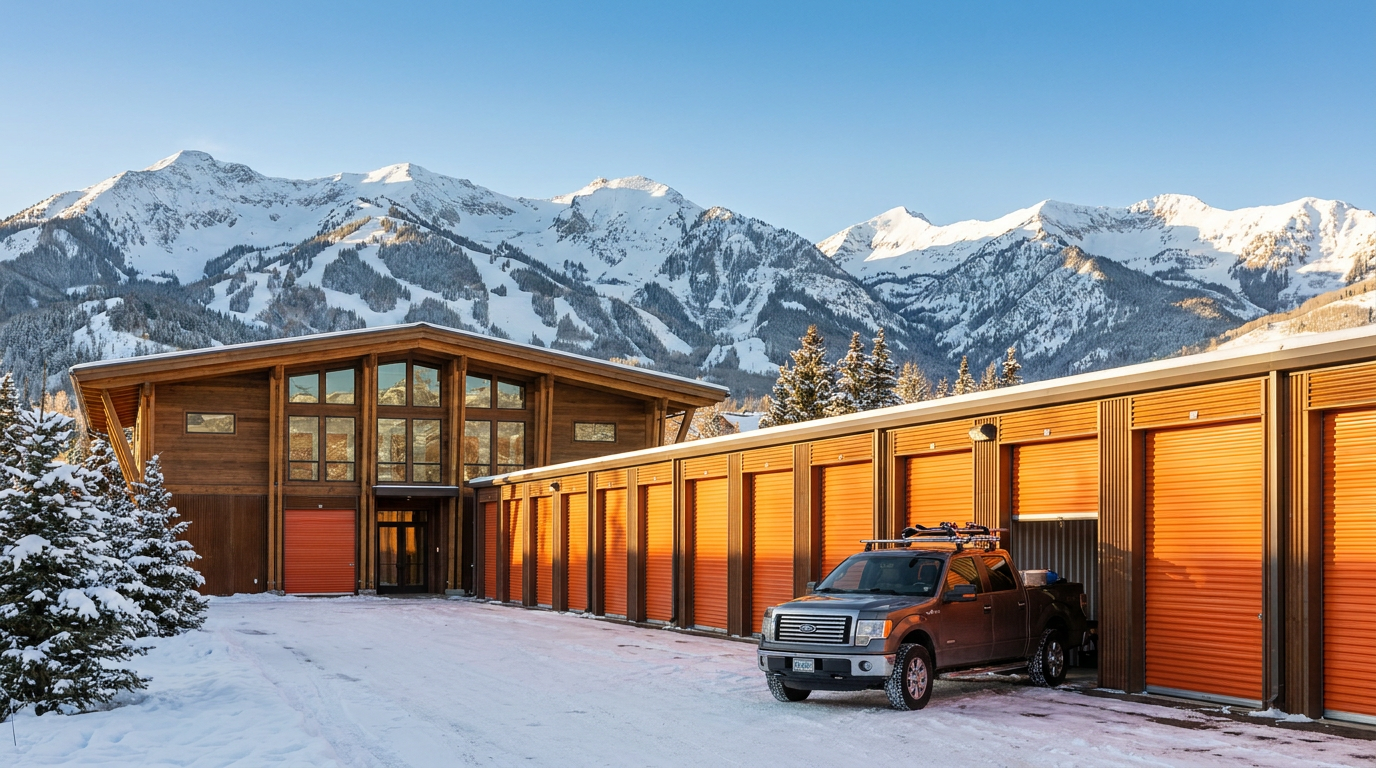
Our 19x35 drive-up units at Snowmass Self Storage include interior lighting, power outlets, and motorized doors for convenient access. Learn more about our facility features and security measures.
Tips for Maximizing Your Storage Space
Professional organizers from the National Association of Productivity and Organizing Professionals recommend these strategies to fit more items in less space. Following these tips can allow you to rent one size smaller than initially estimated.
Disassemble furniture. Remove table legs, bed frames, and shelving units. This reduces bulky footprints by 30-40% and allows flat stacking against walls. Keep hardware in labeled bags taped to furniture pieces.
Use uniform box sizes. Standard 18x18x16 medium boxes stack efficiently without wasted space. Avoid mixing box sizes, which creates unstable stacks and gaps. Heavy items go in small boxes; light items go in large boxes.
Stack vertically to ceiling. With 8-foot ceilings standard, you have significant vertical space. Place heavy, sturdy items on bottom. Stack lighter boxes on top. Use shelving units inside the storage unit if you need frequent access to specific items.
Create an inventory map. Sketch your unit layout showing item locations. This prevents digging through the entire unit to find one item. Place frequently accessed items near the door.
Frequently Asked Questions
How do I figure out what size storage unit I need?
Start by counting bedrooms in your home and matching to standard size recommendations: studio/1BR needs 5x10 to 10x10, 2BR needs 10x10 to 10x15, 3-4BR needs 10x15 to 10x20, and 5+BR needs 10x25 to 10x30. Then adjust based on your largest items and whether you need access space inside the unit.
How many bedrooms can fit in a 10x10 storage unit?
A 10x10 storage unit typically holds the contents of a one-bedroom apartment or two average-sized rooms. This includes a bed, dresser, sofa, dining set, and 20-30 boxes. If you have oversized furniture or minimal disassembly, consider sizing up to a 10x15.
Will my car fit in a 10x20 storage unit?
Yes, most standard sedans, coupes, SUVs, and pickup trucks fit in a 10x20 storage unit. The 20-foot length accommodates vehicles up to 17 feet long with clearance for opening doors. Measure your vehicle first, and consider a 10x25 or 10x30 for full-size SUVs or extended cab trucks.
Is a 5x10 storage unit big enough for a studio apartment?
Yes, a 5x10 storage unit (50 square feet) fits most studio apartment contents including a twin or full mattress, small sofa, dresser, desk, and 10-15 boxes. If you have a queen bed and full-size sofa, consider upgrading to a 10x10 for comfortable fit.
How much extra space should I leave in a storage unit for access?
Leave 15-20% extra space if you plan to access your unit more than once per month. This translates to a 2-foot wide aisle down the center of the unit. For long-term storage with rare access, you can pack the unit fully to maximize value.
What size storage unit do I need for a two-bedroom house?
A two-bedroom house typically requires a 10x10 to 10x15 storage unit. The 10x10 (100 square feet) works if you disassemble furniture and pack efficiently. Choose the 10x15 (150 square feet) if you want to keep furniture assembled or need regular access to stored items.
|