How Much Does a Storage Unit Cost per Month? 2026 Pricing Guide |
| HOW MUCH DOES A STORAGE UNIT COST PER MONTH
⏱ 13 min read ·
📄 #2,405 words
Storage units cost $35 to $300+ per month depending on size and location. See 2026 pricing by unit size, plus tips to save on storage in the Roaring Fork Valley.
|
S torage units cost between $35 and $300 per month for most renters, with the national average falling around $85 to $180 monthly. Your actual price depends on three factors: unit size, geographic location, and whether you choose climate control or standard storage.
| Key Points: | |
|---|---|
| • | Small units (5x5 to 5x10) cost $30 to $140 per month in most U.S. markets |
| • | Medium units (10x10 to 10x15) range from $80 to $320 monthly depending on location |
| • | Climate-controlled storage adds 10% to 25% to base pricing |
| • | Mountain resort areas like Aspen typically cost 15% to 40% more than suburban markets |
| • | Vehicle and RV parking runs $67 to $355 per month based on space size |
Storage Unit Prices by Size: 2026 National Averages
Unit size is the single biggest factor determining your monthly storage cost. According to Extra Space Storage's 2026 pricing guide, costs typically range from $35 to $100 per month for basic units, with larger units commanding significantly higher rates.
The cost per square foot actually decreases as unit size increases. A 5x5 unit might cost $1.68 per square foot monthly, while a 10x30 unit drops to $1.22 per square foot. This volume discount rewards renters who consolidate belongings into a single larger space.
| Unit Size | Square Footage | What It Holds | Monthly Cost Range |
|---|---|---|---|
| 5x5 | 25 sq ft | Small closet, boxes, seasonal items | $30 to $80 |
| 5x10 | 50 sq ft | Walk-in closet, studio apartment items | $45 to $140 |
| 10x10 | 100 sq ft | One-bedroom apartment contents | $80 to $220 |
| 10x15 | 150 sq ft | Two-bedroom apartment or small house | $115 to $320 |
| 10x20 | 200 sq ft | Three-bedroom house, vehicle storage | $130 to $400 |
| 10x30 | 300 sq ft | Large home, business inventory | $160 to $570 |
Need help determining the right size? Our storage unit size guide breaks down every option from compact lockers to large drive-up units, with specific recommendations based on what you need to store.
How Much Does a 10x10 Storage Unit Cost per Month?
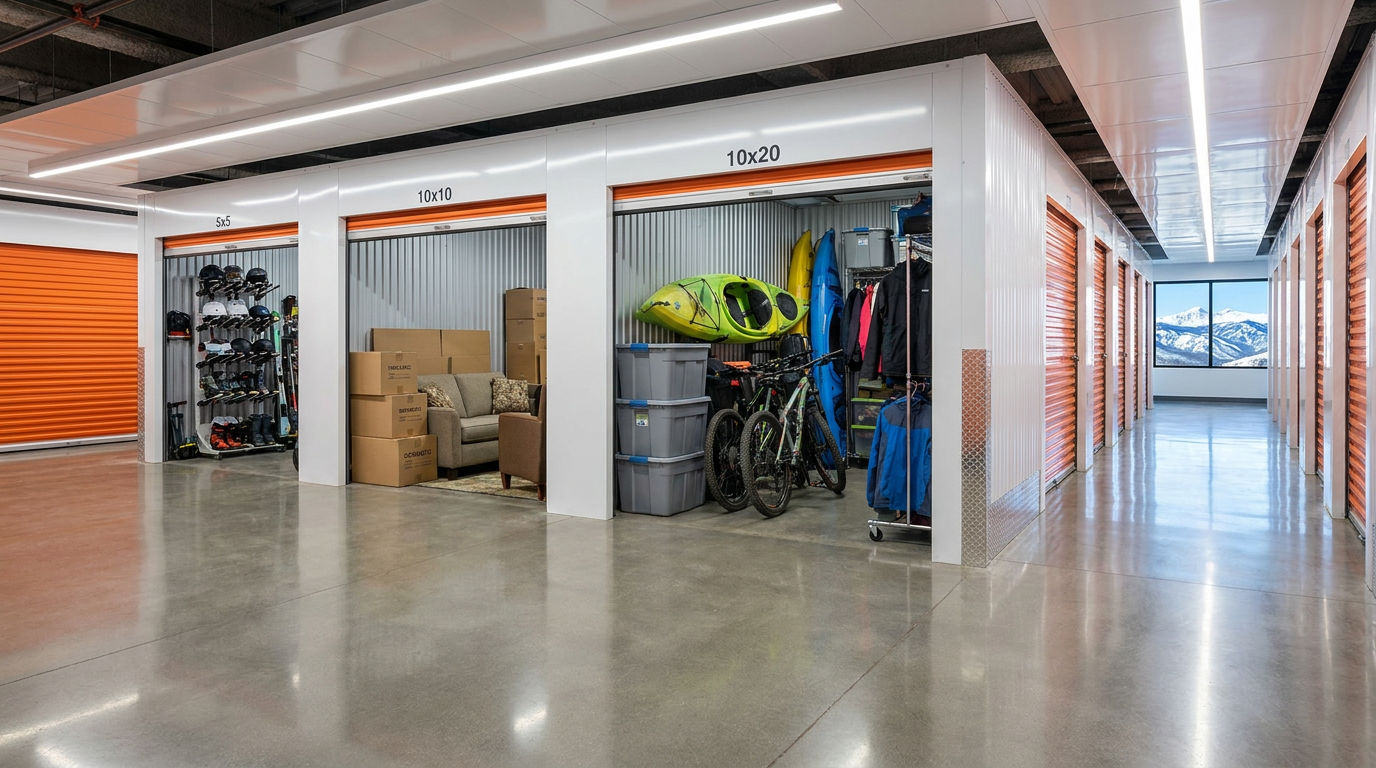
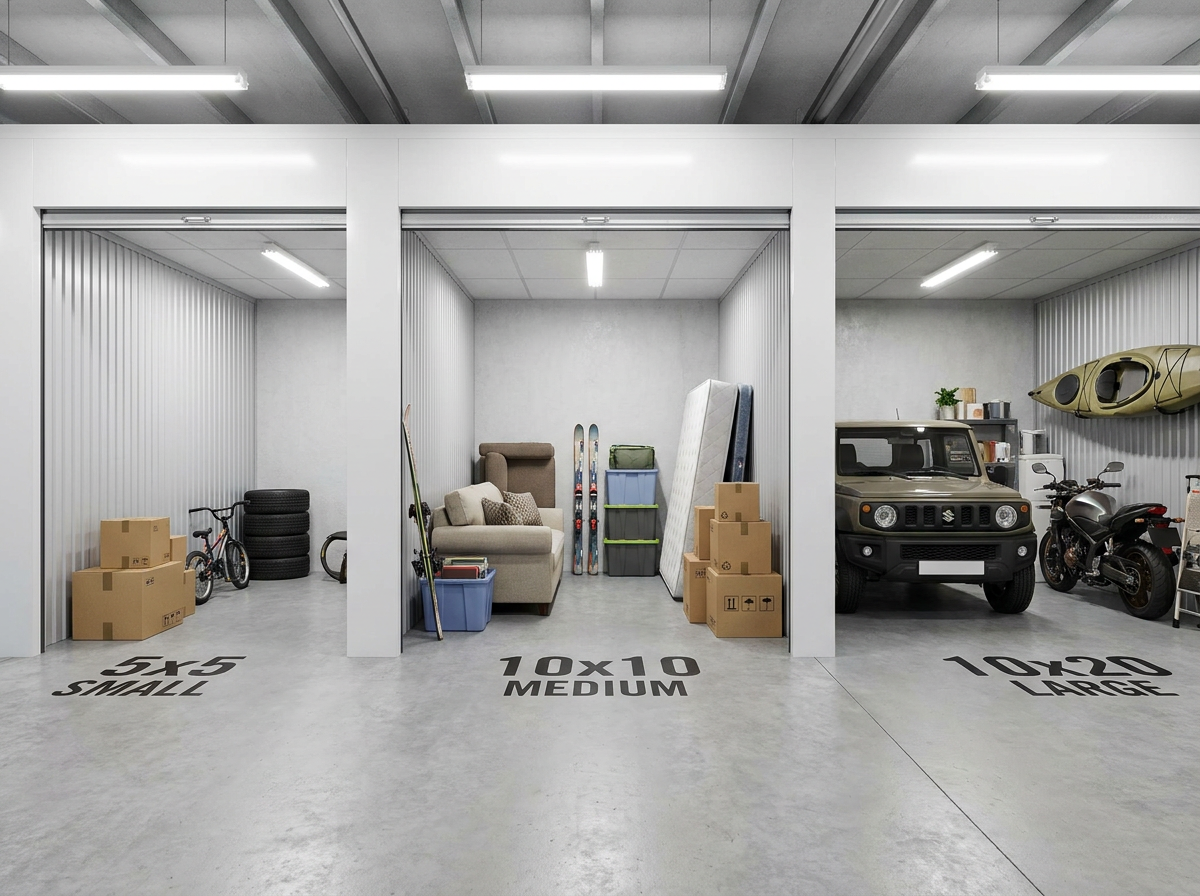
A 10x10 storage unit, the most popular size for residential customers, costs between $80 and $220 per month nationwide. This 100-square-foot space holds the contents of a one-bedroom apartment, including a mattress set, dresser, small sofa, and 20 to 30 boxes.
According to Public Storage's complete pricing guide, the average cost falls between $60 and $200 monthly for most unit sizes, with 10x10 units landing in the middle of that range. In high-cost markets like Los Angeles, expect to pay $219 or more for this size.
How big is a 10x10 storage unit in practical terms? Picture a standard one-car garage cut in half. You can fit a queen-size bed, a couch, a dining table with chairs, and still have room for boxes stacked along the walls.
Storage Unit Prices by City: Regional Cost Comparison
Location dramatically impacts storage pricing. A 10x10 unit in Houston costs around $80 monthly, while the same size in Los Angeles runs $219 or more. Urban density, real estate values, and local demand drive these differences.
| City | 5x10 Average | 10x10 Average | 10x20 Average |
|---|---|---|---|
| Houston, TX | $46 | $80 | $130 |
| Chicago, IL | $75 | $128 | $248 |
| Portland, OR | $58 | $110 | $231 |
| Boston, MA | $60 | $140 | $260 |
| Los Angeles, CA | $136 | $219 | $381 |
Mountain resort communities like Aspen, Snowmass Village, and Vail typically fall between Boston and Los Angeles pricing due to limited land availability and high seasonal demand. However, facilities located just outside resort centers often offer rates 15% to 30% lower than in-town options.
Storage Costs in the Roaring Fork Valley: Aspen to Glenwood Springs
Storage pricing in Colorado's Roaring Fork Valley reflects the region's resort economy and limited commercial real estate. Facilities in downtown Aspen command premium rates comparable to major coastal cities, while mid-valley locations in Basalt, Carbondale, and Old Snowmass offer more competitive pricing.
For Aspen-area residents, the key to affordable Aspen storage is looking just outside the town core. A 10-minute drive from downtown Aspen to Highway 82 facilities can save 15% to 30% on monthly rates while maintaining convenient access for seasonal gear, ski equipment, and household overflow.
Seasonal demand also affects pricing in mountain communities. Peak rates often coincide with ski season (December through March) and summer tourism (June through August). Locking in a month-to-month lease during shoulder seasons can help avoid rate increases during high-demand periods.
Climate-Controlled Storage: Is the Extra Cost Worth It?
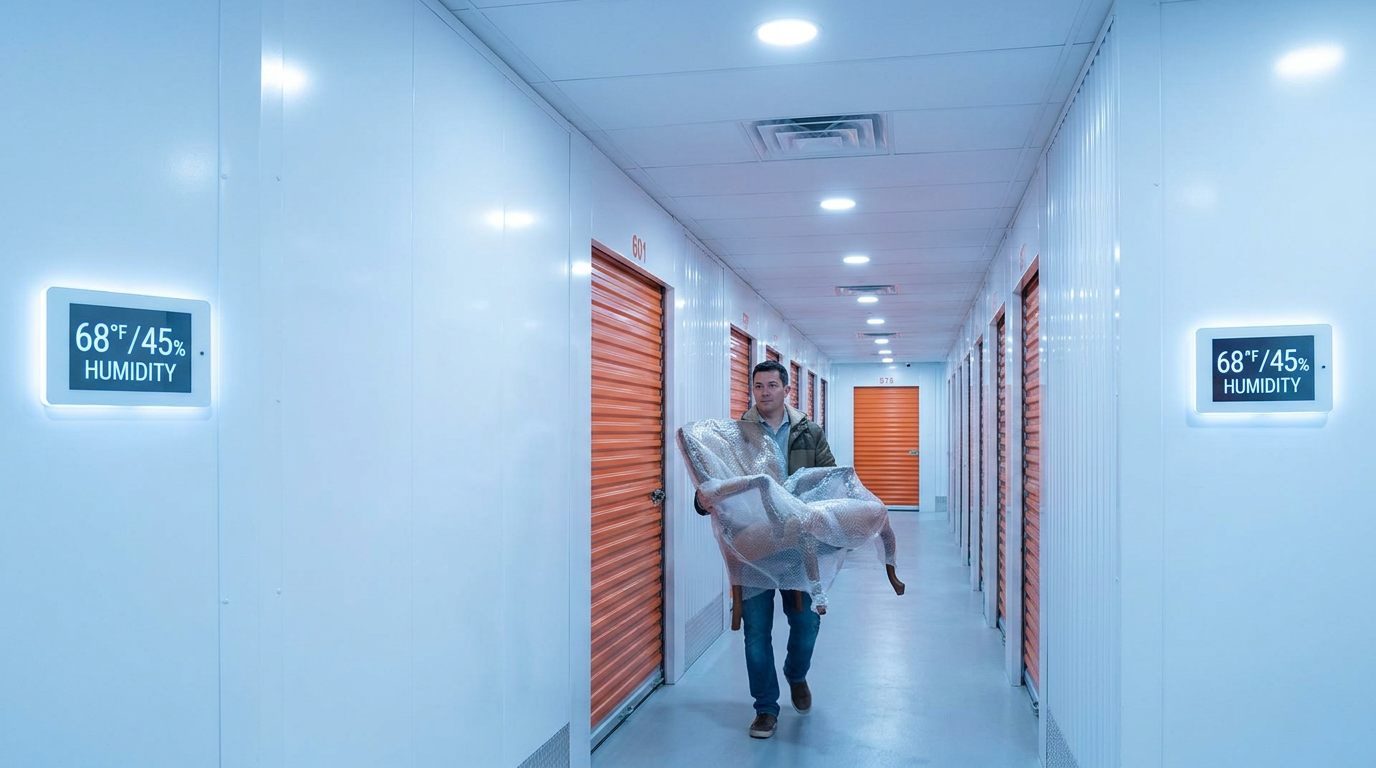
Climate-controlled storage units cost 10% to 25% more than standard units. In Houston, for example, standard units average $80 monthly while climate-controlled options run $92, representing a 15% premium. This upgrade maintains temperatures between 55 and 80 degrees Fahrenheit year-round.
Climate control is essential for items sensitive to temperature extremes or humidity. Electronics, wooden furniture, leather goods, wine collections, artwork, and important documents all benefit from stable conditions. In Colorado's mountain climate, where winter temperatures drop below freezing and summer days can exceed 90 degrees, climate control prevents warping, cracking, and moisture damage.
Standard units work well for durable items: metal tools, plastic bins, outdoor furniture, and seasonal decorations. If you are storing items for less than six months and they can handle temperature swings, standard storage offers better value.
When to Choose Climate Control
- Wooden furniture and antiques: Prevents warping and cracking from humidity changes
- Electronics and appliances: Protects circuits from condensation and extreme cold
- Photographs, documents, and books: Stops yellowing, mold, and deterioration
- Musical instruments: Maintains proper humidity for wood and strings
- Wine and collectibles: Requires consistent 55 to 65 degree storage
Vehicle and RV Storage Costs
Parking and vehicle storage costs vary significantly by market and coverage type. Open-air parking spaces run $67 to $295 monthly in most areas, while covered or enclosed vehicle storage costs $200 to $400 or more depending on size and features.
In Chicago, parking averages $79 per month. Houston comes in lower at $67 monthly. Los Angeles parking spaces average $220 per month due to limited land availability. Mountain communities with RV and boat storage typically fall in the $275 to $355 range for standard outdoor spaces.
For RV owners in the Roaring Fork Valley, look for facilities offering electrical hookups for battery maintenance during winter storage. Paved surfaces also matter: they prevent tire damage and make access easier during snowy months.
How Much Will a 20x20 Storage Unit Hold?
A 20x20 storage unit provides 400 square feet of space, equivalent to a standard two-car garage. This size accommodates the contents of a four to five bedroom house, including major appliances, multiple furniture sets, and 100 or more boxes.
Monthly costs for 20x20 units range from $260 to $500 depending on location and features. High-demand urban markets and resort areas fall at the upper end of this range. Some facilities offer 10x30 units (300 square feet) as an alternative, which cost $160 to $570 monthly.
Business customers often rent 20x20 or larger units for inventory storage, equipment, and seasonal merchandise. Contractors, retailers, and event companies benefit from the drive-up access and high ceilings these units typically offer. Learn more about business storage solutions for commercial needs.
What Is the Cheapest Way to Get Storage?
The cheapest storage options combine strategic timing, location flexibility, and right-sizing your unit. First-month promotions offering $1 or 50% off can reduce your effective annual cost by 8% to 10%. Many facilities run these specials during slow seasons.
Seven Ways to Reduce Storage Costs
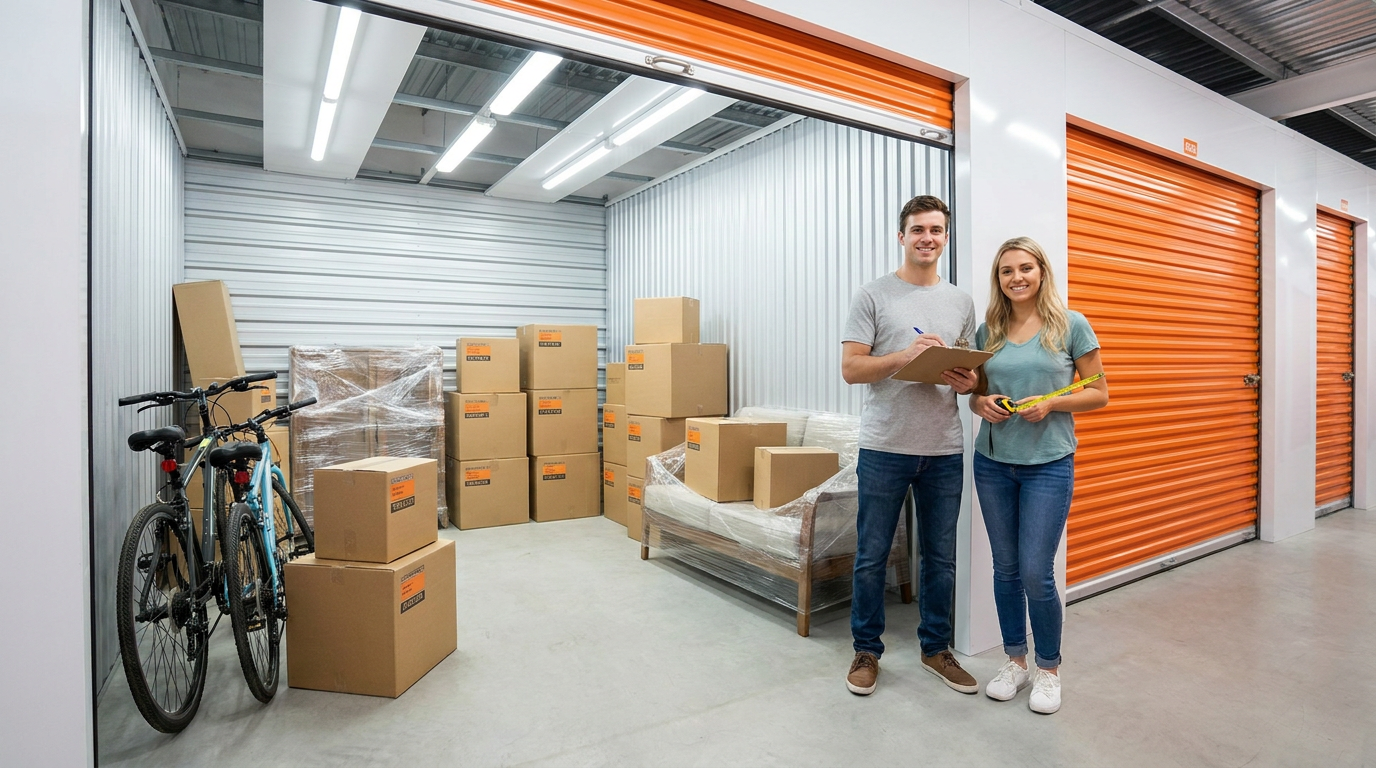
- Choose a smaller unit: Measure your belongings before renting. A 5x10 at $60 monthly saves $720 annually versus a 10x10 at $120.
- Skip climate control if possible: Save 10% to 25% by using standard units for durable items.
- Look outside city centers: Facilities 10 to 15 minutes from downtown areas often cost 15% to 30% less.
- Rent during shoulder seasons: Avoid peak moving periods (May through September) when rates increase.
- Ask about long-term discounts: Some facilities offer 5% to 10% off for prepaying 6 to 12 months.
- Compare facilities: Prices vary significantly even within the same neighborhood.
- Avoid premium features you do not need: Ground-floor units, drive-up access, and 24/7 access may carry surcharges.
Month-to-month leases provide flexibility without premium pricing at most facilities. You can move out with 30 days notice, avoiding penalties if your storage needs change.
Is Paying for Storage Worth It?
Storage makes financial sense when the items you are storing cost more to replace than the total storage fees. Calculate your break-even point: if storing $5,000 worth of furniture costs $150 monthly, you break even at 33 months. Most household goods depreciate faster than that timeline.
Storage is worth the cost in these scenarios:
- Temporary transitions: Moving between homes, renovations lasting 2 to 6 months
- Seasonal items: Ski gear, holiday decorations, patio furniture (4 to 6 months annually)
- Business inventory: Seasonal merchandise, equipment between jobs, document archives
- High-value items: Antiques, collectibles, or sentimental items difficult to replace
- Space constraints: When renting a larger home costs more than current rent plus storage
Storage becomes a money pit when you pay to store items worth less than annual storage costs, or when you forget what you have stored. Review your unit contents every 6 to 12 months and sell or donate items you no longer need.
Understanding Storage Unit Fees Beyond Monthly Rent
Monthly rent is your primary cost, but additional fees can increase your total expense by 5% to 15%. Understanding these charges helps you budget accurately and avoid surprises.
Common Storage Fees
- Administrative or setup fees: $15 to $30 one-time charge at move-in
- Security deposit: $0 to $50, often refundable (many facilities waive this)
- Insurance or tenant protection: $10 to $25 monthly for coverage ranging from $2,000 to $10,000
- Late payment fees: $15 to $50 if payment is more than 5 to 10 days overdue
- Lock purchase: $10 to $20 if you need to buy one on-site
Tenant protection plans cover your belongings against theft, fire, water damage, and other perils. While optional at most facilities, your homeowners or renters insurance may not cover items in off-site storage. Review your existing policy before declining coverage. Our tenant protection plans offer coverage options starting at $10 monthly.
How to Choose the Right Storage Facility
Price matters, but the cheapest option is not always the best value. Security features, access hours, and location convenience affect your overall experience. Visit facilities in person before signing a lease.
Facility Evaluation Checklist
- Security: Look for gated access, video surveillance, individual unit alarms, and good lighting
- Access hours: 24/7 access provides flexibility; limited hours may not fit your schedule
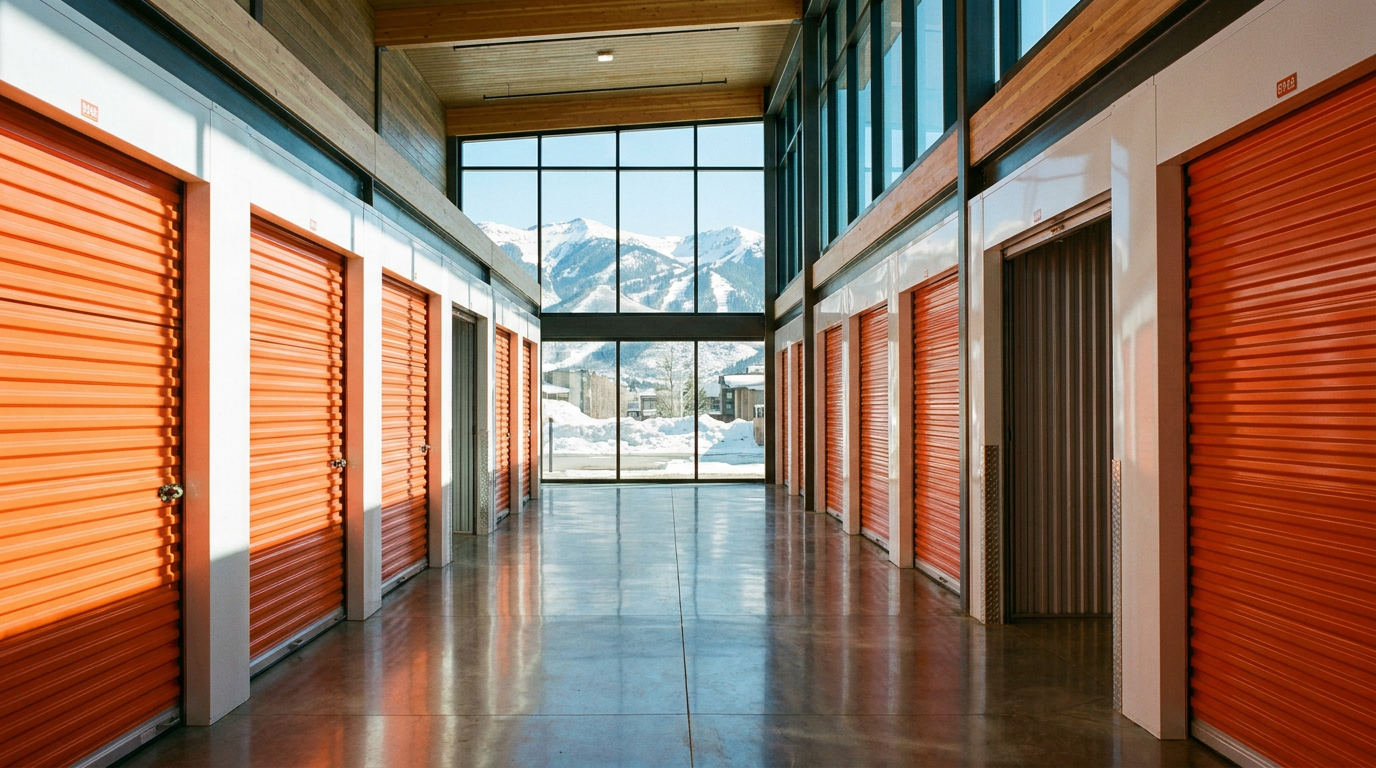
- Drive-up vs. interior: Drive-up units simplify loading heavy items; interior units offer better climate protection
- Cleanliness: Well-maintained facilities indicate professional management
- Pest control: Ask about pest prevention measures, especially for long-term storage
- Online management: Facilities with online payment and account access save time
- Reviews: Check Google, Yelp, and Facebook for customer experiences
For a smooth rental experience, many facilities now offer online storage reservations with instant confirmation and same-day move-in availability.
Frequently Asked Questions About Storage Unit Costs
How much is a storage unit per month near me?
Storage unit prices near you depend on your local market. Use online comparison tools to check rates at 3 to 5 facilities within your area. In the Roaring Fork Valley, expect to pay $135 to $925 monthly for indoor storage and $275 to $355 for vehicle parking spaces, with rates varying by unit size and features.
How big is a 5x10 storage unit?
A 5x10 storage unit provides 50 square feet of floor space, roughly the size of a walk-in closet. With standard 8-foot ceilings, you get 400 cubic feet of storage volume. This size holds the contents of a studio apartment: a twin or full mattress set, small dresser, several boxes, and seasonal items.
How big is a 10x20 storage unit?
A 10x20 storage unit offers 200 square feet, equivalent to a one-car garage. This size accommodates the contents of a three-bedroom house, including large furniture, appliances, and 50 or more boxes. It also works well for vehicle storage, fitting most cars, motorcycles, and small boats.
How much does it cost to build 100 storage units?
Building 100 storage units costs between $1.5 million and $4 million depending on location, construction type, and amenities. Single-story drive-up facilities cost $25 to $45 per square foot to build, while multi-story climate-controlled buildings run $45 to $70 per square foot. Land acquisition adds significantly to total project costs in high-value markets.
Are month-to-month storage units more expensive than long-term contracts?
Month-to-month storage typically costs the same as contracted storage at most facilities. Some operators offer 5% to 10% discounts for prepaying 6 to 12 months upfront, but this is not universal. The flexibility of month-to-month leases usually outweighs small potential savings from long-term commitments.
Why are storage unit prices higher in mountain resort areas?
Mountain resort communities face limited commercial land availability, high construction costs, and strong seasonal demand. In areas like Aspen and Snowmass Village, real estate values drive up operating costs for storage facilities. Choosing locations just outside resort centers, such as Old Snowmass or Basalt, typically offers 15% to 30% savings while maintaining reasonable access.
What is the average cost of a storage unit in Colorado?
Colorado storage units average $90 to $180 monthly for a 10x10 unit, varying by region. Denver metro area rates fall in the middle of this range, while mountain resort communities like Aspen, Vail, and Steamboat Springs trend higher. Front Range suburbs and rural areas offer the lowest rates in the state.
Storage Options in the Roaring Fork Valley
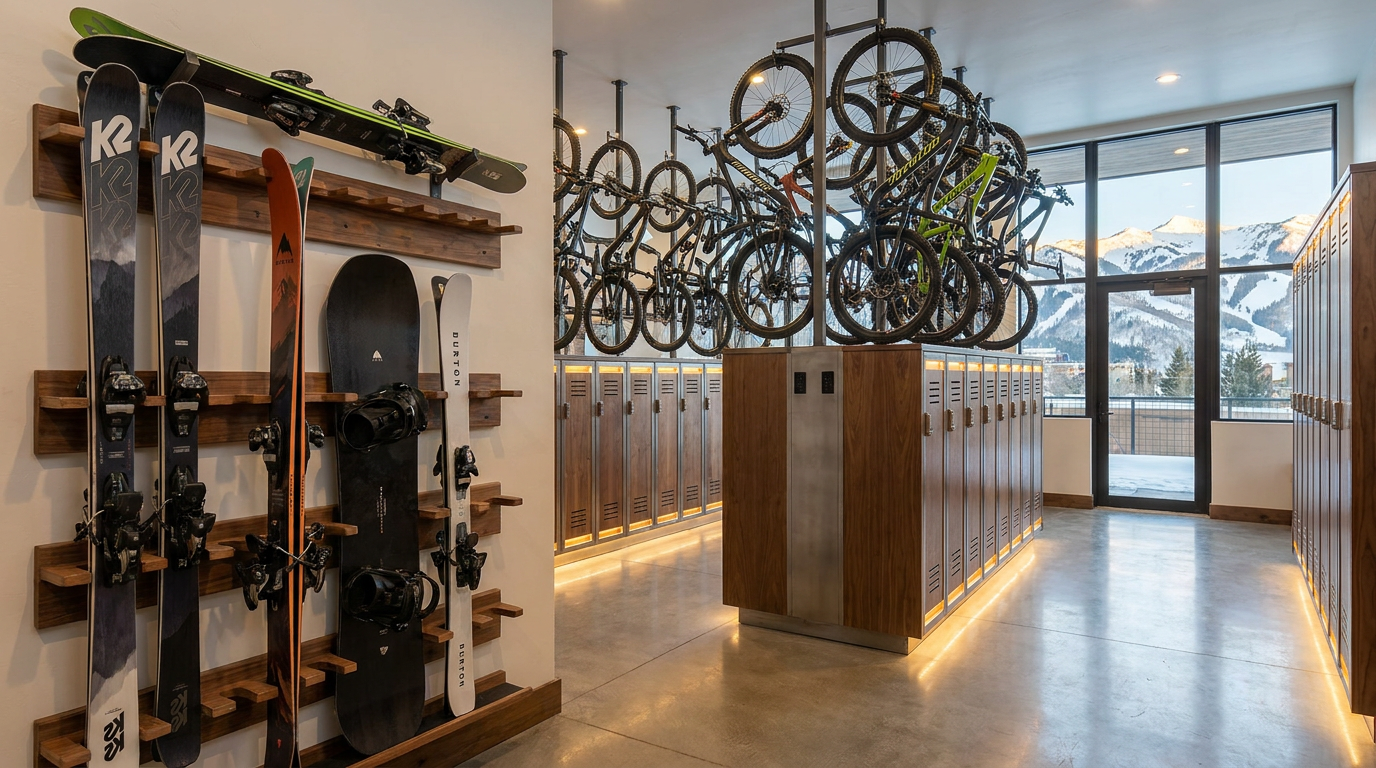
Residents of Aspen, Snowmass Village, Basalt, Carbondale, and Glenwood Springs have several storage options to consider. Facilities range from compact lockers for ski gear and seasonal items to large drive-up units for household contents and business inventory.
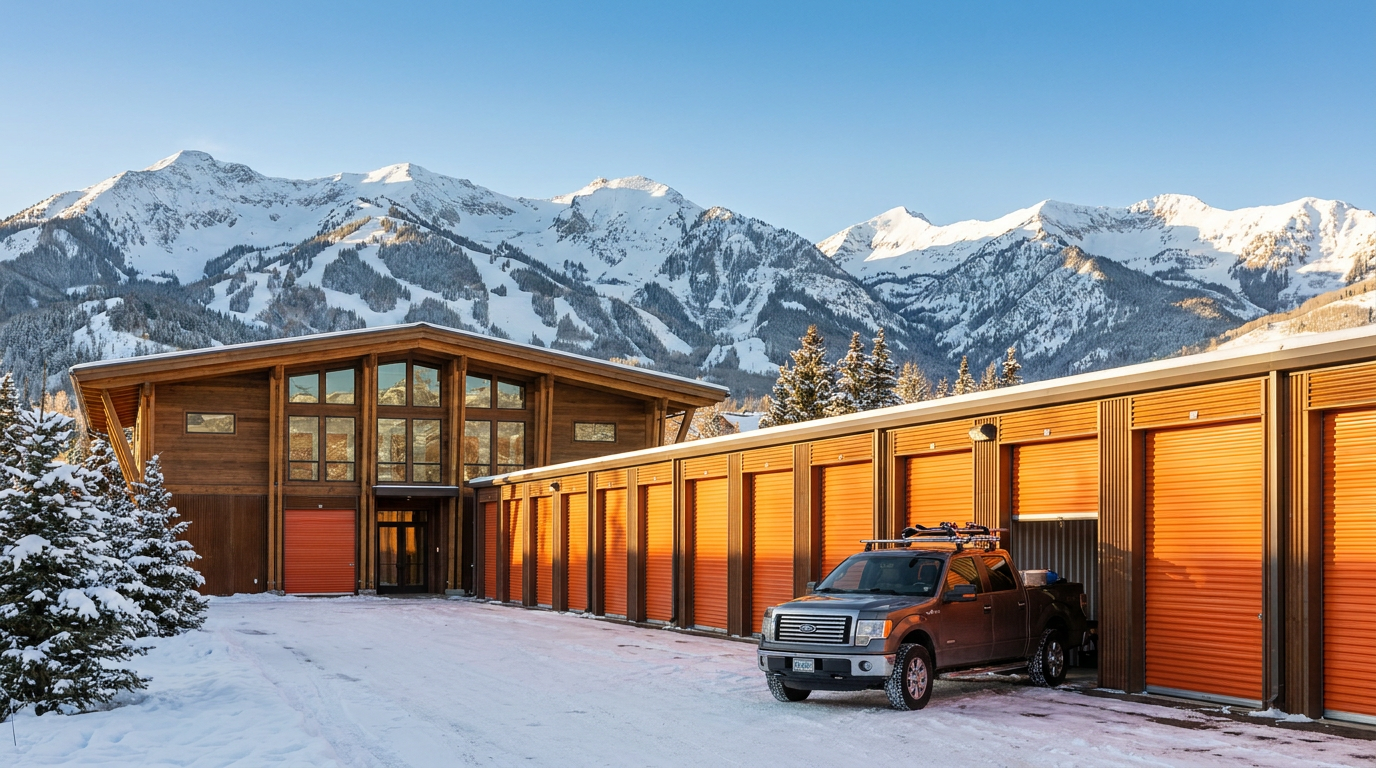
Snowmass Self Storage, located at 26870 Highway 82 in Old Snowmass, offers units from 6x5 lockers starting at $135 monthly to 19x35 drive-up units with power and motorized doors. The facility provides 24/7 access, digital video surveillance, and month-to-month rentals with no deposit required. Vehicle and RV parking spaces with electrical hookups are available from $275 to $355 monthly.
For questions about unit availability, sizing recommendations, or pricing, contact our team by phone at (970) 618-6301 or email. Spanish-speaking staff are available to assist.
|